
The rules on this page come from Austria's own legal texts, the Interior Ministry, the government's migration portal and the EU Court of Justice, read on 13 September 2026.
Is Austria citizenship by investment available?
Austria has no citizenship-by-investment program. Its exceptional merit route is section 10(6) of the Citizenship Act. Each file argues one point: the person's extraordinary achievements, past and still expected, put their citizenship in the Republic's special interest. 2, 1
The decision belongs to the Federal Government alone. The Interior Ministry names it as the only body with that power. The ministry's criteria help the government weigh each case and stay consistent over time. The page traces this approach to a Council of Ministers decision of 25 February 2014. 3
What does the exceptional merit route require?
The ministry defines extraordinary in plain terms. The achievements must be far above the average in their field today. The grant must also serve the Republic's special interest to a special degree. The criteria give examples from four fields: science, the economy, sport and the arts. A case from another field counts too, with criteria of equal weight. 3
| Field | The achievement | The tie to Austria |
|---|---|---|
| Science | Work in unexplored fields, or work that moves a field forward. A high international reputation. Publications in Austria and abroad. Active, recognized research work. | Work based mainly in Austria, or done abroad mainly for Austria or its research institutions. Transferring knowledge gained abroad back to Austria, for example to students and other researchers. Teaching at Austrian universities. |
| Economy | Ownership of a company, or a leading role with decisive influence in one. A board seat alone falls short. High economic performance by the company. A company known abroad as well. | Jobs created or secured in Austria, especially in regions with weak economies. Major investments in Austria, above all ones already made, or projects carried out there. Mere money flows fall short. Support for Austria's bilateral and multilateral relations. |
| Sport | A level of performance unmatched by any available Austrian athlete, youth ranks included. A career expected to continue. Very strong results at national or international competitions. | That level already shown in Austria for at least a year. The intention and legal right to compete for an Austrian national team straight away. |
| Arts | Outstanding individual work that draws audiences. Developing an original technique, reviving an old artistic technique in new use, or shaping a new, modern art form. | Individual artistic work that makes a major contribution to artistic life in Austria. Substantial teaching at Austrian universities and colleges. Raising Austria's artistic reputation abroad. |
The ministry gives these criteria as examples, and other fields stay open. The page is undated and was read on 13 September 2026.
Past and future both count. Section 10(6) names two kinds of achievement: those already made and those still expected. A strong record answers the first half of that test. The second half asks what the person will go on doing for Austria. 1
The exception switches off three conditions and leaves the rest in force. The Act marks section 10(6) as a constitutional provision. It waives the residence condition: at least 10 years of lawful, unbroken residence, 5 of them settled. It also waives the secured-livelihood condition and the section 10(3) duty to give up a prior nationality. The provincial government checks the rest of section 10(1) and all of section 10(2) first. 1, 2
Table view: Section 10(6) waives 3 conditions and keeps 6 in force
| Item | Value (conditions) | Share |
|---|---|---|
| Still required | 6 conditions | 67% |
| Waived by section 10(6) | 3 conditions | 33% |
The three waived conditions are the ten-year residence clock, the livelihood test and the section 10(3) duty to give up a prior nationality. The exception puts no payment in their place. The six still required include checks on criminal convictions, pending prosecutions, public order and relations with other states. Source: 1, 2
Does a money transfer alone meet the economic criteria?
The Interior Ministry answers in its own words. Its economic criteria ask for major investments or projects in Austria, above all ones already carried out. Then comes the line. 3
Read the line beside its neighbors. The same list asks who owns or runs the company and how well it performs. It asks which jobs the company creates or secures in Austria, and how well known it is abroad. 3 Each of those describes a working business with a record. A transfer into an Austrian account, however large, answers none of them.
Judge an Austrian company on the business alone. The deal has to stand on price, running costs, financing and your permit to work in Austria. A purchase that only works with citizenship attached is a bet against the ministry's own criteria.
How does a section 10(6) case reach a decision?
A section 10(6) case moves between Austria's provincial and federal governments in a fixed order. The ordinance sets out each stage. The file starts with the provincial government, goes up to the Federal Government and comes back again. 2
The province checks the ordinary conditions
The application comes with a reasoned case and evidence. The provincial government first confirms the other conditions: section 10(1) points 2 to 6 and 8, and all of section 10(2). 2 Then it sends an organized, indexed copy of the file to the Interior Minister, as soon as it can.
The Interior Minister sends out the evidence
The minister sends the application and its evidence to the minister or ministers for the field. If the applicant's main home is outside Austria, the Foreign Ministry gets the file too. 2
Each minister writes an opinion
Each minister on the case writes a reasoned opinion. It must say whether they support the grant. They can also ask experts in the field for their view. 2
The Interior Minister recommends
With the opinions in, the Interior Minister readies the file for decision. The minister then writes a reasoned recommendation for the Federal Government. 2
The Federal Government decides
The Federal Government decides the prepared cases in batches. It does so regularly, and at least once every calendar half-year. Each case ends in a grant or a refusal of the confirmation. 2
The decision returns to the province
The Interior Minister sends the decision straight to the provincial government. The provincial government then issues its final decision on the application. It sends a copy back to the Interior Minister. 2
How much does Austria citizenship cost?
Price an Austrian plan by its working parts. The texts behind section 10(6) state no investment amount. 1, 3 So the budget is built line by line. Start with legal work, certified translations, civil records and any government charges for the citizenship grant. A company adds valuation, deal advice and the capital the business needs to run. Ask for each line as a written figure.
| Route or item | What it grants | Time rule | Money in the official text (EUR) | USD at 1.1592 per euro |
|---|---|---|---|---|
| Ordinary naturalization, section 10(1) | Citizenship | At least 10 years of lawful, unbroken residence, 5 of them settled | No investment amount. A secured livelihood is 1 of 8 conditions. | - |
| Exceptional merit, section 10(6) | Citizenship | Residence condition waived | No investment amount. Mere money flows fall short. | - |
| Red-White-Red Card, capital test | Residence for approved self-employed work | Card issued for 24 months | 100,000 minimum capital transfer, 1 of 4 alternative tests | 115,920 |
| Red-White-Red Card, application fee | - | - | 218 | 252.71 |
Dollar figures use the European Central Bank reference rate of USD 1.1592 per euro, published on 11 September 2026. Legal fees, translations, certified records, relocation and any government charges for citizenship sit outside this table.
MMT's guide to the real cost of citizenship by investment separates government fees, deal costs and business capital. The same split works for an Austrian plan.
What is the Red-White-Red Card residence alternative?
Austria does publish a capital figure, on a residence card. The Red-White-Red Card for Self-employed Key Workers skips the points system. It asks instead for a benefit to the Austrian economy as a whole. The government's migration portal lists four ways to show it. 4
- A sustained transfer of investment capital to Austria of at least €100,000 4
- Creating or securing jobs in Austria
- Transferring know-how or introducing new technology
- A business of considerable significance to its region
Capital is one of four ways to qualify. The card is issued for 24 months. It gives fixed-term settlement and the right to do the approved self-employed work. After a completed two-year settlement period, a three-year settlement permit becomes available. The application fee is €218. Residence, setting up the business and a family move cost extra. 4
A founder planning a company in Vienna can set these four tests beside the business plan. 4 For how residence routes work more broadly, start with MMT's residency guides.
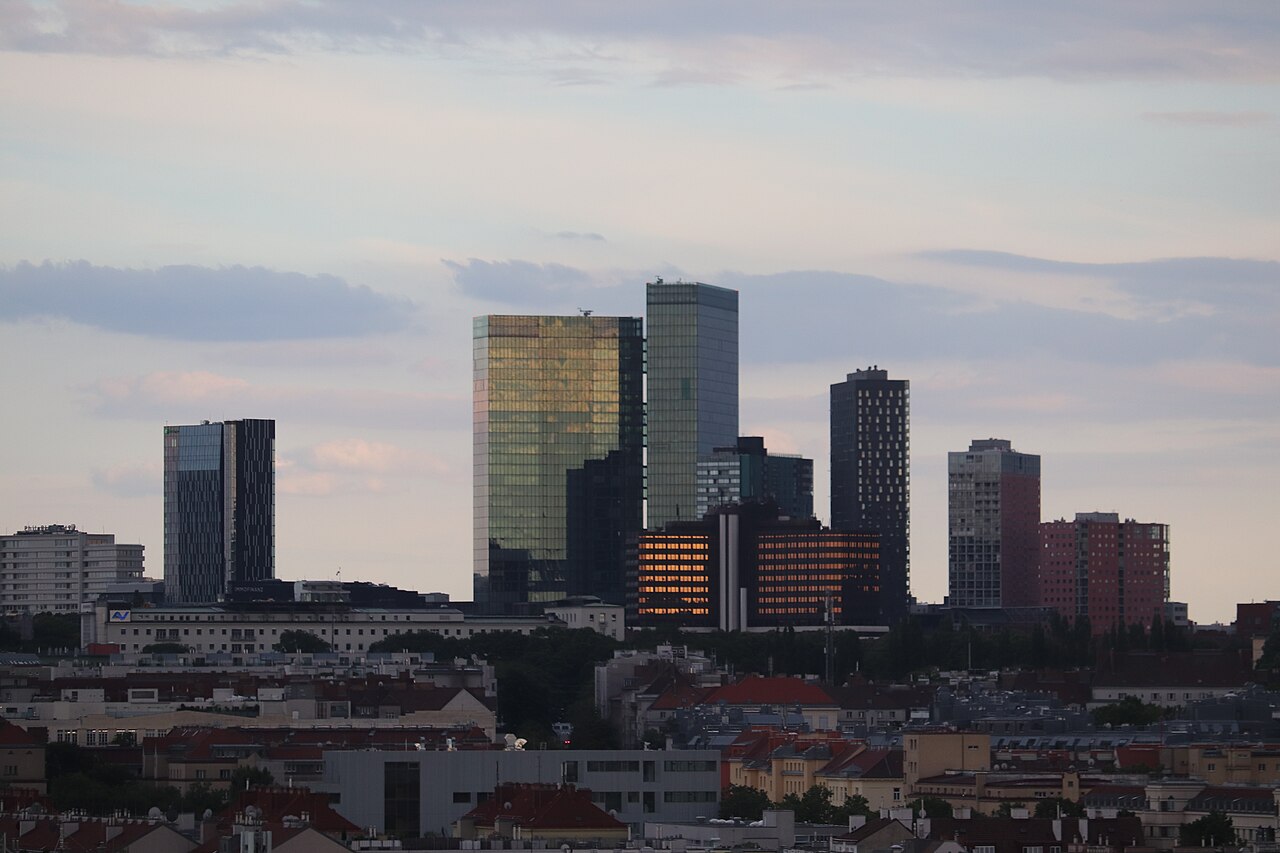
What if you want to spend time in Austria?
Start with the calendar. Write down the months you want in Austria, where you will live and whether you will earn money there. A ski winter in Innsbruck and a working year in Vienna raise different permission questions. The passport you already hold shapes every answer.
- How many months a year you plan to spend in Austria
- Whether you will work there, for an employer or on your own account
- Which passport you travel on, and any rights it already gives you in Austria
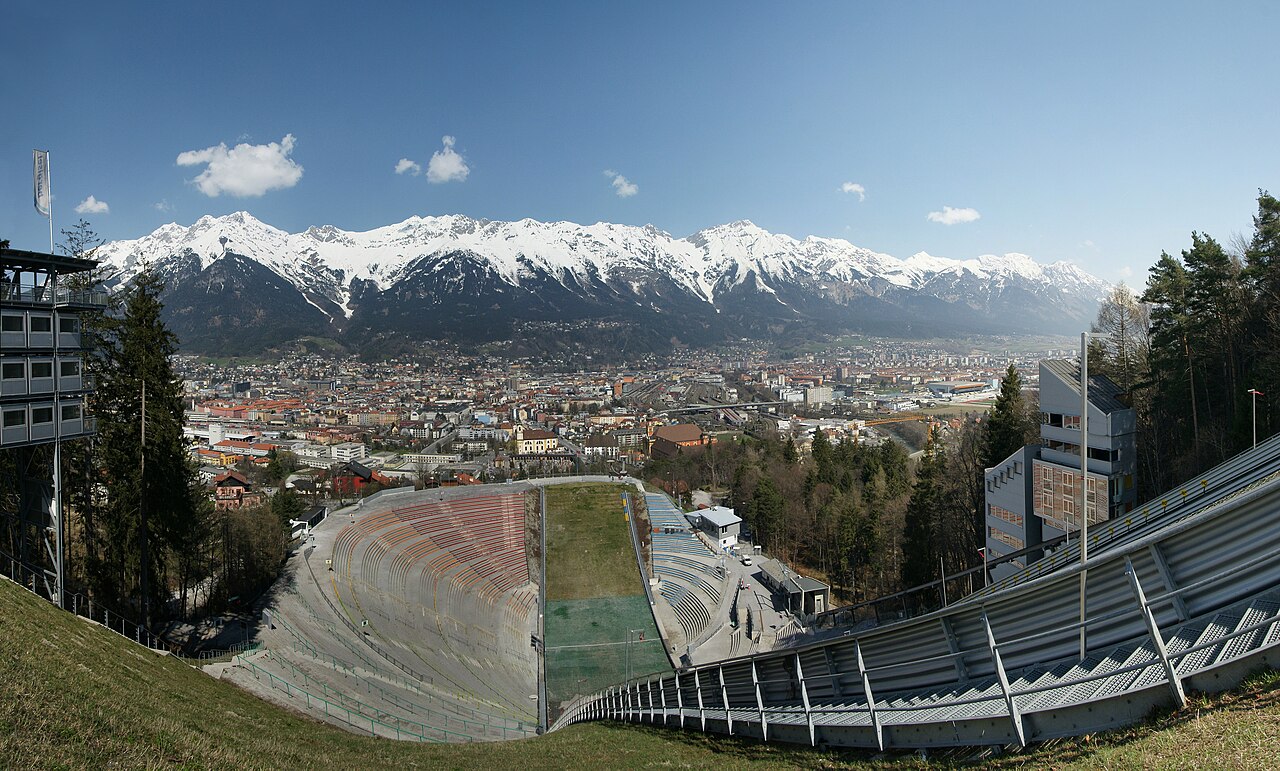
A holiday flat or a season of skiing is a personal purchase. The ministry's economic criteria for section 10(6) look at a company's investments and projects in Austria. 3 For the place itself, from Vienna and Salzburg to the Alpine routes, start with MMT's Austria travel guide.
How does Austria compare to published citizenship programs?
Published programs start from an amount; section 10(6) starts from a person's record. MMT's guide to citizenship by investment countries sets the published minimums side by side. Section 10(6) works from criteria and sends each case to the ministers for the field. The decision stays with the Federal Government. 3, 2
The ruling is about Malta's scheme. 6 Section 10(6) is Austrian law, and its test is achievement in the Republic's special interest. 1 Whether the Court's reasoning reaches an Austrian case is a legal judgment. Ask for it as a written legal opinion, and treat every adviser's view on the ruling as an opinion. Malta's own story is on MMT's Malta citizenship page.
What happens to your existing citizenship and tax status?
On the ordinary route, Austria expects you to give up your old nationality. Section 10(3) bars a grant to someone who deliberately arranges to keep another nationality. It also bars someone who skips the steps to leave that nationality when those steps are possible and reasonable. 1
Section 10(6) lifts that requirement. Once the Federal Government confirms the special interest, the renunciation rule falls away. So do the residence and livelihood conditions. 1 Your current country applies its own nationality law. Check what it says about a second citizenship before you file anything or give anything up.
Tax is a separate question. Citizenship, residence permits and tax residence each follow their own rules, in Austria and in the country you leave. Take these to a tax adviser:
- The months you plan to spend in each country
- Where you will live
- Your roles in any company
- Every source of income
Before that first meeting, read MMT's guide to citizenship, residency and tax residency.
Frequently asked questions
Can an award or honorary title earn Austrian citizenship?
The Interior Ministry says a person is never naturalized as an honor under section 10(6). A decoration alone falls short of the Republic's special interest. The grant rests on achievements already made and still expected. 3
Can an agent or adviser guarantee approval?
No. Only the Federal Government can confirm the special interest, the ministry says, acting on the Interior Minister's recommendation and the opinions of the ministers for the field. Section 10 of the Citizenship Act, its ordinance and the ministry's page name no licensed agents or promoters for this route. 3, 2, 1
Do I have to live in Austria to apply under section 10(6)?
Section 10(6) waives the residence condition. If the applicant's main home is outside Austria, the Foreign Ministry also assesses the case. The criteria still look for ties to Austria in each field. Science looks for work mainly in or for Austria. The economy looks for jobs and investment there, the arts for a contribution to artistic life in Austria. For an athlete, the ministry asks whether that level has been shown in Austria for at least a year. 1, 2, 3
What happens if the Federal Government refuses the confirmation?
A refusal leaves the three conditions in force. They are at least 10 years of lawful residence with 5 settled, a secured livelihood and the renunciation rule. The Interior Minister sends the refusal to the provincial government. That government then issues the final decision on the application. 1, 2
Can I take a salaried job on the self-employed Red-White-Red Card?
The card covers the approved self-employed work. To take a salaried job, you switch to another Red-White-Red Card category. The migration portal calls this a change of purpose (Zweckwechsel). You then meet that category's own points and job-offer rules. 4
Does the Red-White-Red Card lead to Austrian citizenship?
Not directly. The card is a residence permit: it runs 24 months, and after a completed two-year settlement period a three-year settlement permit becomes available. 4 Ordinary citizenship asks for at least 10 years of lawful, unbroken residence in Austria, 5 of them settled, and the other conditions in section 10(1). 1
Did Austria's citizenship law change in 2026?
Yes. The Act's latest amendment appeared in Federal Law Gazette I, number 39/2026, and the version in force from 12 June 2026 was still current on 13 September 2026. That version of section 10(6) names no investment amount. 1
Sources & review date
Researched 2026-09-13. Prepared from primary sources, with a separate independent source review. Numbered notes in the text point to the sources below. Prices, entry rules and schedules change; use the linked authority for your dates.
- 1Staatsbürgerschaftsgesetz 1985, consolidated text, version of 13 September 2026 Rechtsinformationssystem des Bundes (RIS), Austrian Federal Chancellery · Accessed 2026-09-13 · Primary source
- 2Verordnung der Bundesregierung über das Verfahren zur Erlangung einer Bestätigung gemäß § 10 Abs. 6 StbG, consolidated text Rechtsinformationssystem des Bundes (RIS), Austrian Federal Chancellery · Accessed 2026-09-13 · Primary source
- 3Verleihung der Staatsbürgerschaft im besonderen Interesse der Republik gem. § 10 Abs. 6 StbG Austrian Federal Ministry of the Interior · Accessed 2026-09-13 · Primary source
- 4Self-employed Key Workers Austrian Federal Government, migration.gv.at · Accessed 2026-09-13 · Primary source
- 5Euro foreign exchange reference rates, 11 September 2026 European Central Bank · Accessed 2026-09-13 · Primary source
- 6Press Release No 52/25: Judgment in Case C-181/23, Commission v Malta Court of Justice of the European Union · Accessed 2026-09-13 · Primary source