Italy travel guide
A first Italy trip by rail, with room for museum mornings, workshop streets and a slower stay in Umbria.
- Choose two cities for a week, or allow ten nights for Rome, Florence and Venice.
- Use Roma Termini, Firenze Santa Maria Novella and Venezia Santa Lucia as the starting station choices for the rail route. 1, 2
- Compare ticket coverage as well as price: advance booking costs extra at the Uffizi and saves money on the St Mark’s combination at least 30 days ahead. 3, 4
- Add three to five nights in one Umbrian base when you want a slower part of the trip.
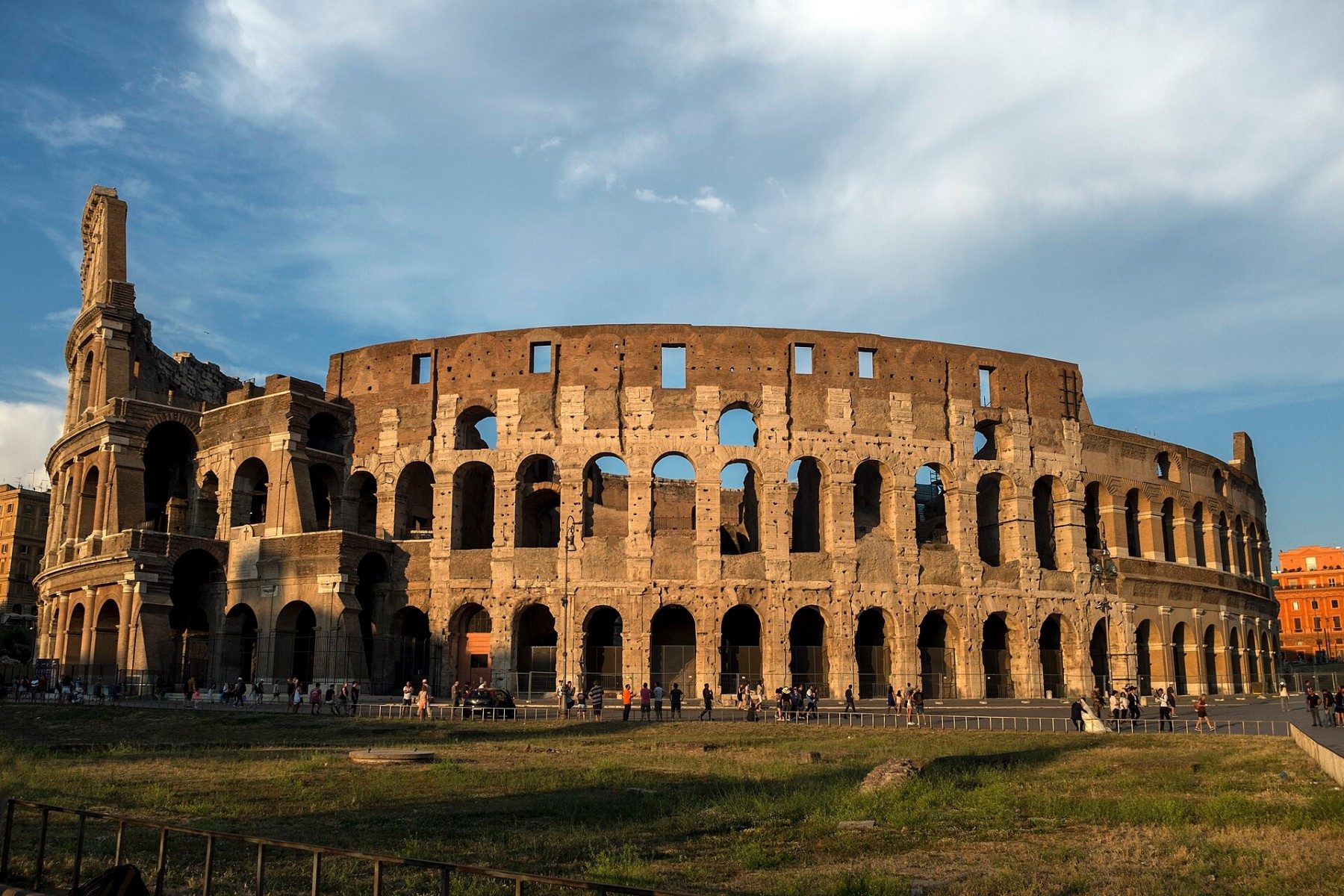
Plan Italy around a few good bases and you can spend a morning inside the Colosseum, give Florence a day for art and leave Venice time for the water. This guide turns that route into a workable trip: which stations to use, where to begin the room search and which tickets deserve an early decision.
Start with ten nights for Rome, Florence and Venice, or add four in Umbria between the first two cities. The itineraries are suggestions you can copy and adjust. Prices were checked on 27 September 2026 and stay in euros, so you can put them beside the live room and rail quotes for your dates.
The essentials, at a glance.
- Currency
- Euro, EUR. 5
- Trip length
- MMT suggestion: 10 nights for the three-city route.
- Entry
- Check each passport through Italy’s foreign ministry. 6
- Short stays
- Normally 90 days in any 180 across Schengen. 7
- Emergency
- 112, free of charge. 8
- Rome airport train
- Fiumicino to Roma Termini: EUR 14 adult single, checked 27 September 2026. 9
- Reservations
- Choose major admission slots before filling the rest of each day.
- Money planning
- Keep room price and local lodging tax on separate lines.
- Umbria gateway
- Assisi Link combines train and bus. 12
How many days do you need for Italy?
Start with ten nights for Rome, Florence and Venice. Our suggested split is four, three and three. It leaves two days for changing cities, with enough evenings to find a favourite dinner spot. With a week, choose two cities. With a fortnight, put four nights in Umbria between Rome and Florence and keep the final Venice stay intact.
This guide follows that first-trip route, with a slower inland option. Rome supplies the ancient sites, Florence the museum and workshop days, and Venice a change of pace on the water. High-speed trains connect the three cities; Umbria adds regional trains and a final bus or funicular ride into town. 1, 2, 12
| Time available | Suggested nights | Main trade-off |
|---|---|---|
| 7 nights | Rome 4; Florence 3 | Save Venice for another trip |
| 10 nights | Rome 4; Florence 3; Venice 3 | Two intercity moves |
| 14 nights | Rome 4; Assisi 4; Florence 3; Venice 3 | Add regional connections |
Night counts are editorial suggestions, not tour packages or minimum stays.
Count the first night as recovery time if you arrive after a long flight. A three-night stay then gives you two full days, which is a useful unit for planning. Write the arrival and departure hours beside each hotel booking. That makes a late check-in followed by an early train visible before it consumes a stop.
Compare a flight into Rome and home from Venice with a return flight to Rome. Price the extra rail leg and any last hotel night as well as the airfare. The through route earns its place when it buys a whole day. A cheaper return flight can still work if you reserve a final Rome night and treat it as part of the trip.
Choose a single priority for each stop before adding day trips. A museum day, a rowing lesson and a cycling outing all need room around them. Save the plan in the , including the activities you would happily drop. That second list makes a wet afternoon or a slow morning much easier to handle.
Do you need a visa or ETIAS for Italy?
Check entry rules for each passport before paying for the route. Start with the Italian foreign ministry and its Visa for Italy portal. Your nationality, residence, purpose and length of stay determine the relevant route. For stays longer than 90 days, the ministry describes a national visa category. A long holiday and permission to live or work in Italy need separate planning. 6
The normal Schengen short-stay limit is 90 days in any rolling 180-day period across the area. Previous time in other Schengen countries counts toward that allowance. Use the European Commission calculator with actual entry and exit dates, especially when Italy follows another European trip. 7, 6
On 27 September 2026, the Commission described EES as fully operational since 10 April. It records entry and exit information for affected non-EU short-stay visitors, including biometric data. EU citizens and several other categories are exempt. Follow the lane and document instructions that apply to your status at the border. 13
ETIAS is a separate travel-authorisation system. The Commission page checked on 27 September 2026 still scheduled its start for the last quarter of 2026, with the precise date to be announced. For travel near that change, check the official status again before departure. 14
- Keep passport details, the first lodging address and onward travel information together in a secure travel folder. Carry documents where you can reach them without emptying a bag in a queue.
- For a family or mixed-nationality group, make one document checklist per traveller. A shared booking does not make everyone’s entry conditions the same.
- Set a reminder before the first cancellation deadline to revisit passport and visa requirements. Resolve an uncertain document requirement while your bookings still allow changes.
Your first arrival: Fiumicino to a Rome base
Make Roma Termini your first rail landmark. On 27 September 2026, Trenitalia listed the nonstop Leonardo Express from Fiumicino Airport to Roma Termini at EUR 14 one way, taking 32 minutes, with departures scheduled every 15 minutes. Luggage is included without a surcharge. Rome’s integrated Metrebus tickets exclude this airport train. 9
Before landing
Save the lodging address, check-in instructions and route from Termini. Keep a screenshot of the address as well as a map pin. If the arrival is late, settle the check-in arrangement before you fly; avoid making your first evening depend on finding someone at an unstaffed door.
Clear arrival formalities
Complete the border process that applies to your journey, collect checked bags and pass through customs. Then pause to check your phone, wallet and onward ticket. Use the airport signs for the railway station, which Trenitalia places inside Fiumicino Airport. 9
Choose the airport train
Select Leonardo Express to Roma Termini and check the departure shown on your ticket. Keep it available for inspection. Once at Termini, move out of the main passenger flow before checking the final route to your accommodation.
Finish the last leg
For a Termini-area stay, map the actual street entrance. For Monti, decide in advance whether the walk with your bags suits you. For a more distant address, choose the local transit route or official taxi rank before leaving the station. Keep the first evening close to your room.
Set up tomorrow
Check the meeting point and entry time for the next day, charge your phone and unpack what you need for one outing. Leave the first timed museum visit for a rested morning. An easy dinner and an early night are a useful start to a trip with several city changes.
| Cost per SIM | EUR |
|---|---|
| 30-day plan | 14.99 |
| SIM card | 10.00 |
| Activation | 0.00 |
| Upfront total | 24.99 |
TIM Tourist: new customers only. The 30-day plan includes 200GB in Italy, with 23GB usable in the EU, and domestic calls. The upfront total adds the plan and SIM with free activation. Base offer only; check extras and post-offer charges before purchase. Confirm international call minutes because TIM’s page gives conflicting allowances. Taxes are not separately itemised. Prices are in euros; no exchange conversion. 15
Compare that total with your existing roaming allowance. Check handset compatibility and the documents required for activation before choosing a SIM. Keep your home number available if your bank uses it for security messages. Download maps while connected, and test the ticket you will need tomorrow before leaving reliable internet access.
How do Italian train tickets work?
Search station names as carefully as departure times. For this route, start with Roma Termini, Firenze Santa Maria Novella and Venezia Santa Lucia. Italo’s route pages cover the Rome to Florence and Florence to Venice links. Review the exact station pair in the result before paying; city-level search results can include other stations. 1, 2
Compare the ticket’s change and refund terms with the saving from its cheapest option. A fixed departure between two confirmed hotel stays is a better place to accept restrictions than a train straight after a flight. Save the train number, coach and seat with the ticket. Check the platform board for that train number, since its final destination can be beyond your stop.
Regional tickets need a different check. Trenitalia’s paper regional tickets require validation before departure. Digital Regional Tickets activate automatically at the booked departure time and require display on a device with the dynamic green bar; carry matching identification. Electronic Regional Tickets are another format with their own conditions. Read the type printed on your ticket. 16
- Before purchase: compare the station pair, date, passenger names and fare rules. A result that looks almost right is worth opening again.
- Before boarding: allow time to find the platform and store bags. Keep your valuables with you and your ticket within reach.
- Before a rural outing: save both directions and a later return option. Check the connection from the station into town as a separate part of the journey.
For Umbria, search the whole journey before choosing the hotel. Assisi Link combines train and bus; Orvieto Link combines train and funicular; Spoleto has a train, bus and mechanised route into the centre. These links make a car-free stay possible, but the last connection deserves as much attention as the intercity train. 12
Use a transfer morning for the transfer. A short rail ride still comes with packing, checkout, the trip to the station and another check-in. Put lunch and a gentle walk at the far end. If there is a museum you would regret missing, give it its own full day instead of putting it behind an arrival time.
Rome: choose a base, then group your days
Look at Monti or the Termini area first for this rail route. Monti and Esquilino connect the arrival side of Rome with major archaeological sights, including the Imperial Fora. Choose the Termini area when easy rail access matters most; consider Monti when you want the ancient-city part of the trip closer to your evening base. These are planning choices, so compare the actual address. 17
Test a room against two journeys: arrival with luggage and the return after dinner. Then read the details that affect sleep and access, including stairs, lift access, air conditioning for your dates and the side of the building the room faces. A lower nightly rate earns its place only after you have priced the last leg and accepted the extra effort.
For four nights, plan an arrival evening, an ancient-Rome day, a separate day for your next major interest and one flexible day. If the Vatican is a priority, give it that separate day and book through the relevant official institution. Avoid attaching it to the Colosseum simply because both sit high on your list.
The Colosseum’s standard full-price ticket was EUR 18 on 27 September 2026. It gives one timed Colosseum entry with 75 minutes inside, plus one Forum-Palatine entry within 24 hours before or after the Colosseum booking. Listed inclusions are the first and second levels, Colosseum Museum, Roman Forum and its museum, Palatine and ongoing exhibitions. Choose a separate ticket if you need arena or underground access. 18
Build that day around the entry slot. Put a meal break before or after the archaeological visit and keep the evening free of another deadline. Read the entry point on the ticket while you still have time to approach from the right side.
| Ticket | EUR per adult | Validity |
|---|---|---|
| BIT | 1.50 | 100 minutes; metro restrictions apply |
| ROMA24H | 8.50 | 24 hours from first validation |
These are city transport tickets. Leonardo Express requires its own ticket. A BIT permits one metro journey under ATAC’s stated interchange conditions. 9, 19
Buy transit around your planned movements. A day of one outward journey and a long walk back differs from a day of several separate outings. Keep the airport journey outside that calculation. Review the current route and service notice before leaving your room, then decide whether a single ticket or a pass fits that day.
Florence: one gallery, then the workshop streets
Choose Santa Maria Novella for the rail end of the stay, or Santo Spirito for an Oltrarno base. Florence’s official tourism site places working artisan shops in Santo Spirito, San Frediano and San Niccolò, as well as near Ponte Vecchio and Santa Maria Novella. Let your preferred evening area help decide the room, then check the walk from Firenze Santa Maria Novella station. 20, 1
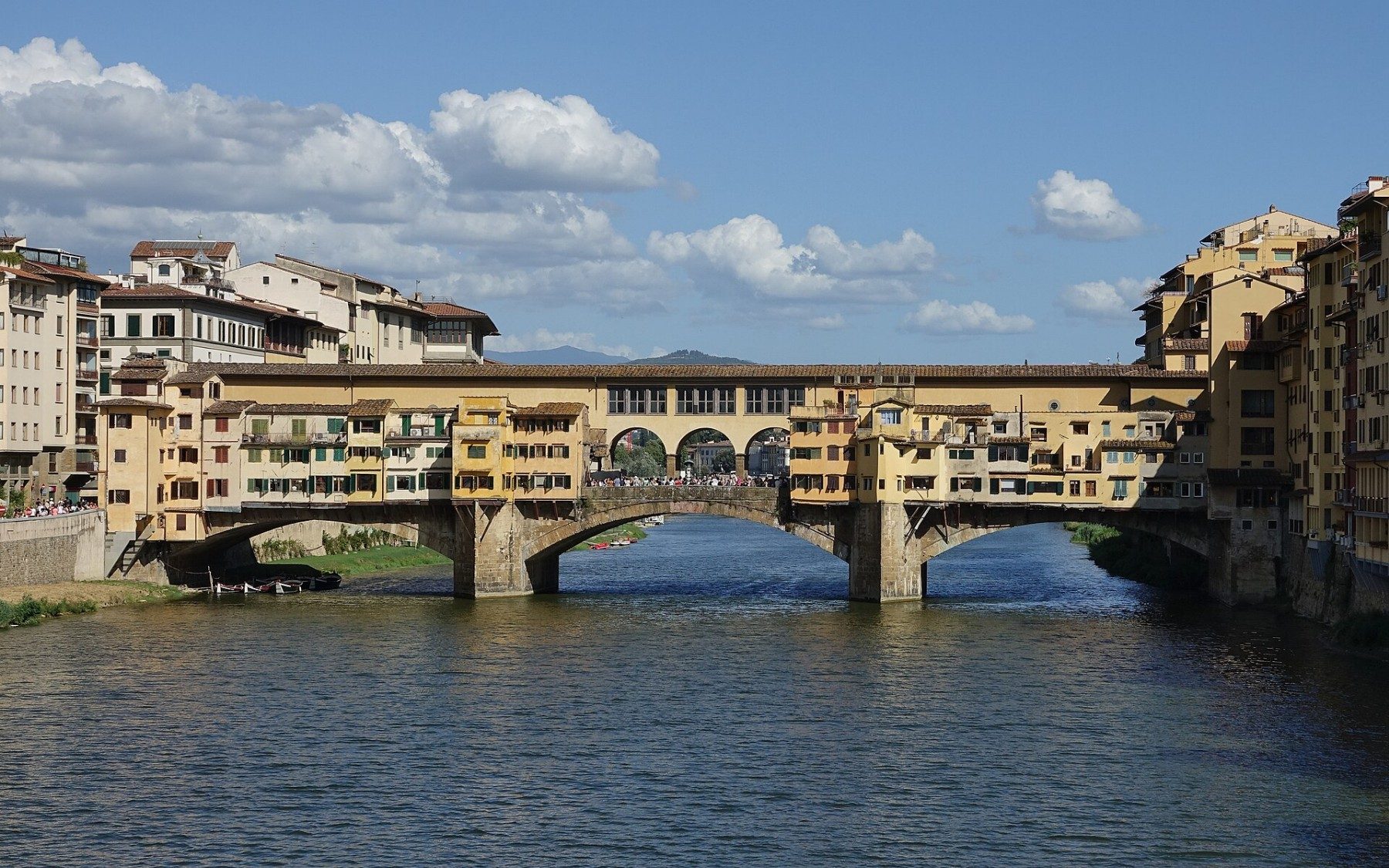
For three nights, reserve one gallery morning and leave the other full day more open. An Uffizi visit and a craft walk make two different ways to spend time with art. Keep a river walk or a meal between them. If you want several museums, add time to Florence before filling the day with more admission slots.
The Uffizi page checked on 27 September 2026 lists standard admission at EUR 25 when purchased on the day and EUR 29 before the entry date. Advance purchase adds EUR 4. That buys the ability to plan around a reservation; same-day purchase fits someone willing to let availability shape the day. The Vasari Corridor is a separate ticket choice. 3
Artex lists Walking in Craft routes with downloadable maps for walking or cycling through Florence’s artisan shops. Use the permanent route information, then check the opening of the workshops that interest you. The March 2026 festival programme on the same page has passed. 21
Choose a material you care about, such as leather, ceramics or metalwork, and make a short walk around that interest. Ask permission before taking photographs inside a workshop. If you buy an object, discuss who made it, its materials and how to carry or ship it. Leave time for a conversation instead of treating each shop as a stop to tick off.
Venice: stay long enough for an unhurried day
Use Venezia Santa Lucia as the rail arrival for a historic-city stay. For a practical first search, consider Cannaregio near the station and Ponte delle Guglie. Savorgnan Park is nearby, with benches and a children’s playground. That gives a family a specific place for a low-key break after dropping the bags. 22
Look at the path from your arrival stop to the lodging entrance before booking. Count the bridges and steps on that path, then decide how much luggage you want to carry. A waterbus stop near the room can matter more than a straight-line distance. For access needs, obtain a route description that covers the landing stage, street entrance and room, not just the lift.
Give the first evening to your own neighbourhood. Use the next full day for the St Mark’s area, then keep the second for a boat journey or a lesson. Resist making every trip across the water into another appointment. Three nights leave space for a return to somewhere you liked after the day’s main booking is over.
On 27 September 2026, the St Mark’s Square Museums ticket cost EUR 35, or EUR 30 online at least 30 days ahead. It includes the Doge’s Palace, Museo Correr, National Archaeological Museum, Monumental Rooms of the Marciana Library and the MUVE app audio guide. The basilica is outside that list. 4
| Group and date | EUR total |
|---|---|
| 2 people, standard rate | 100.00 |
| 1 to 4 people, holiday rate | 160.00 |
The classic lesson includes instruction in a traditional batela. The holiday rate applies on national and international holidays. People rowing or riding count toward the group; children under four are free and must be noted in the reservation. Taxes and other exclusions are not separately stated; confirm the final total before booking. Prices are in euros; no exchange conversion. 23
Choose the lesson because you want to learn the stroke and take part. Put a passive sightseeing journey elsewhere in the plan if that is the experience you want. Before paying, check the meeting point, cancellation terms and what happens in unsuitable weather. Keep enough time afterwards to dry off, change plans or have lunch without rushing to a museum.
When does a Venice day pass save money?
Count separate ticket windows, not boat boardings. On 27 September 2026, ACTV’s standard 75-minute Rete Unica ticket cost EUR 9.50; the purchased 24-hour Venezia Daily Pass cost EUR 25. Changes within a valid window can use the same ticket. 11
Table view: Venice: three separate ticket windows or one day pass
| Item | Value (EUR per adult) |
|---|---|
| Three 75-minute tickets | 28.50 EUR per adult |
| Purchased 24-hour Daily Pass | 25 EUR per adult |
Three separate tickets cost EUR 28.50; the pass saves EUR 3.50. The purchased pass also covers specified municipal regional trains. Source: 11
| Option for one adult | EUR total |
|---|---|
| Three separate 75-minute tickets | 28.50 |
| Purchased 24-hour Daily Pass | 25.00 |
Three distinct validity windows within 24 hours. Same eligible urban journeys; the pass also allows further travel within its coverage.
The purchased pass includes R/RV trains among Venezia Santa Lucia, Porto Marghera, Mestre, Carpenedo and Mestre Ospedale. Both products exclude airport journeys, Alilaguna, ACTV routes 16 and 19, and the Casino route. Validate at each boarding. 11
The contactless EUR 25 cap excludes Trenitalia. Buy the appropriate pass if your day includes those local trains; the payment method changes the coverage. 25
Two separate tickets total EUR 19, so the pass costs EUR 6 more for that plan. Mark your intended journeys first. Add the return to your room before deciding; extra rides taken only to justify a pass consume time as well as money.
What should you budget beyond the room price?
Build the total from bookings for your dates. Keep accommodation, long-distance rail, local transport and admissions on separate lines. Add local lodging taxes before comparing hotels. A nightly room quote and a per-person nightly tax use different units, so write the number of travellers beside each one. Use the travel money guides to work through payment choices alongside the route.
| Admission | EUR per adult | Purchase condition |
|---|---|---|
| Colosseum, Forum and Palatine | 18.00 | Timed Colosseum entry |
| Uffizi | 25.00 / 29.00 | Same day / advance |
| St Mark’s Square Museums | 35.00 / 30.00 | Standard / online 30+ days ahead |
Ticket coverage is described in the city sections. These are the operators’ listed products, excluding private tours and separately ticketed areas; reduced eligibility must be checked before purchase.
MMT arithmetic on the listed admission prices: One standard Colosseum ticket, one advance Uffizi ticket and one St Mark’s combination bought at least 30 days ahead total EUR 77 per adult. For two adults that is EUR 154. Add only the activities you intend to take; a package with more sites needs a second comparison against your actual plan.
| City | EUR per taxable adult per night | Chargeable stay |
|---|---|---|
| Rome | 7.50 | Up to 10 consecutive nights in same property |
| Florence | 7.00 | Up to 7 consecutive nights |
Examples for non-exempt guests, separate from room rates unless expressly included. Other accommodation categories have different rates. Local currency only; no exchange conversion.
Florence applies its tax to nonresident guests and exempts children under 12. Its listed rate for tourist rentals is EUR 6 per person per night. Check the lodging’s registered category and any exemption evidence before payment. For Rome, use the property category and current city rules rather than copying the four-star example to an apartment. 28, 27, 26
MMT tax arithmetic: for two non-exempt adults staying four nights in a four-star Rome hotel, the example tax is EUR 60. Three nights in a four-star Florence hotel add EUR 42. Together that is EUR 102, outside the room quote unless already included. Keep Venice’s actual property tax as its own line until you have the rate for the property and dates.
For meals, start with the menus of places near your planned stops and set your own allowance. Put a special dinner on its own line so it stays visible. Keep a reserve for one changed transfer or a lost booking. This gives you a trip total you can adjust by cutting a stop or changing a room, without relying on an average daily figure.
Eat by region, with time for the meal
Use the menu to make the region part of the trip. In Lazio, carbonara combines guanciale, pecorino, eggs and pepper; cacio e pepe, amatriciana and Roman-style artichokes offer other starting points. Order what appeals to you and check the actual ingredients with the kitchen when diet or allergies matter. 29
In Tuscany, look for ribollita or pappa al pomodoro, pici and bistecca alla fiorentina. They offer a useful way to compare a soup or pasta meal with a larger shared dish. Ask how the steak is priced and what weight you are ordering before committing. Keep the portion and total cost clear for everyone sharing. 30
In Venice, cicchetti are small bites whose size and ingredients vary by venue. Veneto’s food traditions also include bigoli, risi e bisi, baccalà and sarde in saor. Choose a few things you actually want to taste, then decide whether that is a snack or dinner for you. 31
Build meals around where the day ends. After a long museum visit, a nearby lunch with an easy route back to the room is a sound choice. On a transfer day, eat before you become dependent on whatever sits beside the next platform. Keep one meal unbooked so that a good walk or an interesting conversation can run longer.
- Read the whole price: note any stated cover or service charge, the unit for dishes priced by weight and whether a tasting menu is required for the whole table.
- For a dietary restriction, name the ingredient and ask about preparation. A familiar dish name is a starting point for the conversation, not a complete recipe.
- For a special dinner, save the cancellation terms and arrival time with the booking. Tell the restaurant about access or dietary needs while there is time to agree on a workable meal.
Italy uses the euro, and the national visitor site describes major cards and mobile payments as widely accepted. Tipping is optional. Read the bill before adding anything, then leave a tip if you want to recognise the service. Keep a second payment method available so a problem with one card stays a small inconvenience. 5
Where can you slow down after the big cities?
Give Umbria one base and three to five nights. For the fourteen-night route, choose four in Assisi between Rome and Florence. Orvieto is an alternative if its train-and-funicular arrival suits your dates better. Spoleto has a station-to-centre link too. Choose among those gateways after checking both the arrival connection and the day you leave. 12
For an Assisi stay, compare a room in the historic centre with one near Assisi railway station. The former makes the town the focus of the evening; the latter puts the train connection first. Assisi Link joins the station and historic centre by bus. Map that final leg, including your luggage, before deciding which room is better value. 12
Keep the first full day for your base. Walk a short route, settle into the room and choose a meal without watching the clock. Put the larger outing on the next day. A longer stay works best when some of its time stays local; adding a different town every morning simply recreates the city-change routine on a smaller scale.
For a cycling day, Umbria Tourism publishes the Spello to Assisi Via degli Ulivi loop: 23.5km with 310m of ascent and descent, graded easy for hybrid or mountain bikes. The route notes uneven road surfaces and calls for care near Assisi. Treat the grade as a route description and match it to your riding experience. 32
Make the ride a main activity, with room for collecting and returning bikes and for stops along the way. Check the surface and weather before setting out. If anyone in the group is unsure about the distance or traffic, choose a shorter ride or keep the day on foot. The adventure travel pages are a useful next step when an outdoor day becomes the focus of your planning.
| Private group | EUR total |
|---|---|
| 1 to 9 people, up to 2.5 hours | 120.00 |
The fee covers guiding only. Entrance tickets, museums, meals and transport are excluded. Holiday or special-request supplements are agreed separately in advance. Taxes are not separately disclosed; confirm availability, the route and final total before booking. Di Camillo’s site describes her as a licensed regional guide. Prices are in euros; no exchange conversion. 33
A car becomes worth considering when your chosen lodging and outings extend beyond the rail-and-bus plan. Price parking and the rental conditions before making that change. For the route here, begin with the public transport version and add a car only to solve a named journey. Keep the final Umbria night free of a distant excursion before moving to Florence.
Two Italy itineraries you can copy
Treat each transfer as part of the stay it starts. These are MMT route suggestions, built around the route options above. The ten-night version keeps the three cities; the fourteen-night version adds one Umbrian base. Reverse the order if your flights work better that way, then check museum days and transport before fixing the dates.
- 01Rome4 nights
Use arrival day for the room and a local meal. Set aside one full day for ancient Rome, one for your next major interest and one for an open choice. Keep the last evening simple so packing takes little time.
→ High-speed train: Roma Termini to Firenze Santa Maria Novella; check the exact departure. 1 - 02Florence3 nights
Choose an Uffizi morning and use another part of the stay for workshop streets. Leave time between the gallery and a meal so a slow visit feels welcome. If you want another major museum, make that the next morning’s plan.
→ High-speed train: Firenze Santa Maria Novella to Venezia Santa Lucia; verify station names. 2 - 03Venice3 nights
Drop the bags before your first walk. Give the St Mark’s visit its own day and use the other full day for a water journey or rowing lesson. Check the departure-airport transfer before the final evening, especially for an early flight.
→ Arrange the transfer to your booked departure airport.
With less time: With seven nights, keep Rome and Florence and remove Venice. If Venice is the reason for the trip, choose Rome and Venice instead and recheck that direct rail journey. Keep the number of hotels low enough that the last day in each place feels like a day there.
- 01Rome4 nights
Begin with the same arrival and city rhythm. Keep your long-distance travel separate from the first airport arrival. By the fourth night, decide what you want less of in the next stop: queues, early alarms or a full diary.
→ Search Roma Termini to Assisi and the onward Assisi Link bus; inspect changes. 12 - 02Assisi4 nights
Spend one full day in the base, one on a chosen outing and one with room to change your mind. A guide or a cycle ride can be the main booked activity. Leave the others flexible until the local weather is clear.
→ Regional connections from Assisi toward Firenze Santa Maria Novella; check changes and final bus timing. 12 - 03Florence3 nights
Return to a compact city plan with one reserved gallery visit. Keep the arrival afternoon free, then alternate indoor time with a workshop walk. Buy any fragile object early enough to arrange packing before the train north.
→ High-speed rail to Venezia Santa Lucia. 2 - 04Venice3 nights
Finish with two full days and a departure plan that is already settled. Choose a pass only after marking the boat trips you want. Leave the last evening for a meal near your lodging so the trip ends without another cross-city deadline.
→ Preplan the transfer for the exact airport and terminal on your flight booking.
With less time: With twelve nights, omit the Umbrian detour and give the extra nights to the cities you most want to explore. Shortening every stop to preserve every destination adds transfers while removing the free time this route is meant to create.
Before copying either plan into bookings, put the dates on a calendar and mark every fixed ticket. Then check that you have a usable morning after each hotel change. If a flight forces a one-night return to Rome, add it openly and remove a night elsewhere. Protect the final flight with a route you are comfortable relying on.
Weather, safety and the final week
Check each stop’s conditions, not a single Italy forecast. The national visitor information describes different climates across the country. Pack for the cities and activities on your actual route, then check the local forecast again before travel. A cycling day in Umbria and a gallery day in Florence call for different choices even within the same week. 34
Civil Protection publishes a daily weather and hydrogeological risk bulletin, while regions set their own alert levels. Check the relevant regional notices for outdoor days and transport changes. Follow closures and local instructions if severe weather affects your route. Use a flexible afternoon for an indoor alternative instead of trying to preserve the whole original plan. 35
In Venice, use the municipal tide forecast and current transport notices to plan a walk or waterbus journey. High water affects places and services differently. Check the route between the lodging, landing stage and your booking, then choose footwear and timing for those conditions. 36
The UK travel advisory highlights pickpocketing and bag-snatching in busy city areas, major attractions and transport settings. Keep the bag containing your passport in view and close to your body. Move to the side before checking directions, and put the phone away before lifting luggage onto a train. 37
For an emergency in Italy, call 112 free of charge without an area code. Save the number with your lodging address and travel-insurance assistance details. If you need regular medicine or specific access arrangements, settle those details before departure and keep the information available to a travel companion. 8
- A week before: check transport notices, entry rules and every timed booking. Read the cancellation deadline for the plans most exposed to weather.
- The evening before a move: charge devices, check the station name and save the next lodging’s entrance instructions. Pack the ticket and identification where they are easy to reach.
- Before the final flight: check the exact airport, terminal and first available transfer. Choose the departure time with enough margin for the luggage and walking involved.
For step-free travel, build the route from the room door outward. A station, train and hotel can each advertise access while the pavement between them remains the difficult part. Ask for the specific entrance and transfer method you need. Agree on any assistance before the trip, then save the confirmation with the travel day it belongs to.
Italy travel questions, answered.
Find the practical detail you need, or browse by topic.
Does Leonardo Express charge extra for large luggage?
Trenitalia includes large luggage without a surcharge. Children under four travel free; it also lists one child over four and under twelve free per paying adult. Check the child’s exact age category when buying, especially at an age boundary. 9
How does the Colosseum’s free first Sunday work?
The park lists free first-Sunday admission with tickets collected in arrival order at its ticket offices. Choose that day if you can leave time for the queue. A paid, timed visit on another day gives a short itinerary more structure. 18
Who gets the reduced Doge’s Palace combination ticket?
The operator lists children aged 6 to 14, students aged 15 to 25, visitors over 65, Rolling Venice holders and ISIC holders among reduced categories. Children aged 0 to 5 enter free. Bring the evidence needed for your category and check it in the booking flow. 4
What if a paper regional ticket validator is broken?
Trenitalia lists absent or faulty validators among cases where you can request validation from onboard staff without a surcharge, subject to regional exceptions. Approach staff when boarding and explain the problem. Keep the paper ticket available instead of waiting for a routine inspection. 16
Is carbonara a vegetarian option?
No. The Lazio tourism description includes guanciale, alongside pecorino, eggs and pepper. Ask for a dish whose actual ingredients suit you, and mention restrictions directly. A kitchen’s variation on a familiar name is more useful than a general assumption about Italian pasta. 29
Does the private guide price include driving us around?
The quoted service excludes transport, as well as meals and admission tickets. Choose the town first, then agree on where you will meet and how you will reach it. For four people sharing the EUR 120 guide fee, the guiding portion is EUR 30 each. 33
Should I add Umbria if I only have ten nights?
Replace a city if Umbria is central to the trip. Keeping all three cities and adding another base would take nights away from the full days that make each stop worthwhile. Choose Rome plus Assisi plus Florence, for example, and save Venice for a visit when it has room to breathe.
What happens to TIM Tourist after its 30 days?
Unused allowance expires and the SIM falls back to its active tariff or other promotions. Review that tariff before continuing to use it. The offer page contains conflicting wording about international call minutes, so confirm that allowance directly if it is part of your reason for buying. 15
How should I compare a city room with a cheaper room farther out?
Compare the full stay, including local taxes and the transport you actually expect to use. Then compare the return after dinner and the departure with bags. If the cheaper room adds a journey you would resent twice a day, price a more convenient address before committing.
No answers match those filters. Try a broader word or choose all topics.
Sources & review.
Researched 2026-09-27. Prepared from primary sources, with a separate independent source review. Numbered notes in the text point to the sources below. Prices, entry rules and schedules change; use the linked authority for your dates.
- 1Italo Rome to Florence stations Italo · Accessed 2026-09-27 · Primary source
- 2Italo Florence to Venice stations Italo · Accessed 2026-09-27 · Primary source
- 3Uffizi official ticket fares Gallerie degli Uffizi · Accessed 2026-09-27 · Primary source
- 4Doge’s Palace and St Mark’s Museums tickets Fondazione Musei Civici di Venezia · Accessed 2026-09-27 · Primary source
- 5Money, payments and tipping in Italy Italia.it · Accessed 2026-09-27 · Primary source
- 6Italian entry visas Italian Ministry of Foreign Affairs · Accessed 2026-09-27 · Primary source
- 7Schengen short-stay calculator European Commission, Directorate-General for Migration and Home Affairs · Accessed 2026-09-27 · Primary source
- 8Emergency numbers in Italy Italia.it · Accessed 2026-09-27 · Primary source
- 9Leonardo Express airport connection Trenitalia · Accessed 2026-09-27 · Primary source
- 10Rome tickets and passes ATAC Roma · Accessed 2026-09-27 · Primary source
- 11Venice urban services and purchased passes AVM/ACTV · Accessed 2026-09-27 · Primary source
- 12Moving in Umbria Umbria Tourism · Accessed 2026-09-27 · Primary source
- 13EES operation and exemptions European Commission, Directorate-General for Migration and Home Affairs · Accessed 2026-09-27 · Primary source
- 14EES and ETIAS: implementation dates European Commission, Directorate-General for Migration and Home Affairs · Accessed 2026-09-27 · Primary source
- 15TIM Tourist offer and conditions TIM · Accessed 2026-09-27 · Primary source
- 16Trenitalia regional ticket conditions Trenitalia · Accessed 2026-09-27 · Primary source
- 17Esquilino and Monti Turismo Roma · Accessed 2026-09-27 · Primary source
- 18Colosseum, Roman Forum and Palatine tickets Parco archeologico del Colosseo · Accessed 2026-09-27 · Primary source
- 19Rome BIT validity ATAC Roma · Accessed 2026-09-27 · Primary source
- 20Florentine artisan districts Comune di Firenze / FeelFlorence · Accessed 2026-09-27 · Primary source
- 21Walking in Craft route information Artex Firenze · Accessed 2026-09-27 · Primary source
- 22Savorgnan Park in Cannaregio Venezia Unica · Accessed 2026-09-27 · Primary source
- 23Row Venice: lessons and rates Row Venice · Accessed 2026-09-27 · Primary source
- 24Venice access-fee status Comune di Venezia · Accessed 2026-09-27 · Primary source
- 25ACTV contactless payments and caps AVM/ACTV · Accessed 2026-09-27 · Primary source
- 26Rome accommodation-tax tariff Roma Capitale · Accessed 2026-09-27 · Primary source
- 27Florence accommodation-tax tariff Comune di Firenze · Accessed 2026-09-27 · Primary source
- 28Florence tourist tax: duration and exemptions Comune di Firenze · Accessed 2026-09-27 · Primary source
- 29Lazio dishes Italia.it · Accessed 2026-09-27 · Primary source
- 30Tuscan dishes Italia.it · Accessed 2026-09-27 · Primary source
- 31Veneto dishes Italia.it · Accessed 2026-09-27 · Primary source
- 32Spello-Assisi Via degli Ulivi cycle route Umbria Tourism · Accessed 2026-09-27 · Primary source
- 33Cristina Di Camillo: guide rates Cristina Di Camillo, Guida in Umbria · Accessed 2026-09-27 · Primary source
- 34Italy practical information and climate Italia.it · Accessed 2026-09-27 · Primary source
- 35Weather and hydrogeological alerts Italian Civil Protection Department · Accessed 2026-09-27 · Primary source
- 36Venice and high water Comune di Venezia · Accessed 2026-09-27 · Primary source
- 37Italy safety and security advice UK Foreign, Commonwealth & Development Office · Accessed 2026-09-27