Japan travel guide
Build a first trip around Tokyo and Kyoto, then decide whether Hiroshima and Miyajima earn the extra nights.
- Start with two bases. Our nine-night plan gives Tokyo five nights and Kyoto four; the twelve-night version adds Hiroshima and a final Osaka night.
- Compare actual journeys before buying a rail pass. The regional option below changes trains at Shin-Osaka and needs a five-day travel window. 1
- Book Ghibli Museum ahead if it matters to your trip. Tickets are unavailable at the museum door. 2
- Choose Kyoto lodging by both station access and the final bill. Its accommodation tax changed on 1 March 2026. 3
Give Japan enough nights to settle into a neighborhood. This guide starts with Tokyo and Kyoto, with time for a museum morning, a long lunch and an evening whose only booking is dinner. Add Hiroshima and Miyajima if you have twelve nights. The route below keeps the big travel days apart and shows exactly where a regional rail pass can cut the bill.
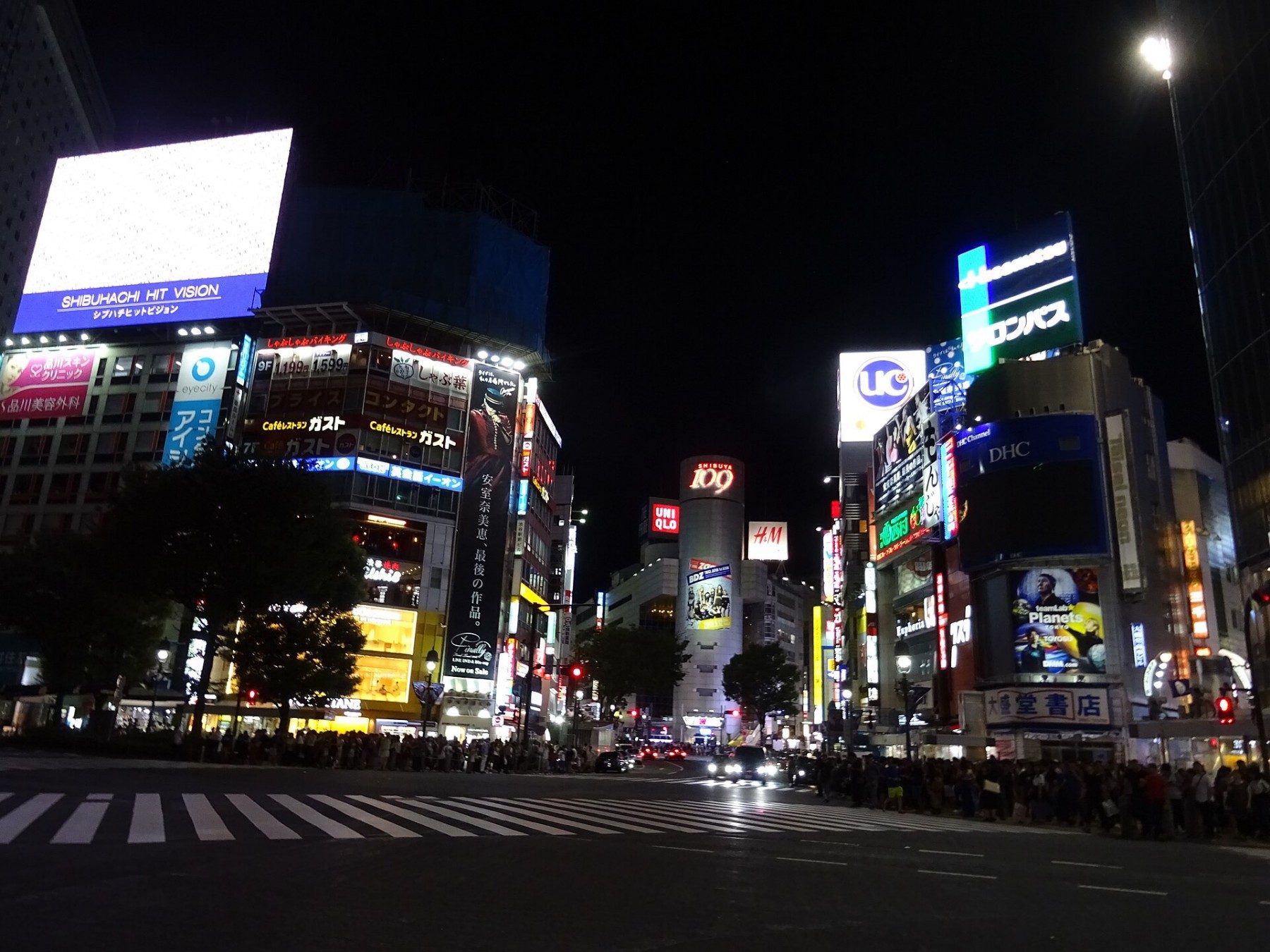
In Tokyo, Shibuya’s crossing sits outside the station; in Ueno, museums cluster beside the park. Those are two quite different days, both worth keeping free of a midday dash across the city. Start with the kind of day you want, then choose the hotel and tickets that support it. 4, 5
The essentials, at a glance.
- Currency
- Japanese yen, shown here as JPY. 6
- Suggested length
- Nine nights for Tokyo and Kyoto; twelve with Hiroshima and Osaka.
- Entry
- Check your passport nationality and footnotes on Japan’s short-stay exemption list. 7
- Haneda gateway
- Keikyu to Shinagawa; check the train destination before boarding. 8
- Regional pass
- Five consecutive days; foreign passport and Temporary Visitor status required. 1
- Local payment
- Physical Welcome Suica lasts 28 days including purchase day. 9
- Kyoto tax
- Charged per person per night, according to the lodging-fee band. 3
- Phone
- Check data, voice, device compatibility and activation terms separately. 10
- Emergency
- 110 for police; 119 for ambulance or fire. 11
- Weather
- Use the forecast for each city, plus JMA warnings. 12
Where should you stay on a first trip?
Pick your station before your room. For this route, shortlist Shinagawa, Ueno or Shibuya in Tokyo; Kyoto Station or Shijo-Karasuma in Kyoto; and Hiroshima Station or Hondori in Hiroshima. These are starting points for a hotel search. Match the base to the journeys you will actually make, then check the walk from the station exit to the front door.
Shinagawa brings the Keikyu airport link, Yamanote Line and Tokaido Shinkansen together. That makes it our practical choice for a Haneda arrival followed by Kyoto. Ueno suits a museum-led stay, while Shibuya puts the crossing and shopping district close at hand. Use the station name in your search, since a neighborhood name can cover a much wider area. 13, 5, 4
| Base | Choose it for |
|---|---|
| Shinagawa, Tokyo | Haneda arrival and onward rail |
| Ueno, Tokyo | Park and museum days |
| Shibuya, Tokyo | Shopping and an evening in Shibuya |
| Kyoto Station | Arrival and departure with luggage |
| Shijo-Karasuma, Kyoto | A central base on the Karasuma subway |
| Hiroshima Station | Rail transfers |
| Hondori, Hiroshima | Access on foot to Peace Memorial Park |
These are editorial base choices, not hotel price rankings.
In Kyoto, the Karasuma subway connects Kyoto Station with Shijo and Karasuma Oike. Shijo-Karasuma is a useful compromise for a first stay: choose a room near Shijo Station if you want a clear link back to your intercity train. Look around Kawaramachi if downtown meals and shopping carry more weight in your plan. 14
Choose one hotel for each city. Moving from one Tokyo district to another means packing, checking out and arranging luggage again. Spend that effort on a day out instead. A five-night stay gives you room to learn a familiar route home, keep a favorite breakfast place and move one activity when you wake up tired.
- For a family, check the listed bed sizes and the number of guests allowed in the exact room type.
- For a wheelchair user or anyone who avoids stairs, compare the station’s lift exit with the hotel entrance before booking.
- For a late arrival, choose a property with a confirmed check-in arrangement and save its address in Japanese.
Compare rooms on the same basis: dates, guests, meals, cancellation terms and taxes. A lower headline price can lose its appeal when it means an extra room or a long transfer with bags. Put your shortlisted addresses into the alongside your first and last trains. That makes the tradeoff visible before payment.
Do you need a visa for Japan?
Start with the passport you will use. On 27 September 2026, Japan’s foreign ministry lists 74 countries and regions with short-stay visa exemptions. The stated landing period is 15 days for Indonesia and Thailand, 30 for Brunei and Qatar, and 90 for the other listed places. Passport conditions and registration requirements appear in the footnotes. 7
Read your own row in the official exemption list. Indonesian travelers, for example, need the specified ePassport registration for the exemption. Make this check before paying for flights. If your passport falls outside the arrangement, follow the visa instructions from the Japanese mission serving your place of residence. 7
Visit Japan Web handles arrival information for immigration and customs. Use the Digital Agency’s service page to reach it. Completing those forms is a separate task from establishing your entry eligibility. Keep the first hotel’s address and your flight details beside you while entering the information. 16
- Make a travel folder with your flight booking, first hotel address and onward plans, available offline.
- Keep each traveler’s documents identifiable. Share a copy of the route with your companions so one lost phone leaves another usable set.
- Compare the trip dates with your permitted stay before extending the holiday or changing the flight home.
Check medicines by their active ingredient and quantity before packing. The health ministry sets personal-import procedures, while the Narcotics Control Department has separate guidance for controlled substances and advance permission. Take the exact product details to the official medicine guidance, then follow the relevant process. 17, 18
Your first 24 hours from Haneda
Make Shinagawa your first clear destination. This sequence is for arrival at Haneda and a hotel near Shinagawa Station. Keikyu publishes an estimated daytime rail journey of 11 minutes from Terminal 3 to Shinagawa, or 14 minutes from Terminals 1 and 2. Add your own time for arrival formalities, waiting and the hotel walk. 8
Before landing
Save the hotel address, the correct airport terminal and the station-to-hotel walk. Keep your arrival documents accessible without relying on mobile data. Make the first evening’s plan small enough that a delayed flight only changes dinner.
Finish arrival formalities
Follow airport signs for immigration, baggage collection and customs. Keep the information you entered in Visit Japan Web ready for the relevant checks. Once in the public arrivals area, stop to put away documents and check that everyone has their bags. 16
Sort the first purchases
Have a working payment card and a modest amount of yen for the first part of the trip. Seven Bank accepts supported overseas cards, with possible ATM and card-issuer fees. Read the screen before accepting a withdrawal, and keep the receipt until the amount appears correctly in your account. 6
Board the correct Keikyu train
Follow signs for Keikyu and check that your chosen service goes toward Shinagawa. Keikyu also serves Yokohama, so read the destination display. Use its route search for your terminal, departure time and payment method; paper-ticket and IC-card fares can differ. 8
Reach the hotel before sightseeing
Use the hotel’s named exit and saved walking route. If check-in is later, request luggage storage under the property’s policy. Keep the afternoon nearby: lunch, a short walk and a chance to charge the phone are enough for day one.
For Ueno or Shibuya lodging, plan the onward JR connection from Shinagawa before leaving the airport. Shinagawa has the Yamanote Line as well as Keikyu. Save both the transfer and the exit at your final station. The short airport train ride is only one part of reaching a room. 13
If your flight arrives late, check the final usable connection for the whole journey, including any change of train. Make a backup plan before flying: a booked airport-area room or a quoted road transfer that fits your budget. Keep the hotel’s late-arrival instructions with that plan. A tired first night is the wrong time to improvise several connections.
Tokyo: build days around neighborhoods
Give Tokyo five nights if you can. Use the first for arrival, then divide the remaining days by area and interest. Resist the urge to attach a distant attraction to every spare hour. A useful day has one main destination, a meal nearby and room to stay longer when something catches your attention.
Make Ueno a museum day. Tokyo National Museum holds art and antiquities including woodblock prints, ceramics and swords; the National Museum of Nature and Science gives a different route through the area. The museums are clustered near Ueno Park. Pick the collection that interests you, then leave time for the surrounding streets and Ameyoko. 5
For Shibuya, start at the crossing outside the station and keep the day focused on the district. Shops and the streets around the station can take as much time as you want to give them. If your group has different interests, agree on a meeting place away from the busiest pedestrian flow before splitting up. 4
For film and animation fans, Ghibli Museum in Mitaka can anchor another day. On 27 September 2026, the official adult price is JPY 1,000 for ages 19 and over. All visits require advance booking. Overseas online sales open at 10 a.m. Japan time on the tenth of each month for the following month. 2
- Museum day: choose one main collection and keep lunch close. Add another stop only if you still have the energy.
- Shopping day: decide what you hope to find before starting. Keep purchases easy to carry, especially before the Kyoto transfer.
- Flexible day: leave this open for weather, a missed reservation or a neighborhood you want to revisit.
For a group, ask each person to choose one Tokyo priority. Build those into separate days where possible, and let the rest stay optional. This works especially well when one person wants shops and another wants museums. Everyone gets a clear part of the trip without having to share every hour.
Kyoto: choose one side of the city each day
Give Kyoto four nights and three full days. Plan one eastern day, one western or northern day, and one central day. This is a pace choice: it lets you sit down between visits and spend time at a place you like. Build each day from your hotel station, with one main destination and a nearby second option.
Kyoto’s official transport guide puts Kiyomizu-dera and Gion in the east, Saga and Arashiyama in the west, and Fushimi in the south. For Gion or Kiyomizu from Kyoto Station, it suggests the JR Nara Line to Tofukuji, then Keihan. For Kinkaku-ji, use JR to Enmachi and continue by city bus. 19
Downtown, use Shijo-Karasuma as a clear starting point. Nishiki Market lies within the central shopping and dining area toward Kawaramachi. Keep this day for looking closely and eating at a sensible pace, rather than threading it between trips to opposite edges of Kyoto. 14
For the western day, choose a small group of stops around Arashiyama: the bamboo grove and Togetsu-kyo Bridge, with Tenryu-ji or Fukuda Art Museum according to your interests. Check the chosen venue’s current hours and admission separately. Kyoto’s area page also links a congestion forecast, useful when deciding the order. 20
- Eastern day: make Kiyomizu-dera the main visit, with Gion as a separate, unhurried part of the day. Check current access and opening hours before setting out.
- Western day: choose Saga and Arashiyama, and leave the other side of the city for tomorrow. Keep lunch and a rest stop within your chosen area.
- Central day: spend time around Shijo, Kawaramachi and Nishiki. Use the spare hours for the visit you most want to extend.
In Southern Gion, residents’ daily lives and performers’ work take priority over photographs. Kyoto asks visitors to avoid private property, keep streets clear and seek permission before photographing geiko or maiko. Following or touching performers is unacceptable. Observe posted photo restrictions, even when other visitors ignore them. 21
If performance is the reason you want to visit Gion, look for a scheduled public show through the venue or Kyoto’s official event listings. Choose the date, seat and published photo rules before you buy. Paying for a performance lets you attend work that artists have chosen to share with an audience.
At Kiyomizu-dera, make time for the view from Okuno-in toward the Main Hall’s wooden stage and the city. The hall stands above Otowa Waterfall, while the Main Hall sits against Mount Otowa. Let that part of the visit take the time it needs before adding another temple. 22
Is a Japan Rail Pass worth it for this route?
Price the route before the pass. Here the journeys are Tokyo to Kyoto, Kyoto to Hiroshima, then Hiroshima to Shin-Osaka. The figures below were checked on 27 September 2026. SmartEX’s linked fare sheet is dated 1 April 2025; its figures are adult, one-way, regular-season Nozomi fares in reserved ordinary seats. 23
Table view: Rail purchase cost for the three-city route
| Item | Value (JPY per adult) |
|---|---|
| Tokyo ticket + regional pass | 30,970 JPY per adult |
| Three individual Nozomi tickets | 36,460 JPY per adult |
| National pass: direct online | 50,000 JPY per adult |
Purchase totals with different coverage. Regional: five days, conventional Kyoto-Shin-Osaka transfer, eligible JR West local travel and ferry. National: official direct-online seven-day ordinary pass, excluding Nozomi supplements. Three individual tickets: only the named Shinkansen trips. Source: 23, 1, 24
| Strategy | JPY per adult |
|---|---|
| Tokyo ticket + five-day regional pass | 30,970 |
| Three individual Nozomi tickets | 36,460 |
| Seven-day national ordinary pass: direct online | 50,000 |
Same endpoints and coverage differences as the chart. Airport travel, food, lodging, uncovered local services and Miyajima visitor tax are outside this comparison. Yen only; rail sources do not explicitly label these prices tax-inclusive.
| One-way journey | JPY per adult |
|---|---|
| Tokyo to Kyoto | 13,970 |
| Kyoto to Hiroshima | 11,740 |
| Hiroshima to Shin-Osaka | 10,750 |
These are station-to-station fares; seasonal adjustments apply.
The arithmetic is JPY 13,970 + JPY 11,740 + JPY 10,750 = JPY 36,460. Pairing the Tokyo ticket with the JPY 17,000 regional pass gives JPY 30,970, a difference of JPY 5,490. That is a useful saving for this plan. It buys a different journey from Kyoto, so read the transfer below before choosing it. 23, 1
The Kansai-Hiroshima Area Pass covers JR West conventional trains and the Sanyo Shinkansen from Shin-Osaka to Hiroshima. It excludes the Tokaido Shinkansen, including Kyoto to Shin-Osaka. Take a covered conventional JR train for that leg, then change to the Shinkansen. Ordinary reserved seats and the JR West Miyajima Ferry are included; Green Car charges and the island visitor tax are extra. 1
On 27 September 2026, the seven-day ordinary national pass costs JPY 50,000 per adult through the official direct-online service. Children aged 6 to 11 at online purchase pay JPY 25,000. Its broader coverage can matter on a longer route, but it costs more than either option shown here. Build a separate fare comparison for your family’s ages. 24
For purchases through overseas JR-designated agencies from 1 October 2026, the seven-day ordinary pass rises to JPY 53,000 per adult and JPY 27,000 per child. The purchase location’s local date applies. Child pricing uses ages 6 to 11 when the exchange order is issued, including children who turn 12 before travel. JR’s official online prices remain frozen for a limited period; its end date will be announced separately. 24, 25
For the national-pass option, plan Hikari and Sakura services where appropriate. Using Nozomi or Mizuho requires an extra pass-holder ticket for each journey. The Tokyo-to-Kyoto Nozomi supplement alone is JPY 4,960, including tax, checked 27 September 2026. 26
For foreign tourists, the national pass requires Temporary Visitor status and its passport stamp or sticker; follow the operator’s instructions if using an automated immigration gate. This comparison uses that visitor category. Check the national-pass conditions before purchase. 27
Local tickets, rail windows and luggage
Keep local payment separate from long-distance booking. SmartEX combines the basic fare and limited-express charge for its purchased Shinkansen journey; conventional transport to and from the stations is separate. List the hotel-to-station legs beside the larger ticket purchases. 28
The physical Welcome Suica has no deposit and lasts 28 days including its purchase day. Standard refunds of unused balance are unavailable. Buy a modest amount of stored value and add more as needed. Keep track of the balance toward the end of the trip so the final top-up matches journeys you still expect to make. 9
On 27 September 2026, Tokyo Subway Tickets cost JPY 1,000 for 24 hours, JPY 1,500 for 48 hours and JPY 2,000 for 72 hours per adult. They cover Tokyo Metro and Toei Subway from the start of use, excluding JR and private railways. Overseas visitors qualify; domestic eligibility depends on residence outside the listed Tokyo-area prefectures. 29
| Duration from first use | JPY per adult |
|---|---|
| 24 hours | 1,000 |
| 48 hours | 1,500 |
| 72 hours | 2,000 |
Tokyo Metro and Toei only. Airport railway legs and JR are excluded; check visitor eligibility. No currency conversion; tax treatment is unstated on the cited page.
Compare that pass with the routes you intend to ride. A day spent mostly inside one museum needs fewer trips than a day crossing several districts. For two people whose plans differ, a pass can suit one and fail to save the other money. Keep the calculation per traveler, even when you share the hotel.
Measure each suitcase before reserving the Shinkansen. On the Tokaido-Sanyo-Kyushu corridor, bags whose three dimensions total more than 160 cm and up to 250 cm require a seat with an oversized baggage area. Reserving that space adds no fee to the reserved seat. Turning up without the required reservation can incur JPY 1,000 including tax. 30
- Record each train’s date, station endpoints and seat details together. A station name is more useful than a city name at a ticket gate.
- Put luggage arrangements beside the train booking, including any oversized-space reservation and the bag it covers.
- For a group, agree where to meet if separated and keep a copy of the next hotel’s address on more than one phone.
Choose the regional pass start date after you lay out the western part of the trip. For the twelve-night route below, starting on day nine runs through day thirteen. That keeps the Hiroshima journeys together. Buy the pass only after checking that every intended covered trip falls within those five consecutive calendar days.
Hiroshima and Miyajima: give them separate days
Stay two nights in Hiroshima. That gives the city and Miyajima their own time, with fewer bags to manage. Choose a Hiroshima Station base for your rail arrivals and departures, or look around Hondori if the Peace Memorial Park area is your priority. Hondori and Fukuromachi tram stops provide approaches on foot to the park. 15
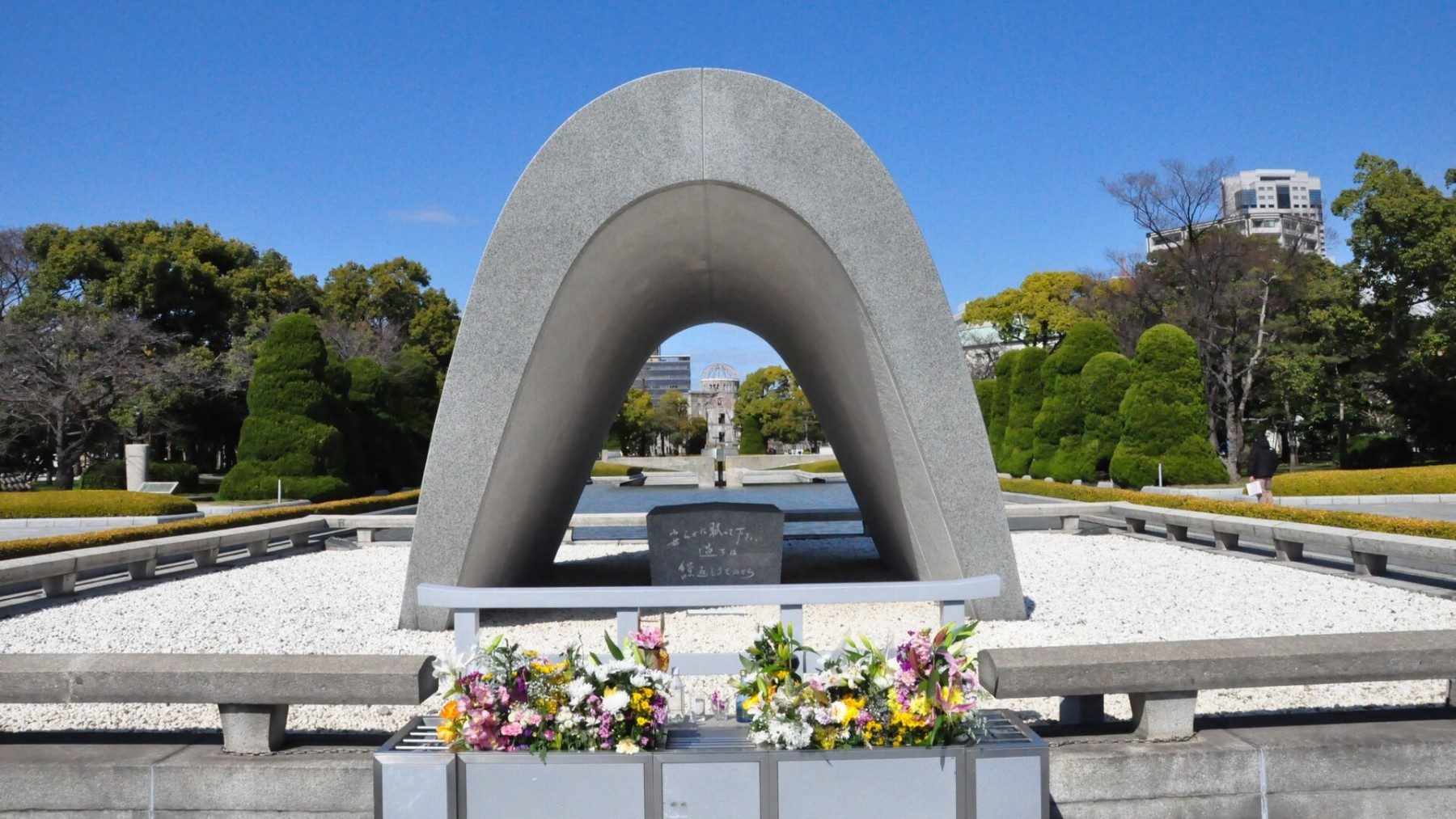
Make the Peace Memorial Museum your main city visit and leave time afterward. The city ordinance lists adult admission at JPY 200, checked 27 September 2026. Its adult category applies after the first 31 March following the eighteenth birthday. Check the museum’s current booking and opening arrangements before fixing the day. 31
Keep the museum day open enough to respond to what you see. Book lunch loosely, and avoid treating the park as a quick stop between two trains. With children, decide in advance how much time to spend inside and agree that anyone can take a break. The visit deserves more care than a timed photo circuit.
Take the JR Sanyo Line from Hiroshima Station to Miyajimaguchi, then follow the ferry approach. Use the JR West ferry if relying on its rail-pass coverage. Save the return rail connection as well as the sailing, so you know how you will get back to the hotel. 32
For Miyajima, use Miyajimaguchi as the mainland ferry gateway. The JR West boat costs JPY 200 each way per adult, plus a JPY 100 visitor tax on entering the island. That makes JPY 500 for the adult return crossing with one entry, checked 27 September 2026. Eligible JR-pass holders still pay the visitor tax. 33
| Component | JPY |
|---|---|
| Outbound JR West ferry | 200 |
| Return JR West ferry | 200 |
| Visitor tax for one entry | 100 |
Total JPY 500 without a pass. This excludes the train to Miyajimaguchi and any island admissions. With an eligible pass, only the JPY 100 visitor tax remains for this crossing.
Keep the island outing on the middle day of the Hiroshima stay. That gives you the option to change its order with the city visit if the weather turns. Take the bag you need for the day, check the return sailing before leaving the mainland, and leave time for the station connection at the end.
If you only have one extra night to spare, compare Hiroshima with adding that night to Kyoto. An extension works best when its main experience matters to you enough to justify the travel. Choose the museum, the island, or both with enough time. Avoid adding the city just because a rail pass reaches it.
Build the budget from bookings and local charges
Start with the costs you can name. Put flights and room quotes at the top of the budget, then add the chosen rail strategy, local transport and booked admissions. Keep spending money separate. The tables here give ticket and tax inputs; your dates, room choice and meals determine the rest of the trip.
Kyoto’s accommodation tax changed on 1 March 2026. It applies per person per night, with the amount tied to the accommodation fee in the table. Check how your property calculates the taxable lodging amount and whether the booking total already includes the charge. Meals and room-package details deserve a clear breakdown. 3
| Lodging fee, JPY per person/night | Tax, JPY per person/night |
|---|---|
| Under 6,000 | 200 |
| 6,000 to 19,999 | 400 |
| 20,000 to 49,999 | 1,000 |
| 50,000 to 99,999 | 4,000 |
| 100,000 or more | 10,000 |
These are tax bands, not hotel-rate estimates. Use the property’s taxable lodging fee, not a mixed package total.
As an example, two adults staying four nights at a taxable lodging fee of JPY 12,000 each per night fall in the JPY 400 band. Their accommodation tax totals JPY 3,200. Add it only if the room quote excludes it. The multiplication is simple; establishing what the hotel has already included is the useful part. 3
Seven Bank’s limit for an overseas-issued card is JPY 100,000 per withdrawal, or JPY 30,000 for magnetic-stripe transactions. Fees and card availability vary, and your own bank can impose a lower limit. Treat that as a service limit, not an amount to withdraw. Choose the cash you need for the next part of your trip. 6
For a phone plan, compare the named product’s data allowance, speed restrictions and hotspot limit. Sakura Mobile’s live page offers different data-only eSIM products, with distinct network and usage terms. An unlimited headline needs a closer read. Check the device model, unlocked status and installation instructions before paying. 10
- Keep a room subtotal for each city, including required taxes and the exact number of guests.
- Record shared costs once, then split them only when you calculate each traveler’s share.
- Leave a reserve for a changed transfer, an extra night or a booking you choose to replace.
Use the travel money collection when comparing broader payment choices, then enter your actual card fees into this trip’s budget. Keep all Japanese purchases in yen until the total is complete. That avoids mixing several exchange rates and makes a changed room or rail ticket easy to update.
Food: order with the broth and the bill in mind
Plan a few meals and leave room for discovery. Put any meal you care deeply about on a day with little travel. Keep transfer-day food simple and close to your route. A train connection followed by a prepaid dinner leaves you less freedom if either part runs late.
At many ramen shops, payment comes first at a ticket machine. Choose the dish, pay and pass the ticket to staff as directed. The broth matters as much as the topping: tonkotsu uses pork bones, and other styles have their own stocks. Removing sliced meat changes the topping, not what went into the soup. 34
Vegetarian and vegan travelers should ask about stock, sauces and garnishes. Fish-based dashi can be present even when a dish has no visible fish. Carry a written Japanese dietary card that names the ingredients you avoid, and contact set-menu restaurants or lodgings serving meals in advance. 35
If a dietary restriction is central to the trip, choose two possible meals near each base before arrival. Keep one for the first night, when making several decisions in a new place is harder. For an allergy, describe the allergy and ask the kitchen about preparation, rather than relying on the dish’s name or a photograph.
- Before joining a queue, check the menu, ordering process and payment method so you can decide calmly.
- For a booked meal, save the time, address, guest count and cancellation terms together.
- When a meal plan includes breakfast or dinner, fit the day’s travel around the stated service time.
Tipping is uncommon in Japanese restaurants, cafes, taxis and hotels. Pay the bill presented. A stated service charge belongs in the total; it differs from a voluntary tip. Private guides can have their own arrangements, so use the booking terms to understand what you are paying for. 36
For a named vegan option, consider T’s Tantan Gransta Tokyo at Tokyo Station. The operator lists it on basement level B1, outside the ticket gates in the Square Zero area. It serves vegan ramen without meat, seafood, eggs or dairy. Check the current shop listing before planning a meal around your train. 37
When should you visit, and how should you handle weather?
Choose for your activities, then check each city. Japan’s climate varies greatly between Hokkaido and Okinawa. Tokyo and Kyoto have hot, humid summers; JNTO warns that August and September can bring typhoons. A countrywide seasonal label tells you less than the forecast for the exact places on your route. 38
For a first city-focused visit, put spring and autumn on your shortlist, then compare actual lodging prices and dates. If flowers or autumn color are your main reason to go, leave some flexibility in the sightseeing order. Choose a trip you would still enjoy if the seasonal display arrives earlier or later than hoped.
Kyoto warns that a packed summer sightseeing schedule increases heatstroke risk. Check the forecast and heat index, make room for rest and rehydrate. The city’s safety page lists cooling shelters and drinking-water locations. Move a demanding outdoor plan when the conditions call for it. 39
JMA issues warnings and advisories by prefecture. Check both your current location and the next stop, then read the rail or ferry operator’s service information before departure. An unchanged hotel booking tells you nothing about whether the journey to reach it is operating. 12
- Hot day: put the longer walk early, keep an indoor middle of the day and make the evening optional.
- Wet day: move a museum or central shopping day forward if its opening schedule allows. Keep one nearby meal unbooked.
- Disrupted travel day: confirm the next service, contact your lodging about arrival, and preserve enough funds for a changed plan.
Save 110 for police and 119 for ambulance or fire. JNTO’s visitor hotline page also lists assistance for travelers. Keep your hotel address and your insurer’s contact details available offline, where a companion can find them. 11
For a walking or hiking addition, plan the trail separately from the city itinerary. Check its season, access, equipment needs and current conditions before assigning a spare day. Use the adventure travel collection to develop that part of the trip, then give it enough time of its own.
Two routes you can copy
Count nights before counting sights. These plans assume arrival in Tokyo and departure from Kansai. They are suggested allocations, with travel on the day between overnight stops. If your flights return from Tokyo, add the return journey and a final Tokyo night before comparing tickets. Keep that cost visible at the flight-booking stage.
For the final Osaka night, shortlist hotels near Shin-Osaka Station. Haruka provides a direct rail link with Kansai Airport and also serves Kyoto, making it an option for the shorter route’s departure. Match the timetable to your flight’s check-in deadline before settling the last hotel. 40
- 01Tokyo5 nights
Use the arrival day to settle in. Give the next days to Ueno, Shibuya and your own main interest, then keep a flexible day for weather or a second visit. Five nights let you make Tokyo feel like a place you are staying in, beyond a chain of booked stops.
→ Arrive at Haneda; Keikyu to Shinagawa and onward as needed. - 02Kyoto4 nights
Travel on day six and keep that evening easy. Divide the full days between eastern Kyoto, a western or northern area, and downtown. Fit one important booking into each day at most, and leave time to return to the hotel before dinner.
→ Tokaido Shinkansen to Kyoto; Haruka to Kansai-airport for departure. 40
With less time: With seven nights, choose four in Tokyo and three in Kyoto. Drop optional outings before cutting sleep or building a late intercity trip into every other evening. For a very early Kansai flight, move the final night toward the airport after checking the transfer.
- 01Tokyo5 nights
Keep the same unhurried Tokyo start. Buy the western transport after deciding which day you will leave Kyoto, so the pass window fits your planned movements. Save any larger shopping purchases for a day when carrying them will be manageable.
→ Arrive at Haneda; travel to Kyoto on day six. - 02Kyoto4 nights
Keep three full sightseeing days. If using the regional pass, day nine is a possible start, with the main westbound journey on day ten. That leaves the pass active through day thirteen without spending its first days during the Tokyo stay.
→ For the regional option, conventional JR train to Shin-Osaka, then Sanyo Shinkansen to Hiroshima. - 03Hiroshima2 nights
Plan the city visit around your arrival time, with Miyajima on the middle day. Switch their order if the forecast and museum availability favor it. Keep your luggage at the same lodging for both nights so the island day stays simple.
→ JR Sanyo Line to Miyajimaguchi, then JR West ferry; return to Hiroshima. 32 - 04Shin-Osaka, Osaka1 night
Return east on day twelve and sleep at the departure end of the route. Choose the room only after checking your exact Kansai Airport journey and flight check-in time. An early flight can justify a base closer to the airport instead of another city evening.
→ Hiroshima to Shin-Osaka; Haruka to Kansai-airport on departure day. 40
With less time: With fewer nights, remove Hiroshima and keep the Tokyo-Kyoto core. If the museum is a chief reason for coming to Japan, reduce Tokyo by one night instead, but keep Hiroshima’s two-night stay.
On either route, fill in the fixed entries first: flights, hotels, any museum ticket and the long rail journeys. Then write one sentence for each open day about what you want from it. A market lunch, a museum morning or a slow walk is enough direction. The open hours are part of the holiday.
A separate Hokkaido trip: Upopoy in Shiraoi
Give Hokkaido its own route. If Ainu culture is central to your interests, plan around Shiraoi and Upopoy rather than adding a distant stop to the Tokyo-Kyoto-Hiroshima itinerary. New Chitose Airport is a regional gateway; Upopoy is about a 500-metre walk from JR Shiraoi Station’s North Exit. 41
Upopoy, run by the Foundation for Ainu Culture, supports the continued development of Ainu culture through exhibitions, research and exchange. Approach it as a place to learn from living cultural work. Give the program and the people presenting it enough time, and follow the rules for each activity and space. 42, 43
| Ticket | JPY |
|---|---|
| General date-specific admission | 1,200 |
| Online date-specific admission | 1,000 |
Tax included. Ages 16 to 18 should request the high-school rate; ages 15 and under enter free. Some activities and special exhibitions cost extra, and some programs need reservations. Date-specific tickets admit once and are nonrefundable.
Start that trip by choosing the program you want to attend, then arrange the Shiraoi transport around it. Leave enough time after arrival to check the day’s schedule and move between spaces without rushing. An admission ticket and an activity booking can involve different choices, so read both before setting the day’s train times.
If you are still deciding between a city route and Hokkaido, compare the purpose of each trip before comparing the number of stops. The country travel guides can help frame the wider choice. Keep the version that gives your strongest interest a full day, and save the other route for another visit.
Japan travel questions, answered.
Find the practical detail you need, or browse by topic.
Can I do Tokyo and Kyoto in one week?
Yes. Our shorter plan uses four Tokyo nights and three Kyoto nights. Keep the transfer day light and choose one main activity for each full day. Leave Hiroshima out of that version so you retain time to settle into both bases.
Should I fly home from Tokyo or Kansai?
Compare the complete cost of both flight plans, including a return train and final hotel if needed. The routes here end in Kansai. A cheaper Tokyo return airfare can lose its saving once you add the journey back; use your actual quotes to decide.
Can I board in Shinagawa with a Tokyo ticket?
Choose the actual boarding station when booking. The cited SmartEX sheet lists the same regular-season Nozomi price to Kyoto from Tokyo and Shinagawa, but a matching price is no reason to leave the wrong station on a booking. 23
Who qualifies for the Kansai-Hiroshima pass?
A user needs a foreign-government passport and Temporary Visitor entry status. Present the passport when receiving the pass. Japanese nationals are excluded, including those with permanent residence abroad. Adult pricing starts at 12; children aged 6 to 11 use the child rate. 1
Does the Tokyo Subway Ticket cover the Yamanote Line?
What if Ghibli Museum tickets are sold out?
Keep that day flexible and choose another Tokyo activity. The museum sells no tickets at the door. Its official page also links an authorized tour option; compare the whole itinerary and price before choosing it solely for museum entry. 2
Can I take a suitcase larger than 250 cm in total?
JR Central excludes baggage above that total size on this corridor. Check a suitable separate transport service before travel. Measure height, width and depth together; the airline’s baggage allowance answers a different question. 30
Can I break a SmartEX trip for a stopover?
SmartEX permits no stopovers on a single ticket. Leaving through the gate partway along the route invalidates the unused portion. If you want a visit between cities, price separate journeys before booking. 28
How do Ghibli Museum child prices work?
The museum lists JPY 700 for ages 13 to 18, JPY 400 for ages 7 to 12, and JPY 100 for ages 4 to 6; children aged 3 and under enter free. These prices were checked on 27 September 2026. Arrange the visit through the advance-booking process. 2
What should I book first?
Confirm entry eligibility and choose your arrival and departure cities. Then secure the rooms and any date-specific experience that determines the route. Buy the transport once those dates are settled, and keep enough unbooked time for weather or a change of pace.
No answers match those filters. Try a broader word or choose all topics.
Sources & review.
Researched 2026-09-27. Prepared from primary sources, with a separate independent source review. Numbered notes in the text point to the sources below. Prices, entry rules and schedules change; use the linked authority for your dates.
- 1Kansai-Hiroshima Area Pass JR West · Accessed 2026-09-27 · Primary source
- 2Ghibli Museum tickets Ghibli Museum, Mitaka · Accessed 2026-09-27 · Primary source
- 3Kyoto accommodation tax from March 2026 Kyoto City Tourism Association · Accessed 2026-09-27 · Primary source
- 4Shibuya neighborhood Tokyo Convention & Visitors Bureau · Accessed 2026-09-27 · Primary source
- 5Ueno museums and neighborhood Tokyo Convention & Visitors Bureau · Accessed 2026-09-27 · Primary source
- 6Overseas cards at Seven Bank Seven Bank · Accessed 2026-09-27 · Primary source
- 7Short-stay visa exemptions Ministry of Foreign Affairs of Japan · Accessed 2026-09-27 · Primary source
- 8Haneda rail routes and travel times Keikyu Corporation · Accessed 2026-09-27 · Primary source
- 9Physical Welcome Suica conditions JR East · Accessed 2026-09-27 · Primary source
- 10Sakura Mobile product specifications Sakura Mobile · Accessed 2026-09-27 · Primary source
- 11Japan emergency contacts Japan National Tourism Organization · Accessed 2026-09-27 · Primary source
- 12JMA warnings and advisories Japan Meteorological Agency · Accessed 2026-09-27 · Primary source
- 13Shinagawa station and neighborhood Tokyo Convention & Visitors Bureau · Accessed 2026-09-27 · Primary source
- 14Central Kyoto stations and streets Kyoto City Tourism Association · Accessed 2026-09-27 · Primary source
- 15Hiroshima Peace Memorial Park access Hiroshima Tourism Association · Accessed 2026-09-27 · Primary source
- 16Visit Japan Web Digital Agency, Government of Japan · Accessed 2026-09-27 · Primary source
- 17Bringing medicines for personal use Ministry of Health, Labour and Welfare · Accessed 2026-09-27 · Primary source
- 18Controlled medicine import guidance Ministry of Health, Labour and Welfare, Narcotics Control Department · Accessed 2026-09-27 · Primary source
- 19Rail gateways for Kyoto sightseeing Kyoto City Tourism Association · Accessed 2026-09-27 · Primary source
- 20Saga and Arashiyama sights Kyoto City Tourism Association · Accessed 2026-09-27 · Primary source
- 21Kyoto visitor conduct Kyoto City Tourism Association · Accessed 2026-09-27 · Primary source
- 22Kiyomizu-dera halls and views Kiyomizu-dera Temple · Accessed 2026-09-27 · Primary source
- 23SmartEX reserved ordinary-car fare matrix JR Central SmartEX · Accessed 2026-09-27 · Primary source
- 24Japan Rail Pass prices Japan Railways Group · Accessed 2026-09-27 · Primary source
- 25Japan Rail Pass price changes from October 2026 JR Group · Accessed 2026-09-27 · Primary source
- 26National pass Nozomi and Mizuho tickets Japan Railways Group · Accessed 2026-09-27 · Primary source
- 27National pass eligibility Japan Railways Group · Accessed 2026-09-27 · Primary source
- 28SmartEX ticket inclusions JR Central SmartEX · Accessed 2026-09-27 · Primary source
- 29Tokyo Subway Ticket Tokyo Metro · Accessed 2026-09-27 · Primary source
- 30Shinkansen baggage rules Central Japan Railway Company · Accessed 2026-09-27 · Primary source
- 31Hiroshima Peace Memorial Museum ordinance City of Hiroshima · Accessed 2026-09-27 · Primary source
- 32Hiroshima to Miyajima route Hiroshima Tourism Association · Accessed 2026-09-27 · Primary source
- 33JR West Miyajima Ferry fares JR West Miyajima Ferry · Accessed 2026-09-27 · Primary source
- 34Ramen styles and ordering Japan National Tourism Organization · Accessed 2026-09-27 · Primary source
- 35Vegetarian and vegan travel Japan National Tourism Organization · Accessed 2026-09-27 · Primary source
- 36Tipping in Japan Japan National Tourism Organization · Accessed 2026-09-27 · Primary source
- 37T’s Tantan Gransta Tokyo location and vegan menu JR East Cross Station · Accessed 2026-09-27 · Primary source
- 38Japan weather by region Japan National Tourism Organization · Accessed 2026-09-27 · Primary source
- 39Kyoto emergency and heat guidance Kyoto City Tourism Association · Accessed 2026-09-27 · Primary source
- 40Haruka airport route JR West · Accessed 2026-09-27 · Primary source
- 41Upopoy location and station approach Upopoy / Foundation for Ainu Culture · Accessed 2026-09-27 · Primary source
- 42Upopoy cultural mission Upopoy / Foundation for Ainu Culture · Accessed 2026-09-27 · Primary source
- 43Upopoy admission and program conditions Upopoy National Ainu Museum and Park / Foundation for Ainu Culture · Accessed 2026-09-27 · Primary source