New Zealand travel guide
Choose your island, put the right nights in the right towns, and build a trip around the walks and visits that matter most.
- Give one island 10 to 14 nights as a planning starting point. Add a second island only after reserving time for the transfer and its possible delays.
- Both Cook Strait operators allow about 3.5 hours between Wellington and Picton. Terminal travel, check-in and disembarkation take extra time. 1, 2
- Book a multi-day track before fixing the surrounding road trip. A confirmed hut sequence lets you arrange the right transport and town nights on either side.
- For a first arrival in Auckland, take AirportLink to Puhinui Station and connect to a city train, checking the live route for your hotel. 3
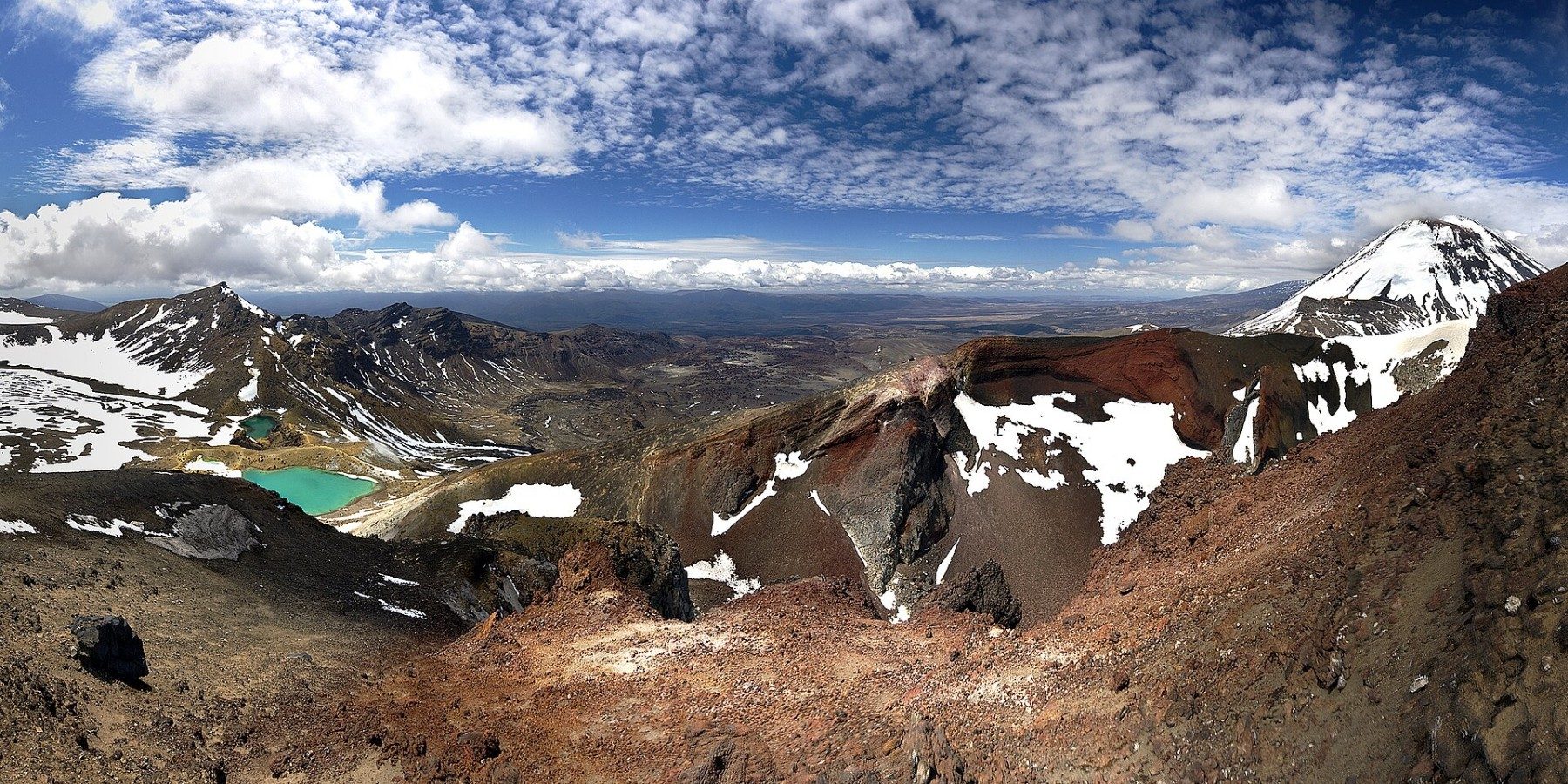
Give New Zealand a trip with room for a second morning: time to walk after the rain clears, hear a guide’s stories without watching the clock, or stay beside the lake after the day’s driving ends. This guide starts with one useful choice: a North Island journey through Rotorua and Tongariro, or a South Island route through the lakes and Fiordland.
The routes below are MMT planning suggestions. Choose one for roughly two weeks, then fit your flights and bookings around it. Prices and rules were checked on 28 September 2026; each priced activity names its dates and scope. A night in a hut, a ferry crossing and an arrival levy belong on separate lines of your trip budget.
The essentials, at a glance.
- Money
- New Zealand dollars (NZD); all prices below stay in local currency.
- Entry
- Check your passport and travel circumstances with Immigration New Zealand before buying inflexible travel. 4
- Visitor levy
- Most international visitors pay NZD 100 with their visa or NZeTA request; exemptions apply. 5
- Declaration
- The New Zealand Traveller Declaration is required and free. 6
- Emergency
- 111 for police, fire or ambulance. 7
- Driving
- Drive on the left. Plan your first long drive after a proper sleep. 8
- Phone
- Save maps and tickets offline before leaving town.
- Trip length
- MMT suggests 10 to 14 nights on one island for a first road trip.
Which New Zealand island should you choose?
Start with the day you most want. If that day involves Rotorua’s geothermal places and a visit led by Tūhourangi Ngāti Wāhiao residents, build a North Island route. If it involves a boat into Fiordland or a lake-to-lake road trip, start with the South Island. The point is to give the place you care about enough time, including a spare day when weather matters. 11, 10
| Choice | North Island | South Island |
|---|---|---|
| Core route | Auckland, Rotorua, Tongariro, Wellington | Christchurch, Lake Tekapo, Te Anau, Queenstown |
| Main emphasis | Cities, geothermal visits, volcanic walking | Lakes, mountain roads, Fiordland |
| Optional extension | Extra nights at an existing base | Picton and Abel Tasman as a separate northern leg |
MMT route choices; nights are suggested below. Geography: Tourism New Zealand and DOC. 9, 12, 10, 11
For a week, reduce the number of bases to two. Auckland and Rotorua make one pairing; Queenstown and Te Anau make another. Put arrival and departure days into the calendar before counting the time left for outings. A late landing followed by an early checkout gives you a bed, but little time in the town.
With three weeks, linking islands becomes easier to justify. Decide whether the Cook Strait crossing is part of the holiday you want. If your priorities sit far from Wellington and Picton, compare a domestic flight with the road journey to the ports. Include checked bags, airport transfers and any extra car hire in that comparison.
A trip with two walkers of different speeds needs another choice: shared bases or a shared long track. Shared bases let one person take a guided outing while the other has a shorter day. A multi-day walk commits both people to the same overnight stops. Agree on that before the last beds sell.
- Choose one main walking or cultural booking to organise the trip around.
- Mark the arrival night, departure night and every transfer before adding activities.
- Keep one day at the most weather-sensitive base free of another prepaid commitment.
Use the to put the nights in order. Read the plan aloud by where you sleep, not by every place you hope to see. If most sentences end with another hotel, remove a stop and give those nights to the part of the trip you came for.
What must you arrange before flying?
Check the entry route for your own passport. An NZeTA is available to eligible travellers; others need a visa. Immigration New Zealand’s entry checker links to the relevant decision tool. Allow at least 72 hours for an NZeTA, and longer if further checks are needed. 4
For eligible visitors, the NZeTA normally lasts two years, with visits of up to three months, or six months on a UK passport. Visits are limited to six months in any twelve-month period. Entry permission is decided on arrival. Use the same passport as the application, valid at least three months beyond your intended departure, and carry proof of onward travel. 4
| Charge | NZD per person |
|---|---|
| NZeTA advertised starting fee | 17 |
| IVL, when liable | 100 |
| Starting combined amount, when both apply | 117 |
MMT arithmetic: 17 + 100 = 117. The NZeTA figure is a starting fee; the application channel affects the fee. Visa applicants have different charges. The IVL is non-refundable, including after refusal. No currency conversion used.
The published funds requirement is NZD 1,000 per month, or NZD 400 with accommodation already paid. Keep statements and prepaid lodging receipts accessible. These are entry thresholds; build your holiday budget from actual bookings. 4
Everyone arriving must complete the free New Zealand Traveller Declaration. Food, plant or animal material, and used outdoor equipment need close attention. Declare items as directed and tell an officer when unsure. A false or incorrect declaration can bring an instant NZD 400 fine. 6
Pack hiking boots and other used gear where you can reach them. Clean them before leaving home, then leave time at the border for inspection. Put snacks in one place too. Finding an apple or a muddy tent at the bottom of a packed bag is a poor way to begin a journey.
Set a reminder to review the application details before departure. Compare the passport number character by character, then check the name on the flight booking. Leave any unresolved eligibility question with Immigration New Zealand before you commit to a fare that costs money to change.
Your first day: Auckland Airport to a city base
Choose the hotel and station together. For this arrival plan, search central Auckland lodging near Waitematā or Te Waihorotiu, then map the actual walk with your luggage. The South City line serves both stations. A hotel’s city-centre label tells you less than the route from the platform to its front door. 13
Clear the border
Complete passport control, collect your bags and follow the biosecurity lanes. Bring declared items to the officer’s attention before leaving the controlled area. Keep the first afternoon free of a prepaid tour. 6
Find AirportLink
At the International Terminal, follow the orange signs to AirportLink at stop A in the Transport Hub. At the Domestic Terminal it uses stop B. Ride to Puhinui Station. Auckland Transport accepts supported contactless cards or devices as well as AT HOP. 3
Check the final walk
Before leaving the station, open the saved hotel map. If the room is not ready, settle the bag-storage plan at reception, then find lunch nearby. Keep medication, a rain layer and your passport with you.
Prepare tomorrow
Eat early, charge the phone and review the next booking after some rest. Collect the car the next day if the route allows it. A short first drive gives you time to learn the controls and road layout without a long-distance deadline.
Use AT’s live journey planner for the fare and service at your arrival time. Rail works can replace trains with buses, so allow extra time when an alert appears. A fare for a generic number of zones is less useful than a quote to your actual station. 3
If the planned connection has stopped for the night, switch to a taxi or a prearranged transfer and confirm the total before leaving. Save that option before you fly. A first-night airport hotel is also worth pricing when you land late and need to depart early, though it changes the next morning’s route.
North Island: Rotorua, Tongariro and Wellington
Give Rotorua a full day between travel days. At Whakarewarewa, residents of Tūhourangi Ngāti Wāhiao own and operate the Living Māori Village. Their All-Day Pass combines a guided village visit, geothermal trails and a cultural performance. Set the day around the booked visit so the people leading it have your attention. 11
For lodging, compare central Rotorua with the area around Whakarewarewa on Tryon Street. A central base suits evenings spent on foot; a base chosen around the visit suits an early start there. Price the room with parking and breakfast included or excluded, then compare the whole stay. Avoid paying for a kitchen unless you plan to use it.
For Tongariro, start your accommodation search in Whakapapa or National Park, both named by DOC among the nearby towns. Arrange a shuttle for the crossing. Summer crossing walkers have no parking at Mangatepopo; DOC recommends shuttle access. The free track booking is needed for shuttle and guided services and recommended for other walkers. 9
Reserve two or three nights near the walk in your first plan. That gives you a full day to attempt it and room to change the order of outings. Ask the shuttle operator how a poor forecast affects departure and rebooking before paying. A spare night helps only if the booking terms let you use it.
DOC describes loose scree and exposed ground on the crossing. Ngāti Hikairo ki Tongariro of Ngāti Tūwharetoa ask visitors to respect these mountains. Their restorative rāhui protects fire-affected areas: stay on the tracks and out of the burnt ground off-track. Read current notices before setting out. 9
End the North Island route with time in Wellington. The waterfront, museums and food give you options before a crossing or flight. Tourism New Zealand places the city about eight driving hours from Auckland, which explains why a straight dash down the island leaves little room for Rotorua or Tongariro. 14
- Rotorua: protect a full day for a booked village visit and time afterward.
- Tongariro: choose the shuttle pickup before choosing a room farther from the park.
- Wellington: stay two nights if you want a city day before the ferry.
South Island: choose the coast or the southern lakes
The northern coast and Fiordland deserve separate time. Mārahau is a walking gateway to Abel Tasman; Kaiteriteri is a launch point for boat trips. Compare lodging in either settlement for an early park start. If you arrive at Picton, give the northern part of the island its own nights before continuing south. 15, 16
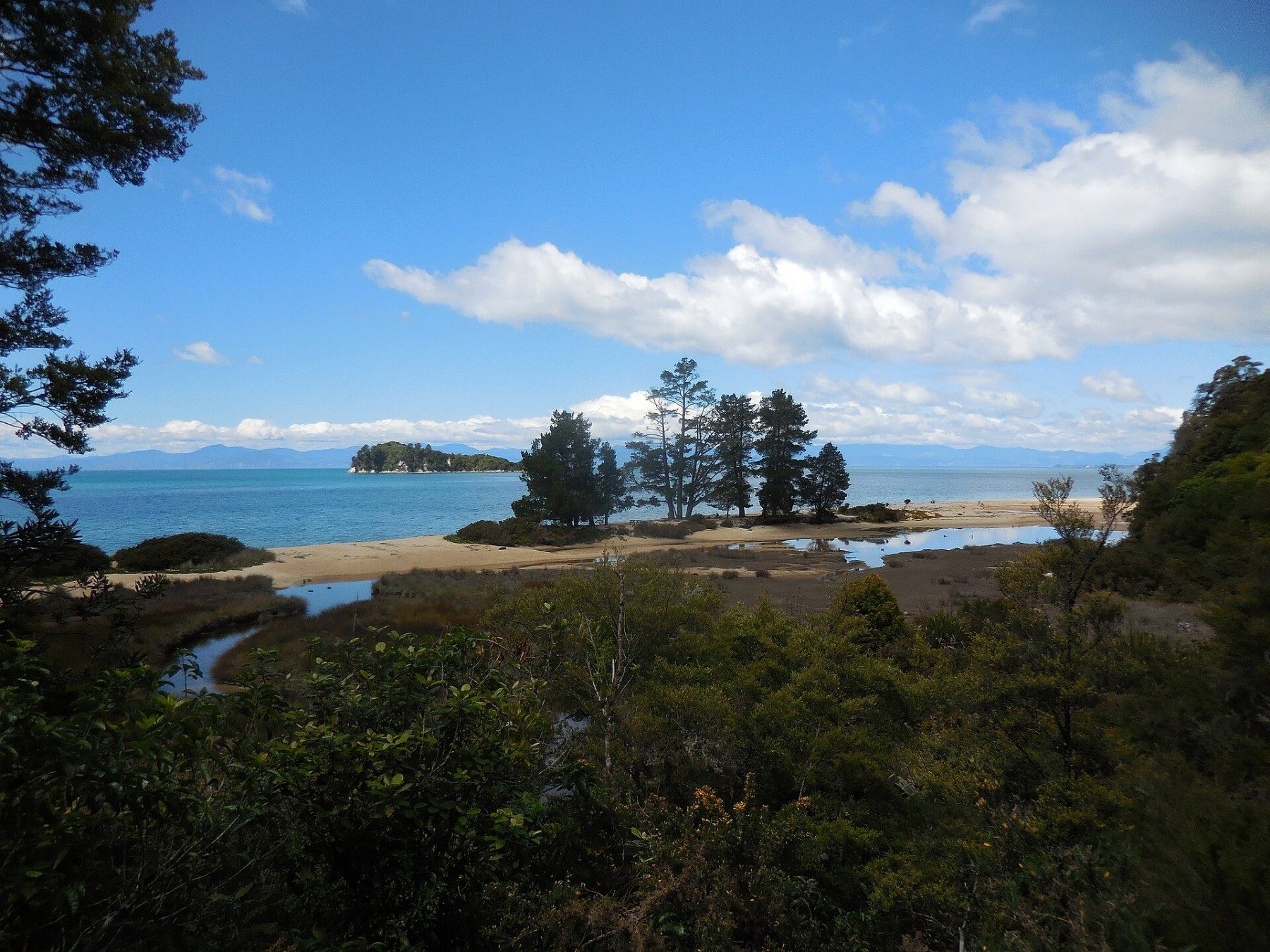
Abel Tasman works well when you choose a section that fits your day. DOC lists free day walking, with separate charges for overnight huts and campsites. Read the selected route before booking a water taxi. Awaroa Inlet has a tidal crossing and no alternative track around it; the tide can decide your order of travel. 17
For a southern road trip, start in Christchurch and work through Lake Tekapo toward Queenstown. Tourism New Zealand’s route follows this sequence. Build in a lake stop so you can unpack once and spend the next morning outside, instead of taking every view through a windscreen. 12
Te Anau is a practical Fiordland base beside its lake, with access toward Milford Sound and the Great Walks. Search lodging in the town centre or along the lakefront, then check the pickup for your boat-and-coach outing. Queenstown works as the final base when your onward flight leaves there. 10
Keep Milford Sound sightseeing separate from the four-day Milford Track. The independent walk uses three booked hut nights. Its approach runs by road to Te Anau Downs, then boat to Glade Wharf; its finish needs a boat from Sandfly Point. Match the surrounding hotel nights to those transfers. 18
For a short trip, leave Abel Tasman for another visit if Fiordland is the main reason for coming. For a longer trip, give the transfer south an overnight stop instead of forcing a late arrival. The extra bed costs money, but it also buys a usable next morning. Compare that with the cost of a day lost to fatigue.
How do you travel between the islands?
Treat Cook Strait as a transfer day. Interislander and Bluebridge connect Wellington and Picton, each allowing about 3.5 hours at sea. Add the journey to the correct terminal, check-in and time to get off the ship. Avoid attaching a fixed long-distance drive or an international flight to the end of this day. 1, 2
| Operator | Published crossing | Booking decision |
|---|---|---|
| Interislander | About 3.5 hours | Check vehicle or foot-passenger place |
| Bluebridge | About 3.5 hours | Check sailing restrictions and vehicle place |
Wellington-Picton in either direction. Times exclude terminal access and check-in. Request a fare for your actual sailing, passengers and vehicle dimensions.
Interislander’s final check-in is 60 minutes before departure for vehicles and foot passengers. Its Wellington station shuttle leaves Platform 10 at the railway station 70 minutes before sailing. Confirm that connection for your departure and arrive at the platform ahead of it. Bluebridge passengers should follow the check-in time on their own booking. 1
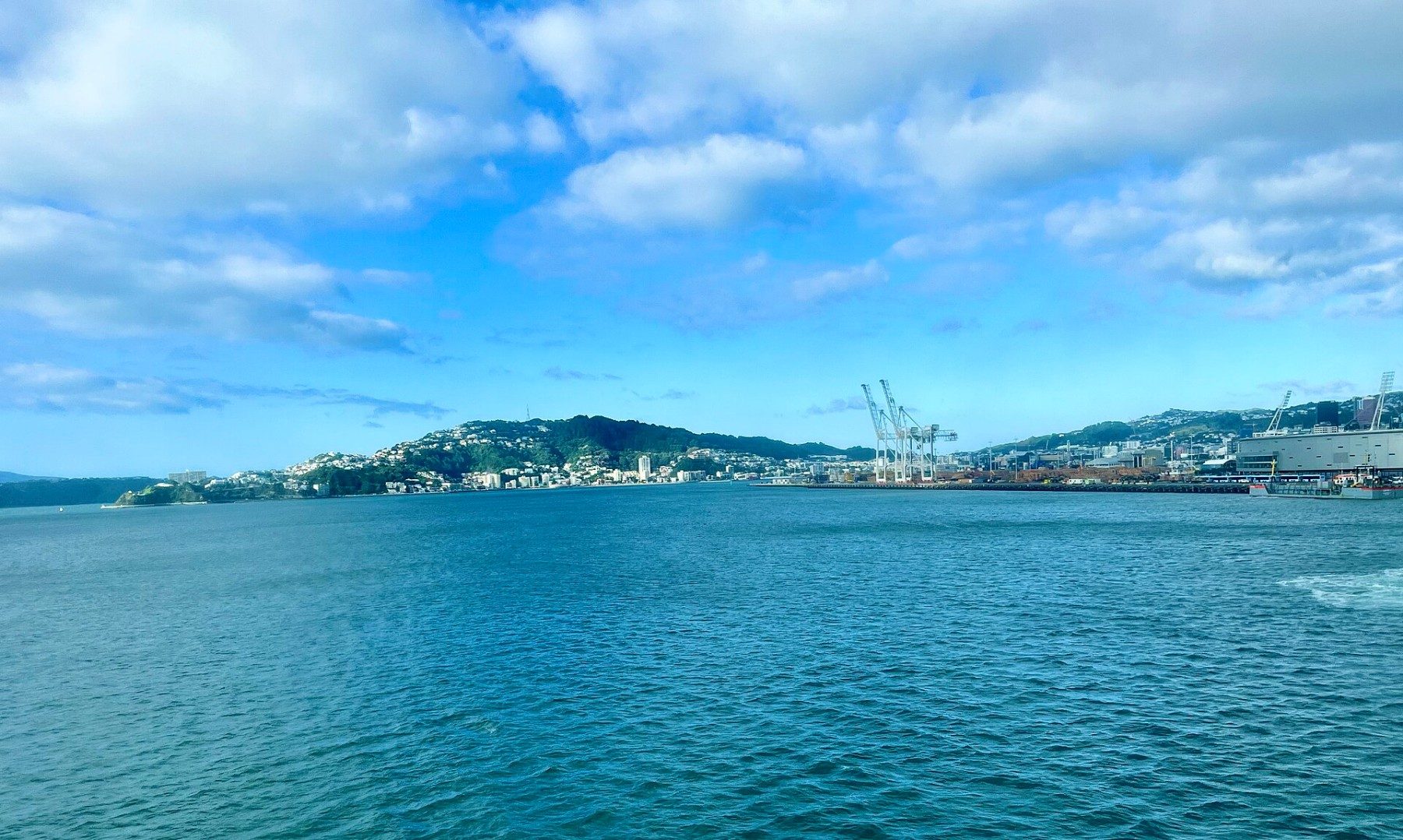
Decide what happens to the rental car before choosing a ferry ticket. Compare one car carried across with two separate hires and a foot-passenger crossing. Put the rental company’s permission, any island restrictions and the next depot’s opening hours in writing. A cheap passenger fare solves only one part of the transfer.
Interislander’s online credit and debit card payments add a non-refundable 1.75% fee. Its Saver fare also has change fees and any higher fare difference. Read the fare conditions beside the flexible alternative while both totals are on screen. Cash is not accepted in its terminals or aboard. 19
Pack a small crossing bag with the items you want during the voyage, plus what you would need if arrival ran late. Keep the next lodging address and contact details offline. If a delay means arriving after reception closes, use the operator’s update to arrange late access before you lose a useful connection.
- Vehicle booking: enter the actual vehicle size and include any carried equipment in the operator’s required measurements.
- Split hire: allow time to return the first car and reach the port with all bags.
- Arrival: choose a reachable first-night stop and keep the next morning flexible.
How long do road trips really take?
A map estimate is the driving part of the day. Tourism New Zealand lists Auckland-Wellington at about eight hours and Christchurch-Queenstown at about six hours ten minutes. Those figures help reveal the scale of a route. Meals, viewpoints, traffic and weather belong on top, before you add an activity at the other end. 14, 20
| Endpoints | Approximate driving time | MMT use |
|---|---|---|
| Auckland-Wellington | 8 hours | Split the North Island route |
| Christchurch-Queenstown | 6 hours 10 minutes | Add a lake stop |
Tourism New Zealand estimates, checked 28 September 2026. These are not live traffic predictions or elapsed sightseeing-day totals.
Drive on the left and take time to learn the local road layout. NZTA’s visitor guidance covers narrow, winding roads as well as fatigue. Read it before collecting a vehicle. Plan the first leg in daylight, put the phone away and use a passenger for directions when one is available. 8
For each transfer, write down three times: when you leave the room, when you expect to reach town and the latest check-in you have booked. The gap between the last two is your margin. If it disappears when you add lunch, shorten the route. Move a viewpoint to the next morning instead of rushing the drive.
Carry your valid overseas licence. If it is not in English, NZTA requires an accurate English translation or an accepted international driving permit alongside the original. NZTA flags a licence-duration change from November 2026; travellers making longer stays should check the transition rules for their arrival date. 21
The rental quote needs a separate look. Record the excess, roadside help, extra-driver terms, fuel policy and one-way charge before comparing totals. For winter routes, ask which roads the contract permits and how required equipment is supplied. Keep photographs of the vehicle’s condition at collection and return with the rental paperwork.
How much do Great Walk huts cost?
Compare the same kind of night. DOC’s rates below are for international adults, per person per hut night, checked on 28 September 2026. Count your required nights before adding transport. The cheapest night and the cheapest complete trip can be different choices. 23
Table view: International adult summer hut fees
| Item | Value (NZD per person per hut night) |
|---|---|
| Tongariro Northern Circuit | 66 NZD per person per hut night |
| Abel Tasman Coast Track | 84 NZD per person per hut night |
| Routeburn Track | 132 NZD per person per hut night |
| Milford Track | 152 NZD per person per hut night |
Adults 18+; GST included. Food, gear and transport extra. General summer table: October-April. Milford season: 1 November 2026-30 April 2027. Routes require different numbers of nights. Source: 23, 18
| Track | NZD per person per hut night |
|---|---|
| Tongariro Northern Circuit | 66 |
| Abel Tasman Coast Track | 84 |
| Routeburn Track | 132 |
| Milford Track | 152 |
Same adult eligibility, seasonal dates and exclusions as chart; GST included. No currency conversion.
The Milford itinerary requires three hut nights. At the listed international adult rate, that is NZD 456 for huts alone. Book the track dates first, then fit the boat and road connections around them. A hut booking without a way to reach the start or leave the finish is an incomplete plan. 18, 23
The lower New Zealand rate covers citizens and people meeting DOC’s ordinary-residence rules. Those rules include living in New Zealand for at least six of the preceding twelve months, an eligible residence, work or student visa, and New Zealand as the main established home. Carry proof and check the assessment date with DOC if you have recently moved. 24
Choose the walking experience before the cheapest bar. A lower nightly fee can still produce a larger trip bill if it needs another hotel night, special transport or equipment hire. Add those costs for the whole party. A day walk from an existing base can be a better use of both money and time.
- Before booking: agree on the route, each person’s pace and the dates everyone can walk.
- After booking: reserve the transport that matches those exact dates and endpoints.
- Before leaving town: collect food, check the equipment list and save the booking confirmation offline.
For the independent Milford walk, carry all meals and snacks; DOC says food is unavailable on the track. Make a meal plan before shopping so the group shares cooking equipment without carrying needless duplicates. Test the loaded pack on a walk at home. Use the adventure planning pages to keep the outdoor part of your trip together. 18
When should you travel?
Choose the season for the activity and elevation. NIWA describes a country ranging from a warm far north to a cool far south, with severe alpine conditions in the mountains. The Southern Alps divide a wet western side from much drier areas to the east. A national weather summary is too broad for a walking decision. 25
| Trip priority | Planning approach |
|---|---|
| Summer walking | Match dates to the track’s staffed season |
| Winter alpine travel | Plan for specialist skills and equipment |
| Mixed city and outdoor trip | Keep indoor days movable |
These are MMT planning choices, not a forecast. Check the local forecast and DOC alerts for the particular track.
For a first walking holiday, build around the staffed Great Walks season of the chosen track. Milford’s 2026/27 season runs from 1 November to 30 April, with the last departure on 28 April. Snow and cold weather can still occur. A calendar date sets the service season; it leaves the daily conditions to be checked. 18
The Tongariro crossing’s winter period, from May to late October, brings snow, ice and avalanche terrain. DOC calls for special skills and preparation. If those are outside your experience, plan another activity or a suitable guided option after discussing your ability with the operator. Keep the nearby town stay even when the alpine day changes. 9
Weather flexibility works best within a base. Put the outdoor day early in a three-night stay and leave another day open. Keep a short walk, a local meal and an indoor visit as alternatives you would enjoy. Trying to outrun a poor forecast across half an island turns free time into driving time.
Pack for the wet day you might actually take, then consider what happens to wet clothing that night. A room with space to dry gear can matter more than a better view. Keep a dry set of clothes separate from the walking kit, and arrange laundry on a town day instead of between two tight transfers.
Māori-led visits and time for food
Book with the people telling their own place’s story. Whakarewarewa’s residents host visitors in a living village; Te Ana in Timaru presents Ngāi Tahu rock art and runs education work for future guardians. These visits belong in the route as full experiences, with time to listen and ask about the work being done today. 11, 26
| Experience | Adult NZD | Scope |
|---|---|---|
| Whakarewarewa All-Day Pass | 123.30 | 1 Oct 2026-30 Sep 2027 |
| Te Ana centre tour | 36 | 1-hour centre visit |
| Te Ana centre and site tour | 191 | 4-hour Timaru and Ōpihi visit |
Whakarewarewa: adult 16+, guided village visit, self-guided geothermal trails and performance; meals are outside the listed pass inclusions. Confirm the checkout total and any fees.
Te Ana’s table shows adult retail rates for ages 18+, valid 1 July 2026-30 June 2027, with GST included. Its published minimum is five participants; the centre maximum is 35 and the combined-tour maximum is 25. Independent visitors self-drive for the site tour. Confirm a departure that accepts your party size. 27
Te Ana’s centre is at 2 George Street in Timaru. Book before shaping a drive around it: private bookings can limit availability. The centre visit and a visit to the rock-art site are different products. Choose the one that fits your time and interest, then leave space on either side so the guide can finish without your next booking pressing. 26
At Whakarewarewa, the geothermal trails and village visit offer different parts of the experience. The provider describes hot-pool and steam cooking during its guided visit. If a meal matters to your day, add a named food booking and its serving time; the pass’s listed inclusions should not be read as a lunch reservation. 11
Follow the welcome and photography guidance given on site. Let the guide set the boundaries around homes, artworks and places used by the community. Buying a ticket provides the access described in that ticket. For anything beyond it, ask first and accept the answer without bargaining for a photograph.
Keep food plans simple on transfer days. Book one meal you care about, then leave other lunches flexible. For a room with a kitchen, buy a short list you will finish before the next move. A larger grocery shop makes sense when you stay several nights; a bag of unused food complicates a flight or a walking departure.
- Before a guided visit, read what the ticket includes and arrive with time to spare.
- Before a meal, name any dietary need directly and get a clear answer from the kitchen.
- Before a track departure, divide shared food and keep the first day’s lunch within reach.
Paying, phone data and a usable trip budget
Build a total for your route. Start with the nights you will actually book and the transport you will actually use. Keep costs per room separate from costs per person. Two friends sharing a room still need two hut places, while the cost of a shared car belongs to the vehicle before you divide it.
Use the travel money pages alongside a simple worksheet: lodging, ground transport, booked activities, food and a reserve. Enter the full checkout amounts. Mark deposits separately from balances still due, so an apparently cheap day does not hide a large payment that arrives later.
For car travel, include parking and one-way charges beside the hire total. For ferries, compare the whole party and vehicle, plus payment fees. For walks, add the nights before and after the route. These are the costs most likely to fall between categories when one person books the rooms and another books the transport.
Consumer Protection says cash totals round to the nearest ten cents, while card payments use the exact amount. Carry a backup payment method and check each terminal amount before approving it. Keep enough available balance for the costs you have left to pay, separate from the money already committed to deposits. 28
Choose mobile data by the work your phone will do. Offline maps and saved tickets reduce the need for a large allowance; video calls need more. Check device compatibility before buying an eSIM. Keep the activation instructions available on another device or as a saved file so you can complete setup without searching your email.
One NZ offers physical Travel SIMs and eSIMs. For an existing Travel SIM, its extra-data option was NZD 20 for 2 GB, lasting 60 days from purchase, when checked on 28 September 2026. Buy that as an add-on to an active plan, with sufficient credit. Compare the base plan’s full inclusions before choosing it. 29
The Commerce Commission’s connectivity map uses provider data dated 30 June 2025. Use it as an initial area check, then consult the network’s current coverage for the place you will stay. For work calls, reserve a town day and confirm the room’s connection. A hut night is a good place to put the calendar on hold. 30
Two routes you can copy
Count nights and protect full days. These are MMT road-trip plans, with transfers arranged around the places discussed above. They assume suitable road and track conditions and leave the long walks as separate additions. Check your flight dates before booking the final night; an early departure can require a different last base.
- 01Auckland2 nights
Use the arrival night to rest and the next day to settle in. Buy only what you need for the first road leg. Keep the first timed activity off the landing day.
→ AirportLink and city train on arrival; collect a car after resting. - 02Rotorua3 nights
Give a village visit its own day, then keep another day for a local outing or a slower morning. Leave the car parked for part of the stay when your chosen base allows it.
→ Drive from Auckland; plan a daylight arrival. - 03Whakapapa or National Park3 nights
Put the intended walking day first and retain a second full day to respond to conditions. Agree on a shorter alternative in advance, so a changed forecast still leaves a day to enjoy.
→ Drive from Rotorua; use a booked shuttle for the crossing. - 04Wellington3 nights
Finish with a city day and room to prepare for the next journey. Return the car at the time that best fits the fare and the depot, then keep the remaining plans close to your base.
→ Drive south; depart by flight or separately booked Cook Strait ferry.
With less time: With seven nights, stay in Auckland and Rotorua and arrange departure from Auckland. Keep Tongariro and Wellington for a longer route rather than using every day to change hotels.
- 01Christchurch2 nights
Rest after arrival, collect the car and shop for the first few days. Use the second morning to check the road plan before heading toward the lakes.
→ Arrive in Christchurch; collect a car when rested. - 02Lake Tekapo3 nights
Break the journey through the lakes with two full days. Keep one outing weather-dependent and the other flexible. Choose lodging by where you want to spend your evenings.
→ Drive from Christchurch via the inland lake route. - 03Te Anau4 nights
Make Fiordland the main stay. Place the booked boat or guided day early, with spare time afterward. A multi-day Great Walk needs its own extra nights and a revised transport plan.
→ Continue south via Queenstown; check road conditions before setting out. - 04Queenstown3 nights
Finish near the onward airport with a day free of driving. Use the last evening for packing and the rental return plan, instead of arriving from a distant base at the last moment.
→ Drive from Te Anau; depart from Queenstown.
With less time: With eight nights, concentrate on Queenstown and Te Anau. Remove Christchurch and Tekapo by changing the arrival airport if flight options and prices suit.
For a two-island holiday, combine selected bases and add the connecting nights before adding more activities. A ferry route brings Wellington and Picton into the plan; a flight changes the start of the second hire. Keep one shared version of the itinerary so everyone sees the same departure times and payment deadlines.
Before a track or coastal stay
Leave a plan someone can act on. DOC advises sharing your route and an overdue time before heading into Fiordland. Give a trusted contact the walk name, party size and expected finish, then agree when they should raise the alarm. Tell them when you return or change the plan. 22
Call 111 for an emergency involving police, fire or ambulance. Save the number before you need it. In town, note the street address of your lodging; on a walk, keep the route name and next hut or landmark accessible. Clear location details are more useful than a photograph of a distant peak. 7
The Milford Track has no cellphone coverage. For Fiordland backcountry travel, DOC recommends a mountain radio or personal locator beacon. Arrange suitable emergency communication before leaving town, and learn how to use it. Keep the device where you can reach it, with the rest of the group aware of its location. 18, 22
At the coast, strong shaking that makes standing hard, or shaking lasting more than a minute, is a natural tsunami warning. Once the shaking stops, move to high ground or inland immediately. Follow evacuation signs and act without waiting for an official alert. Read the local evacuation route when you arrive at coastal lodging. 31
- Save the current track alert and forecast before leaving a connected area.
- Carry the clothing and food required for the route, plus a reserve for delay.
- Choose an alternative outing before the forecast forces the decision.
Leave the last night of a major road trip near the departure airport. That night can also absorb laundry, repacking and the return of hired gear. Keep enough money uncommitted to change a room or transfer when necessary. Flexibility is most useful when the calendar and the budget both have space for it.
New Zealand travel questions, answered.
Find the practical detail you need, or browse by topic.
Do Australian citizens need an NZeTA?
Australian citizens are among the travellers who need neither a visa nor an NZeTA. Australian permanent residents have different requirements. Run the official checker using the passport and status you will travel with; living in Australia alone does not establish the same entry route. 4
Should I declare sealed food and used hiking boots?
Read the declaration questions for all food and used outdoor equipment, including items in checked baggage. When unsure, tell the biosecurity officer. A sealed packet or clean-looking boot still needs to be considered under the declaration rules. Keep those items accessible so inspection is straightforward. 6
Can I book an overnight sailing as a foot passenger?
Check the specific sailing’s passenger restrictions. Interislander’s timetable includes overnight commercial-vehicle-only departures that exclude foot passengers. Choose an eligible departure before planning a late arrival at the terminal. For any operator, match the ticket to your passenger type and the sailing shown on the confirmation. 1
Are international children free in Great Walk huts?
DOC’s summer table charges international children aged 0-17 on the four tracks shown here. They need places in the booking too. Price the family by each traveller’s age and eligibility, rather than multiplying the adult total or assuming young children are free. 23
Can I cross Awaroa Inlet whenever I reach it?
No. DOC’s stated window is from 1 hour 30 minutes before low tide to 2 hours after. Cross only in daylight when safe; weather and tide height can affect the window. There is no track around the inlet. Use the tide table before choosing the night’s hut or campsite. 17
Can two people use the published Te Ana group rate?
The amounts here are retail prices from a trade sheet, not its discounted wholesale prices. The sheet lists a five-person minimum. Ask Te Ana which departure can accept two independent visitors and obtain the total before arranging your drive around it. The centre-only ticket excludes the separate rock-art site visit. 27
Can I fit both islands into ten nights?
You can design a short trip around flights and a few bases, but MMT suggests spending those nights on one island. Keep two islands only if each has a specific priority you value more than extra time on the ground. Remove intermediate stops first and price the transfer as a whole day.
Should I book a campervan to save on hotels?
Compare the complete quote with a car and rooms for the same dates. Include fuel, campsite charges, parking, equipment, insurance terms and the final cleaning requirements. Choose the van because you want that style of trip. Count paid camping nights in the worksheet before deciding that the sleeping space saves money.
Is a coverage map enough for remote work?
Use it to shortlist places, then check the connection at the exact lodging. The Commerce Commission map describes a dated national dataset, not the performance of a particular room. For an important call, schedule a town day, test the connection on arrival and keep a backup location in reach. 30
No answers match those filters. Try a broader word or choose all topics.
Sources & review.
Researched 2026-09-28. Prepared from primary sources, with a separate independent source review. Numbered notes in the text point to the sources below. Prices, entry rules and schedules change; use the linked authority for your dates.
- 1Cook strait ferry Interislander / KiwiRail · Accessed 2026-09-28 · Primary source
- 2Cook strait ferry Bluebridge Cook Strait Ferries · Accessed 2026-09-28 · Primary source
- 3Airport services Auckland Transport · Accessed 2026-09-28 · Primary source
- 4NZeTA eligibility and travel requirements Immigration New Zealand · Accessed 2026-09-28 · Primary source
- 5Visa fees and the International Visitor Levy Immigration New Zealand · Accessed 2026-09-28 · Primary source
- 6Biosecurity and customs New Zealand Customs Service · Accessed 2026-09-28 · Primary source
- 7Visitors to New Zealand: safety New Zealand Police · Accessed 2026-09-28 · Primary source
- 8Visiting New Zealand: driving guidance NZ Transport Agency Waka Kotahi · Accessed 2026-09-28 · Primary source
- 9North island track booking Department of Conservation Te Papa Atawhai · Accessed 2026-09-28 · Primary source
- 10Te Anau and Fiordland gateways Tourism New Zealand · Accessed 2026-09-28 · Primary source
- 11Whakarewarewa All-Day Pass and dated prices Whakarewarewa The Living Māori Village · Accessed 2026-09-28 · Primary source
- 12Christchurch to Queenstown via Lake Tekapo Tourism New Zealand · Accessed 2026-09-28 · Primary source
- 13South City train line Auckland Transport · Accessed 2026-09-28 · Primary source
- 14North island route choice Tourism New Zealand · Accessed 2026-09-28 · Primary source
- 15Mārahau Tourism New Zealand · Accessed 2026-09-28 · Primary source
- 16Kaiteriteri Tourism New Zealand · Accessed 2026-09-28 · Primary source
- 17Abel Tasman Coast Track Department of Conservation Te Papa Atawhai · Accessed 2026-09-28 · Primary source
- 18Fiordland track logistics Department of Conservation Te Papa Atawhai · Accessed 2026-09-28 · Primary source
- 19Cook strait ferry Interislander / KiwiRail · Accessed 2026-09-28 · Primary source
- 20South island route choice Tourism New Zealand · Accessed 2026-09-28 · Primary source
- 21Driving NZ Transport Agency Waka Kotahi · Accessed 2026-09-28 · Primary source
- 22South island practical safety Department of Conservation Te Papa Atawhai · Accessed 2026-09-28 · Primary source
- 23Great Walk hut and campsite prices Department of Conservation Te Papa Atawhai · Accessed 2026-09-28 · Primary source
- 24Great Walks New Zealand rate eligibility Department of Conservation Te Papa Atawhai · Accessed 2026-09-28 · Primary source
- 25Weather distinctions Earth Sciences New Zealand / NIWA · Accessed 2026-09-28 · Primary source
- 26Te Ana centre and tours Te Ana Ngāi Tahu Māori Rock Art · Accessed 2026-09-28 · Primary source
- 27Te Ana 2026/27 retail and wholesale rates Te Ana Ngāi Tahu Māori Rock Art · Accessed 2026-09-28 · Primary source
- 28Payments New Zealand Consumer Protection · Accessed 2026-09-28 · Primary source
- 29Connectivity One New Zealand · Accessed 2026-09-28 · Primary source
- 30Connectivity New Zealand Commerce Commission · Accessed 2026-09-28 · Primary source
- 31Coastal safety New Zealand National Emergency Management Agency · Accessed 2026-09-28 · Primary source