Vietnam travel guide
Choose your region, arrive with a plan, and spend on the parts of Vietnam you most want to see.
- For a first week, choose one region; for two weeks, join two. Keep a final night near your departure airport.
- Build a central trip around Hue and Hoi An, using Da Nang as the transport gateway. 1, 2
- Choose a trek for the walking experience, then compare the full stay cost, including travel to Sapa and nights before and after it.
- Carry dong for small purchases and a card for larger bills. 3
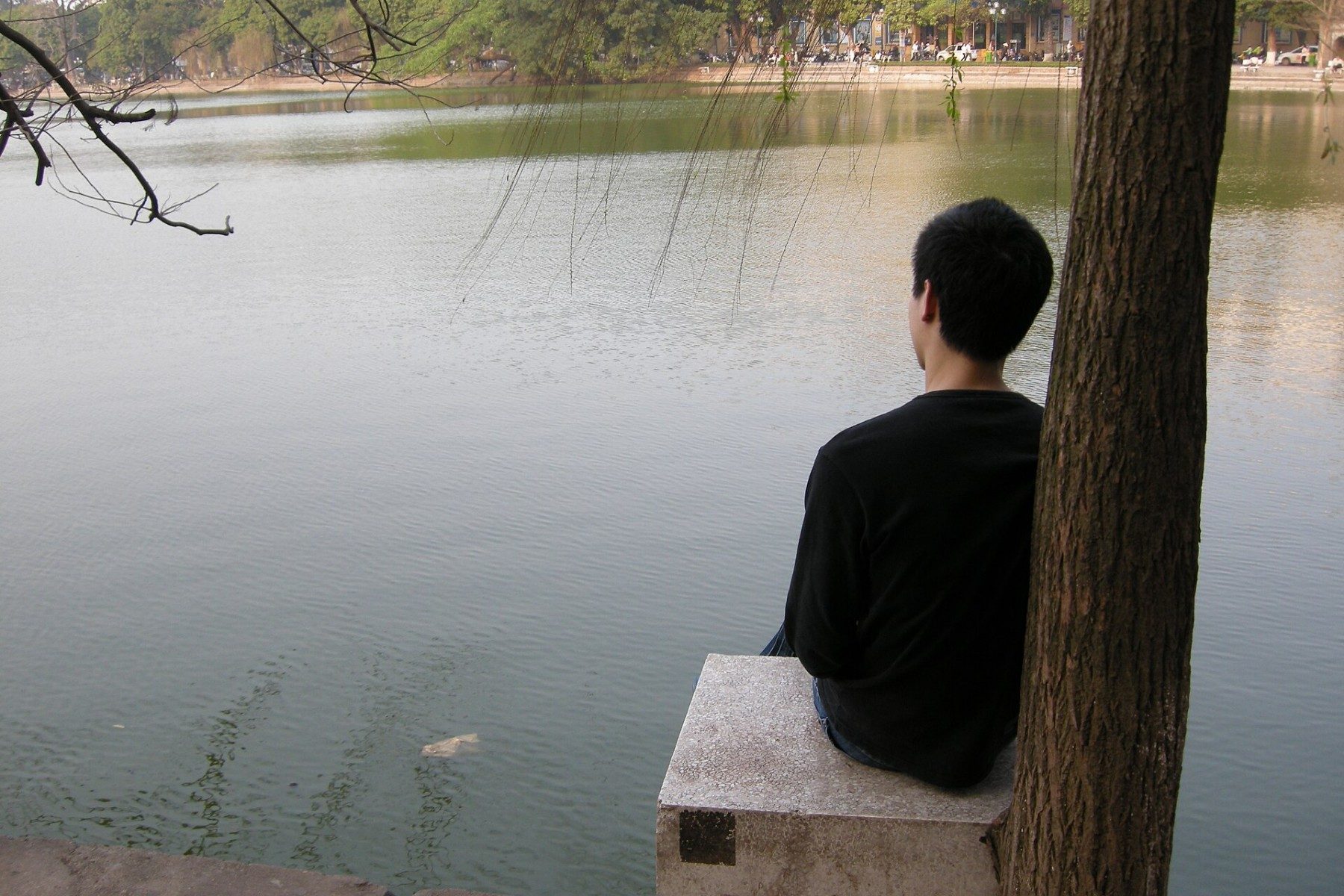
Make room for a lake walk in Hanoi, a full day in Hue, or a morning on the river in Can Tho. This guide helps you choose a Vietnam trip with time to enjoy each stop. Start with one region, add a second if your nights allow, then price the journeys between them.
The routes and suggested night counts below are MMT planning choices. Ticket prices and transport details come from the named providers and public authorities, checked on 27 September 2026. Use the regional plans as starting points, then adjust them around the weather, your pace and the flights you can actually book.
The essentials, at a glance.
- Currency
- Vietnamese dong, VND. 3
- Entry
- Check passport-specific exemption or e-visa eligibility with Vietnamese immigration. 4
- E-visa fee
- USD 25 single entry; USD 50 multiple entry, checked 27 September 2026. 4
- Northern gateway
- Noi Bai Airport for Hanoi; bus 86 links the airport and Hanoi Railway Station. 5
- Central gateway
- Da Nang has an airport, trains and onward road transport to Hoi An. 1
- Southern gateway
- Tan Son Nhat Airport serves Ho Chi Minh City. 6
- Cash
- Keep small-purchase cash separate from your main reserve. 3
- Phone registration
- Bring your physical passport and an unlocked handset to an official carrier counter. 7
- Emergency help
- Ambulance 115; fire 114; police 113. Calls are answered in Vietnamese. 8
- Planning pace
- MMT suggests two or three bases for a week to ten nights.
Which part of Vietnam should you visit?
Choose the trip you want to wake up in. Hanoi and a northern extension suit a city-and-outdoors week. Hue and Hoi An give a central trip two distinct historic stops. Ho Chi Minh City and the Mekong Delta make a southern pairing. An island stay belongs in the plan only when you have nights to spend there after the transfer.
| Region | Suggested base sequence | Nights |
|---|---|---|
| North | Hanoi, Tam Coc, Hanoi | 7 |
| Central | Hue, Hoi An, Da Nang | 8 |
| South | Ho Chi Minh City, Can Tho, Ho Chi Minh City | 7 |
Begin with the two experiences you would most regret missing. Give those the best days, then fit meals, walks and smaller visits around them. If your answer is a trek and time in Hanoi, start in the north. If it is the Imperial City and Hoi An, stay central. There is no need to cross the country to make the trip feel complete.
Count nights before you count destinations. A two-night booking usually leaves one full day between arrival and departure. A late flight can turn the first night into little more than sleep. Put the transfer on the calendar before adding a cooking class, boat trip or timed visit to that same day.
For ten nights, choose one region with an extension or two regions with a flight between them. For fourteen, two regions leave more space for weather changes and slow mornings. A three-region trip can work when you accept the extra airport days. Price it beside the two-region version before deciding how much variety is worth.
- Travelling with children: protect the first afternoon and plan one main outing per day, with an easy meal nearby.
- Travelling for food: stay several nights in each base so a good lunch can change the rest of your afternoon.
- Travelling for walking: put the trek early enough to move it if conditions turn poor, and leave a recovery day before the long journey out.
If Vietnam is one stop in a longer trip, use the country travel guides to choose the next country before applying for entry permission. Write every border crossing into the route, including a return through Vietnam for your flight home. That single choice affects the visa type, flight sequence and nights you need to reserve.
When is the best time for your route?
Match the month to the stops. The national tourism weather guide separates Hanoi, Hue, Hoi An, the southern mainland and Phu Quoc. Its seasonal patterns make a useful first filter; the short-range forecast decides the boat trip or mountain day. 9
| Place | Planning window | Wetter or colder period |
|---|---|---|
| Hanoi | September-November cooler and clearer | June-August hot and rainy; December-March cool or cold |
| Hue | March-August generally sunnier | September-February rainy |
| Hoi An | February-August generally sunnier | September-January rainy; autumn flood risk |
| Ho Chi Minh City and Mekong | December-April clearer | May-November hot, humid, intermittent rain |
| Phu Quoc | Check island forecast separately | July-September stormier |
Read those windows as a way to choose priorities. On a winter trip, decide whether beach time or northern city walks matter more. For an autumn heritage trip, make refundable bookings valuable parts of your plan. A good hotel location helps on a wet day, but a room discount is poor compensation for a route that depends on every road and boat running.
Pack for the actual pair of regions. If you combine a northern stay with the south, keep a warm layer accessible instead of burying it under beach clothes. Separate a small day bag from the main luggage so rain protection, spare clothes and a dry phone pouch stay with you during transfers.
Weather decisions work best when they happen before a deposit becomes costly. Mark the last free-cancellation date beside each hotel and tour. Review the forecast then, again before a long transfer, and once more on the activity day. An operator cancelling a trip is a reason to use the spare day, not to find someone willing to leave anyway.
Do you need an e-visa for Vietnam?
Check your passport before buying a visa. The official system has an exemption section as well as applications. On 27 September 2026, its published e-visa terms allowed up to 90 days and single or multiple entries. Your granted dates and entry conditions govern the trip. Use the official e-visa portal to check the route you intend to take. 4
| Application | Fee (USD) | Coverage |
|---|---|---|
| Single entry | 25 | One entry within granted validity |
| Multiple entry | 50 | Multiple entries within granted validity |
The government fee is non-refundable if the visa is refused. Bank, currency-conversion or agent charges are outside these figures. Check eligibility and the designated border-gate list in the current application.
Make a single page of trip details before opening the form: passport identity, arrival date, departure date, first accommodation and intended crossings. Copy names and numbers from the passport itself. Ask a travel companion to compare the completed fields with the document, or check them once more after a break. A correct form is worth more than a fast submission.
The Immigration Department application instructions describe a passport-page image, a portrait, payment and a registration code used to retrieve the result. They quote three working days for processing. Apply with room for corrections and check the result before committing to travel that would be hard to change. 10
- Save the application reference, the email used and the final permission in a place you can reach offline.
- Compare the issued name, passport number, validity dates and entry type with the trip before departure.
- Keep the same document set available for an onward airline check and the return journey, especially when leaving and re-entering Vietnam.
Treat an international side trip as a separate planning decision. Sketch where you leave Vietnam, where you return, and whether the last flight connects without entering the country again. If the ticket involves separate bookings or collecting luggage, check that sequence with the airline. Resolve the route before deciding which entry permission to buy.
Your first afternoon: Noi Bai to Hanoi
Book the first bed before the first long ride. For a short Hanoi stay, start your room search in the Old Quarter or around Hoan Kiem Lake. The Old Quarter gives you streets such as Hang Bac, small shops and places to stop on foot. Choose a hotel entrance you can find easily with luggage. 11
Before landing
Save the hotel name, full address, map pin and front-desk number offline. Keep the entry document and first booking together. If you have arranged a pickup, save the meeting point and the name shown on its sign. Let the hotel know the flight number when you arrange it.
After formalities
Complete immigration, baggage collection and customs before dealing with onward transport. In the public arrivals area, take a moment to check the time and battery level. A seated pause makes it easier to compare your choices than doing so while following someone toward a car.
Choose bus 86 or a car
Noi Bai Airport lists bus 86 between the airport and Hanoi Railway Station at VND 50,000 per trip, checked 27 September 2026. Its page lists a 07:00-22:15 service window. Confirm the next departure and your stop at the airport; reserve a taxi or prearranged car if the bus no longer suits your arrival. 5
Finish the hotel leg
For bus travel, save the route from your chosen stop to the hotel, including any final taxi ride. For a booked car, compare the driver and vehicle with the booking before loading bags. Keep the address visible until the driver confirms the destination.
Make the afternoon local
Drop the bags, eat near the hotel and take a short walk with an easy route back. Save the long outing for the next morning. Before bed, lay out the tickets, cash and day bag for that first full day so an early start requires little thought.
| Service and endpoints | Fare (VND) | Unit |
|---|---|---|
| Bus 86: Noi Bai Airport-Hanoi Railway Station | 50,000 | Per trip |
Published general fare; concessions, baggage conditions and any extra charges are not specified on the airport page. Confirm at boarding. Hotel transfer beyond the bus stop is separate.
For an arrival in Da Nang, choose between a city bed and going straight to Hoi An before arranging the pickup. Keep the first evening close to whichever bed you choose.
For Ho Chi Minh City, use Tan Son Nhat as the airport name when arranging a transfer. A base around Nguyen Hue or Ly Tu Trong puts your hotel search in the central sightseeing area. Save the exact entrance, as a street name alone leaves too much to sort out after a long flight. 6
Hanoi, Ninh Binh and a northern extension
Give Hanoi a full day before leaving it. Start with Hoan Kiem Lake and an Old Quarter walk, then choose one place to return to for dinner. Hang Bac and Ma May make useful names to pin on your map. Leave gaps between stops so the walk can include a coffee, a shop or a meal that catches your interest. 11
Ninh Binh offers waterways at Tam Coc and Trang An, limestone outcrops and the former capital at Hoa Lu. The tourism guide lists trains and buses from Hanoi and lodging around Tam Coc. 12
For rail planning, book to Ninh Binh station, then arrange the road leg to your room. 13
For two nights there, choose one boat outing and one other activity. You could spend the first afternoon near your accommodation, take the boat the next morning and leave the remaining hours open. That plan is easier to adjust than booking two water trips and a climb on a single day. Select the order after checking the forecast.
Ha Long Bay is the alternative when time on a boat is the main draw. Compare a day outing with an overnight sailing by the hours actually on the water, cabin arrangements and transfer endpoints. Keep the final night before an international flight back in Hanoi. A bay trip deserves its own space in the route, even when the booking includes hotel pickup.
Sapa suits a trip built around guided walking. Sapa Sisters describes a company owned and led by Hmong women from Muong Hoa Valley. Its guides take part in running the business. Book the walk as time with a professional guide, with the distance, pace and overnight arrangements agreed to suit your group. 14
- Choose Ninh Binh for a short extension with a room base and separate local outings; keep the last-mile transfer in the booking.
- Choose Ha Long when the boat itself is central to the trip; compare cabins, deck access, boarding port and cancellation terms.
- Choose Sapa when walking is the priority; leave time on each side of the trek for travel and rest.
For a week in the north, pick one of those extensions. With extra nights, combine two only after laying out their transfer days. If you keep returning to Hanoi between stops, use the same hotel when practical and request a written luggage-storage arrangement. Pack a smaller bag for the extension and keep travel documents with you.
Hue, Hoi An and the coast between them
Give Hue and Hoi An separate days. Hue centres a visit on the Imperial City, the Perfume River and royal tombs such as Tu Duc, Minh Mang and Khai Dinh. Phu Bai is its airport; Hue station is the rail gateway. For a first base, look around the river and Le Loi, then map the hotel against your chosen visits. 2
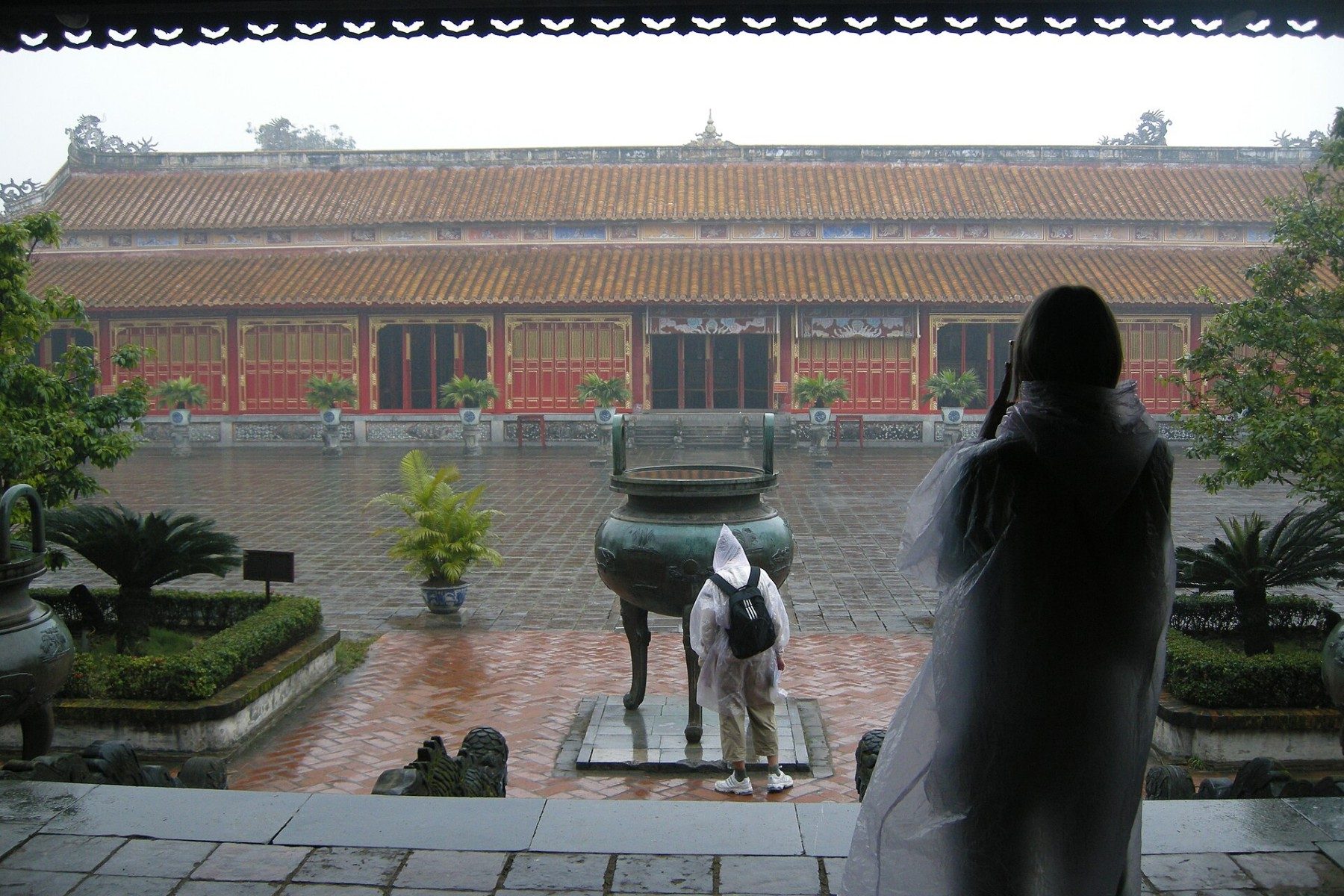
Use a full Hue day for the Imperial City and a meal break, with a separate half-day or day for tombs. Choose the tombs that interest you before paying for a multi-stop driver itinerary. Fewer stops leave more time to read, sit and look. If walking is tiring, split the largest visit across the part of the day when you feel best.
Between Hoi An and Hue, the tourism authority describes a full-day Hai Van Pass route of about 150 kilometres without detours. Decide whether the road journey is an outing or simply a transfer. A car with a driver can make the pass the main event. 15
A train between Da Nang and Hue gives you a separate rail option; add road transfers at each end. 13
For Hoi An, choose a room near the Ancient Town if evening walks matter most, or around An Bang if you want the beach to anchor the stay. The town and beach are separate areas, so include those journeys in the room comparison. Da Nang is the air and rail gateway for this part of the route. 16, 1
| Ticket | Price (VND) | Monument selection |
|---|---|---|
| Smaller selection | 80,000 | Bridge or Quan Cong Temple; two other monuments |
| Larger selection | 120,000 | Bridge or Quan Cong Temple; one museum; three other monuments |
Both include the Ancient Town visit and scheduled cultural activities. Valid during a stay of up to three days; keep the stub after using the monument entries. Under-16s are exempt. The listed 50% concession categories apply to Vietnamese visitors only. No separate tax is stated.
Buy the ticket that matches the interiors you want to visit, then spread them across your stay. Use the morning for one or two, pause for lunch, and keep the evening free to walk. Read the current ticket map before choosing the museum and house visits, so you use the included entries on places you actually want to see.
Da Nang can also earn a stay of its own. My Khe is the beach area to start with; the Museum of Cham Sculpture is a different focus for a city day. A room near the beach suits mornings by the sea, while an airport-night booking should be judged by its transfer arrangements. 1
Ho Chi Minh City, the Mekong and Phu Quoc
Choose one Mekong base and stay overnight. In Ho Chi Minh City, Nguyen Hue and Ly Tu Trong are useful starting points for a central hotel search. Cholon, including Binh Tay Market and Thien Hau Pagoda, gives you a separate area to explore. Group nearby stops into one outing so the day has time for a meal between them. 6
Can Tho works for a river-focused stay. Start the room search around Ninh Kieu Wharf and Hai Ba Trung Street. The tourism authority describes Cai Rang as an early-morning market, with activity around 04:30-08:00. Sleep in Can Tho before the outing, then agree the pickup and boat meeting point the evening before. 18
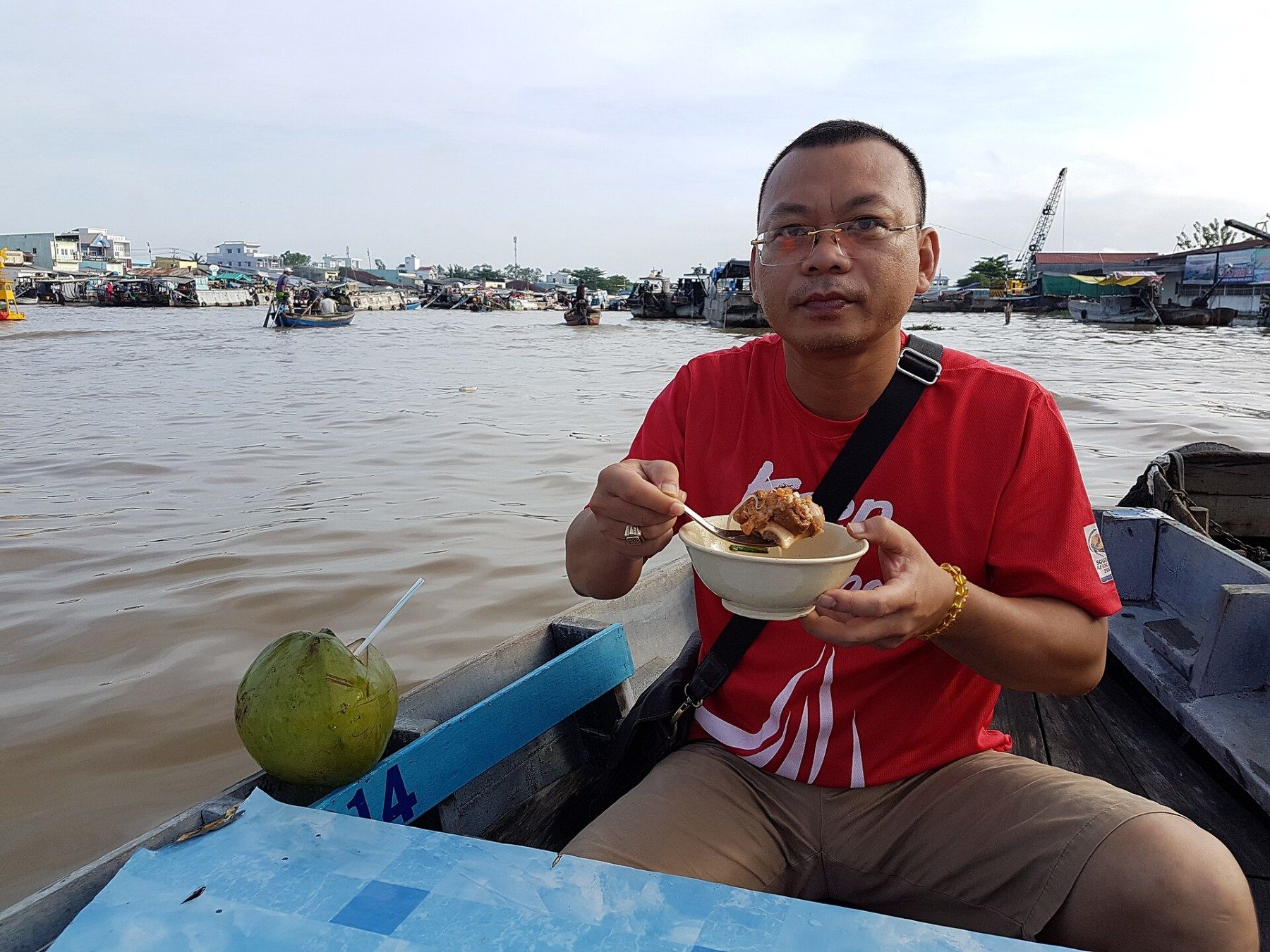
Leave the afternoon after an early boat trip open. It is a useful place in the route for rest, laundry or a second short walk. Before booking, decide whether your boat outing should focus on the market or include extra stops. A longer itinerary is worthwhile only when those stops interest you and fit the pace you want.
Vinh Long is another option. Mekong Pottery Homestay describes itself as a family-run business with three rooms, operating since 2019. Its pottery-village outing visits working pottery and brick-making sites by motorbike with a driver. Treat a craft visit as time in a workplace: let the hosts set where visitors stand and when photographs are welcome. 19, 20
| Group | Price per person (VND) | Duration |
|---|---|---|
| Solo | 829,000 | Two hours |
| Two people | 691,000 | Two hours |
| Eight or more | 601,000 | Two hours |
Includes an English-speaking guide, motorbike with driver, water, helmet, rain poncho and entrance fees. Cash payment at the end of the stay. Add 20% on 1 January or 2 September; add 30% for the first five days of Tet. One child under 10 is free when sharing an adult’s motorbike. Confirm safe seating before using that offer. Taxes are not separately stated.
Add Phu Quoc when you want several nights whose main purpose is the island. The national tourism route links Ho Chi Minh City, Can Tho and Phu Quoc, but your travel dates should decide the order. Compare the available air journey with the road-and-ferry option before paying for the island room. 21
For a short southern trip, keep the city and one delta base. For a longer one, give the island its own block of nights and return to your international departure city early enough to absorb a delay. A final mainland night is a useful place to put the dinner or shopping you skipped at the start.
How should you travel between regions?
Price the whole transfer day. A train ticket, an air ticket and a road transfer buy different uses of your time. Compare hotel-to-hotel journeys: checkout, local ride, waiting, travel, arrival transfer and check-in. Put the total beside the fare, then choose the option that preserves the part of the trip you care about.
| Service and stations | Departure to arrival | Scheduled duration |
|---|---|---|
| SE3: Hanoi-Da Nang | 19:20 to 10:43 next day | 15 h 23 min |
| SE1: Hanoi-Saigon | 21:45 to 06:30 two days later | 32 h 45 min |
| SE3: Hue-Da Nang | 07:55 to 10:43 same day | 2 h 48 min |
Local times. These are timetable readings, not travel-date reservations. Confirm the selected service and seat or berth before paying.
Those timings make the decision concrete. Take the long train when the ride is part of the holiday and you have space for it. Compare flights when the next region is the reason for moving. For a shorter rail leg, choose a departure that leaves a useful afternoon at the next stop instead of forcing a very early hotel exit.
When buying a sleeper, compare the cabin and berth details, not just the train number. Check how many people share the compartment, which berth you are buying and whether your group sits together. Keep a small bag with the items you need overnight. Arrange the destination transfer before departure so a tired arrival has one clear next step.
For flights, compare the final total after adding the luggage you will carry. If you have separate tickets, allow for collecting bags and checking in again. Keep the airline booking reference in your own records even when an agent issued the ticket. Choose change terms that fit the weather exposure of the rest of your route.
| Ticket | Price (VND) | Scope |
|---|---|---|
| Cash single | 7,000-20,000 | Distance-based journey |
| Non-cash single | 6,000-19,000 | Distance-based journey |
| One-day pass | 40,000 | Unlimited journeys that day |
| Three-day pass | 90,000 | Unlimited journeys over three days |
The government fare notice includes passenger personal insurance. No separate tax or booking fee is listed. These are general fares; confirm payment method and pass validity at the station.
A metro pass earns its place when your planned stops line up with the line. Start with the actual stations and walking legs. For a day with just a return journey, compare two single fares with the pass. A pass bought out of habit can become another unused ticket in the bag.
What is worth paying for?
Build your total from your own bookings. Start with international travel, rooms and the large journeys within Vietnam. Add entry permission, local transfers and activities next. Keep those committed costs separate from meals and small purchases. This gives you a total you can change by removing one night, one move or one paid outing.
Choose trekking companions whose pace and interests fit yours. A cheaper group rate has little value if it turns the walk into a compromise. Compare the chart’s group bands only after deciding how you want to spend the day.
Table view: Sapa private day trek: price per person
| Item | Value (USD per person) |
|---|---|
| 1 person | 55 USD per person |
| 2 people | 45 USD per person |
| 3 people | 43 USD per person |
| 4 people | 39 USD per person |
| 5-7 people | 37 USD per person |
| 8-10 people | 32 USD per person |
Group size changes the per-person price. This is a private trek, not a seat in a guaranteed shared departure. Transport to Sapa and accommodation in town cost extra. Source: 23
| Group size | Price per person (USD) |
|---|---|
| 1 | 55 |
| 2 | 45 |
| 3 | 43 |
| 4 | 39 |
| 5-7 | 37 |
| 8-10 | 32 |
Includes private guide, lunch, valley entry and transport back to Sapa. Excludes travel to and from Sapa, town accommodation, drinks, personal expenses and insurance. Taxes are not separately stated. Groups of 11 or more require a separate quote.
Compare the complete Sapa stay with the alternative northern extension. Add both travel directions, the nights before and after the trek, and any meals outside the package. The activity price is only one line in that comparison. If the trip already feels rushed, spend on a longer stay in one place before adding another guided day.
- Pay for location when it saves repeated trips: compare the whole stay, including transfers, with the cheaper room farther from your plans.
- Pay for flexibility on the exposed parts of the route: a cancellable boat trip or changeable room can protect the rest of the holiday.
- Pay for a guide when their knowledge is the reason for the activity: choose a clear route, suitable pace and agreed meeting point.
Keep VND and USD amounts in separate columns until you use your own dated exchange rate. Record the rate your card or cash exchange actually gives you and any fee beside it. A conversion without a date hides the cost you are trying to compare. The travel money pages can help you plan how to carry and track the funds.
Make meals part of the route
Start with the dish tied to your stop. The national tourism food guide points to bún chả in Hanoi, bún bò Huế in Hue, cao lầu in Hoi An and bánh xèo in Ho Chi Minh City. Use those names as invitations to explore menus, then let your taste decide what to order again. 24
Choose one meal each day that has time around it. A breakfast before a fixed pickup needs to be close and simple; a free lunch can become the day’s main pause. On transfer days, keep food plans near the station, hotel or route you already have. There is little pleasure in racing across town for a bowl before racing back with luggage.
In Hanoi, bún chả brings pork to the table; in Ho Chi Minh City, bánh xèo is eaten with greens and dipping sauce. Hue’s bún bò Huế offers a breakfast direction, while Hoi An’s cao lầu gives you a noodle dish to look for between visits. Order a small first round if you want room to try more. 24
If you want a cooking class, decide what you want to learn before choosing the provider. A market visit, a demonstration and a hands-on session offer different amounts of time at the stove. Look for the actual menu, group size and work space. Ask how much you will cook yourself and whether the finished food is the meal.
- Save dish names in Vietnamese with a short note about what you liked; it makes your next order easier.
- For a dietary restriction, bring a clear translated description and discuss the ingredients before ordering, including sauces and garnishes.
- For a class, agree substitutions before paying and choose a session that leaves time to eat without rushing to a transfer.
Leave at least one dinner unassigned in each base. You can return to the lunch spot, follow a guide’s suggestion or choose somewhere near your room after a long day. Keep a small list of possibilities instead of a fixed reservation for every evening. The trip will have more room for the places you discover along the way.
Cash, cards and getting connected
Carry a payment mix. Vietnam’s currency is the dong. The tourism authority advises cash for small purchases and street vendors, while cards are widely accepted by hotels, restaurants and tour businesses. Confirm the payment method for each large booking before you arrive. Keep a second way to pay apart from the wallet you use day to day. 3
For an ATM withdrawal, read the screen through to the fee and exchange-rate choice before accepting. Count and store the cash before stepping away. Use smaller notes for small purchases when you can, and keep the day’s spending separate from money set aside for a tour. Check the receipt against the amount you record in your trip budget.
Viettel’s tourist guide, checked 27 September 2026, lists the following 30-day packages. It requires a physical passport and an unlocked phone; eSIM also needs a compatible handset. The page’s fee note excludes the SIM price, so request the full activation total at an official counter before paying. 7
| 30-day package | Package fee (VND) | Allowance |
|---|---|---|
| 5G150T | 150,000 | 5GB per day |
| 5G180H | 180,000 | 5GB per day; 30 on-network and 15 off-network call minutes |
SIM issuance is extra. Taxes, excess-use terms and renewal conditions need confirmation at purchase. The guide uses other plan names elsewhere; ask the counter to show the exact active package and final total.
Test the connection before leaving the counter. Turn off Wi-Fi, load a map and check that the phone uses the intended data line. Save the package name, expiry and proof of payment. If your home SIM stays active, check its roaming settings with your home carrier so the new data plan works as you intended.
Keep the first hotel pin, next ticket and emergency contacts offline even after the connection works. Download only what you need for the next leg if storage is tight. Carry a charged power bank on long travel days, with its airline carriage rules checked before flying. A working phone is useful; a plan that survives a flat battery is better.
Choose activities you can enjoy safely
Match the activity to your experience. FCDO advice warns of remote mountain terrain, landslides and difficult rescue access, and calls for careful checks of Ha Long boat safety. Use a guide for a mountain route, inspect the safety briefing and life jacket on a boat, and ensure insurance covers the activity you choose. 25
For a Hai Van road day, a hired driver or rail journey keeps the view available without making riding the purpose of the trip. Anyone considering self-driving should first establish that their licence, permit and insurance cover the vehicle and country. Choose a route within your experience and cancel the ride if the conditions exceed it.
FCDO also identifies unexploded weapons in former battlefields, especially parts of central Vietnam and the Laos border, and flood disruption in central Vietnam and the Mekong Delta. Stay on established routes and follow local closure and evacuation instructions. Keep the contact details for the next hotel and transport provider available when weather threatens a transfer. 25
- Before a walk: agree the distance, surface, ascent, turn-back point and transport out with the guide.
- Before a boat: check the boarding arrangement, safe seating, life jacket fit and what happens if sailing is cancelled.
- Before a room booking: confirm the steps from the street to reception and the room, lift access and bathroom layout if these affect your stay.
For limited mobility, make one representative day the test before booking the whole route. Ask the hotel or operator for photographs of the actual entrance and vehicle access. A room described as accessible still needs to match your needs. Reduce hotel changes when packing and transfers take extra effort, and choose a base close to the outings that matter most.
For emergencies, the published numbers are 115 for ambulance, 114 for fire, 113 for police and 112 for search and rescue. Calls are answered in Vietnamese. Save the hotel number and ask a local person to help explain your location if needed. Keep your insurer’s assistance line alongside those contacts. 8
For visits to homes, workshops and places of worship, follow the host’s rules on shoes, dress and photographs. Ask before taking a close portrait and accept a refusal without negotiation. Give people doing their work space to continue. A booked visit is a shared hour with someone, not permission to direct everything that happens in it.
Use the adventure planning pages to think through the equipment and preparation for your chosen activity. Keep the decision specific: the walk you booked, the boat you will board, or the road you intend to ride. Leave a shorter, simpler alternative in the plan so changing your mind still gives you a good day.
Three routes you can copy
Copy the nights, then fit the transport. These MMT routes leave a return night before departure and avoid moving every day. Use the to put actual dates against them. Start with the flight you can book, then check the room and transfer sequence before paying deposits.
- 01Hanoi3 nights
Use the arrival afternoon gently, then give the city two full days. Keep one for walks and meals and the other for the visits that interest you most.
→ Arrive at Noi Bai; bus 86 or a booked car into Hanoi. - 02Tam Coc3 nights
Settle into one room and choose a boat outing for the best available day. Keep another day for a separate visit and time near the accommodation, without needing to repack.
→ Train to Ninh Binh plus road transfer, or a booked road journey from Hanoi. - 03Hanoi1 night
Return with time to spare before the international departure. Keep this evening for a simple dinner, packing and any small errands left from the start of the trip.
→ Road or rail back to Hanoi; separate airport transfer next day.
With less time: With five nights, use three in Hanoi and two in Tam Coc only if your departure timing leaves a safe return margin; otherwise keep Hanoi as the base.
- 01Hue3 nights
Give the Imperial City a full day and choose a second outing around your interest in tombs, food or the river. Keep meals and rest between the larger visits.
→ Arrive at Phu Bai, or transfer from Da Nang by road or rail. - 02Hoi An4 nights
Spend several days in one base, using the heritage ticket entries at a relaxed pace. Leave a separate day for the beach or another local outing when conditions suit.
→ Road transfer, or train Hue-Da Nang followed by road to Hoi An. - 03Da Nang1 night
Finish near the gateway for the flight home or onward. Arrive early enough for an unhurried evening and check the airport journey before settling in.
→ Road from Hoi An; airport transfer the next day.
With less time: With six nights, split three in Hue and three in Hoi An, choosing flights whose timing allows the necessary road transfer.
- 01Ho Chi Minh City3 nights
Start with a central base and group nearby visits into separate days. Keep enough open time to return to a meal or street you enjoyed on the first walk.
→ Arrive at Tan Son Nhat; booked car or taxi to the hotel. - 02Can Tho3 nights
Sleep here before the early river outing. Give the following afternoon to rest and keep another day open for a locally arranged visit that fits your interests.
→ Road transfer from Ho Chi Minh City; agree the hotel drop-off. - 03Ho Chi Minh City1 night
Come back before the flight day so the delta transfer and airport journey are separate tasks. Leave the final evening free until you know your arrival time.
→ Road back to the city, then a separate airport transfer.
With less time: With five nights, spend two in Ho Chi Minh City, two in Can Tho and the final night back in Ho Chi Minh City. Keep the return from the delta on the day before your international flight.
With ten or more nights, consider an island block after checking the actual Phu Quoc connections; retain a mainland buffer before an international departure. 21
To make a two-week trip, join two of these regions and remove duplicate gateway nights only after checking the flight times. Keep a full arrival or transfer day between the blocks. If the combined version has more travel than you want, remove a base and give those nights to the place you were most excited to visit.
Vietnam travel questions, answered.
Find the practical detail you need, or browse by topic.
Can I visit Vietnam in seven days?
Yes. Choose one region and one extension, such as Hanoi with Tam Coc or Ho Chi Minh City with Can Tho. Treat the arrival day as a light day and protect the final transfer. Seven days and seven nights differ, so put the flights on the calendar before copying a night count.
Do I need multiple entry for a Cambodia side trip?
If you enter Vietnam, leave for Cambodia and then enter Vietnam again, plan for that second entry when checking your permission. Compare the full route with the official rules before paying. The multiple-entry e-visa government fee was USD 50 when checked on 27 September 2026. 4
Can I take a train directly to Hoi An?
Use Da Nang as the rail gateway and add a road transfer to Hoi An. Save the station arrival time and hotel address for the driver, especially for a beach stay. 1
Should I stay in Ninh Binh city or Tam Coc?
Start with Tam Coc if your main aim is a room base near the boat-outing area. The national tourism guide identifies accommodation there and road transfers from Hanoi. If you choose a city room for the station, include the cost and time of each onward outing in the comparison. 12
Does the cheapest Sapa trek price apply to a solo traveller?
No. The advertised USD 32 per-person rate is for a group of eight to ten; the one-day solo private trek is USD 55, checked 27 September 2026. Select your actual group size when requesting a booking. Travelling alone and buying one place in a large group are different arrangements. 23
Do children need a Hoi An Ancient Town ticket?
The heritage centre’s notice exempts children under 16, checked on 27 September 2026. Bring evidence of age when relevant and confirm the ticket arrangements at the official counter. Choose adult tickets by the monuments you want to enter, rather than buying the larger option automatically. 17
Can I register a Viettel tourist SIM with a passport photo?
Viettel’s published tourist instructions call for the original physical passport; a digital copy is insufficient. Bring an unlocked device, and check eSIM compatibility if using that format. Have the counter show the full price including SIM issuance and test data before leaving. 7
Is Can Tho worth an overnight stay?
An overnight gives you an easier start for Cai Rang, which the tourism authority describes as an early-morning market. Book the boat meeting point the night before, then leave the afternoon flexible. For a short trip, choose Can Tho or Vinh Long so you can spend time in one delta base. 18
How can I cut the trip cost without rushing?
Remove a move before removing every paid activity. Reprice the rooms and transport for one fewer base, including the airport or station rides it removes. Keep the guide, class or boat outing you most want, then use the extra day for meals and walks near the place you are already staying.
What should stay in my day bag on transfer days?
Keep travel documents, tickets, the destination address, payment cards, essential personal items and a charged phone with you. Add a layer and rain protection suited to the next stop. Put the overnight items for a sleeper train in a small pouch so you can reach them without opening the main bag.
No answers match those filters. Try a broader word or choose all topics.
Sources & review.
Researched 2026-09-27. Prepared from primary sources, with a separate independent source review. Numbered notes in the text point to the sources below. Prices, entry rules and schedules change; use the linked authority for your dates.
- 1Da Nang: places and transport Viet Nam National Authority of Tourism · Accessed 2026-09-27 · Primary source
- 2Hue: visits and transport Viet Nam National Authority of Tourism · Accessed 2026-09-27 · Primary source
- 3Currency and payments in Vietnam Viet Nam National Authority of Tourism · Accessed 2026-09-27 · Primary source
- 4Vietnam National Electronic Visa system Vietnam Immigration Department · Accessed 2026-09-27 · Primary source
- 5Transport to and from Noi Bai Airport Noi Bai International Airport · Accessed 2026-09-27 · Primary source
- 6Ho Chi Minh City: places and transport Viet Nam National Authority of Tourism · Accessed 2026-09-27 · Primary source
- 7Viettel tourist eSIM guide Viettel · Accessed 2026-09-27 · Primary source
- 8Emergency help in Vietnam UK Foreign, Commonwealth & Development Office · Accessed 2026-09-27
- 9Weather and climate in Vietnam Viet Nam National Authority of Tourism · Accessed 2026-09-27 · Primary source
- 10Personal e-visa application instructions Vietnam Immigration Department · Accessed 2026-09-27 · Primary source
- 11Explore the Old Quarter your way Viet Nam National Authority of Tourism · Accessed 2026-09-27 · Primary source
- 12Ninh Binh: visits and transport Viet Nam National Authority of Tourism · Accessed 2026-09-27 · Primary source
- 13North-south railway timetable Vietnam Railways · Accessed 2026-09-27 · Primary source
- 14About Sapa Sisters Sapa Sisters · Accessed 2026-09-27 · Primary source
- 15Hoi An to Hue over Hai Van Pass Viet Nam National Authority of Tourism · Accessed 2026-09-27 · Primary source
- 16Ways to explore the Ancient Town of Hoi An Viet Nam National Authority of Tourism · Accessed 2026-09-27 · Primary source
- 17Hoi An Ancient Town visitor ticket notice Hoi An World Cultural Heritage Conservation Center · Accessed 2026-09-27 · Primary source
- 18Can Tho: a glimpse of river and garden Viet Nam National Authority of Tourism · Accessed 2026-09-27 · Primary source
- 19Mekong Pottery Homestay Mekong Pottery Homestay · Accessed 2026-09-27 · Primary source
- 20Vinh Long pottery village tour Mekong Pottery Homestay · Accessed 2026-09-27 · Primary source
- 21Southern Vietnam six-day route Viet Nam National Authority of Tourism · Accessed 2026-09-27 · Primary source
- 22Metro Line 1 fare decision Báo Điện tử Chính phủ · Accessed 2026-09-27 · Primary source
- 23Sapa trek prices and inclusions Sapa Sisters · Accessed 2026-09-27 · Primary source
- 24Regional food in Vietnam Viet Nam National Authority of Tourism · Accessed 2026-09-27 · Primary source
- 25Vietnam safety and security advice UK Foreign, Commonwealth & Development Office · Accessed 2026-09-27