Rain at two in the afternoon, and USD 240 a night off the same room
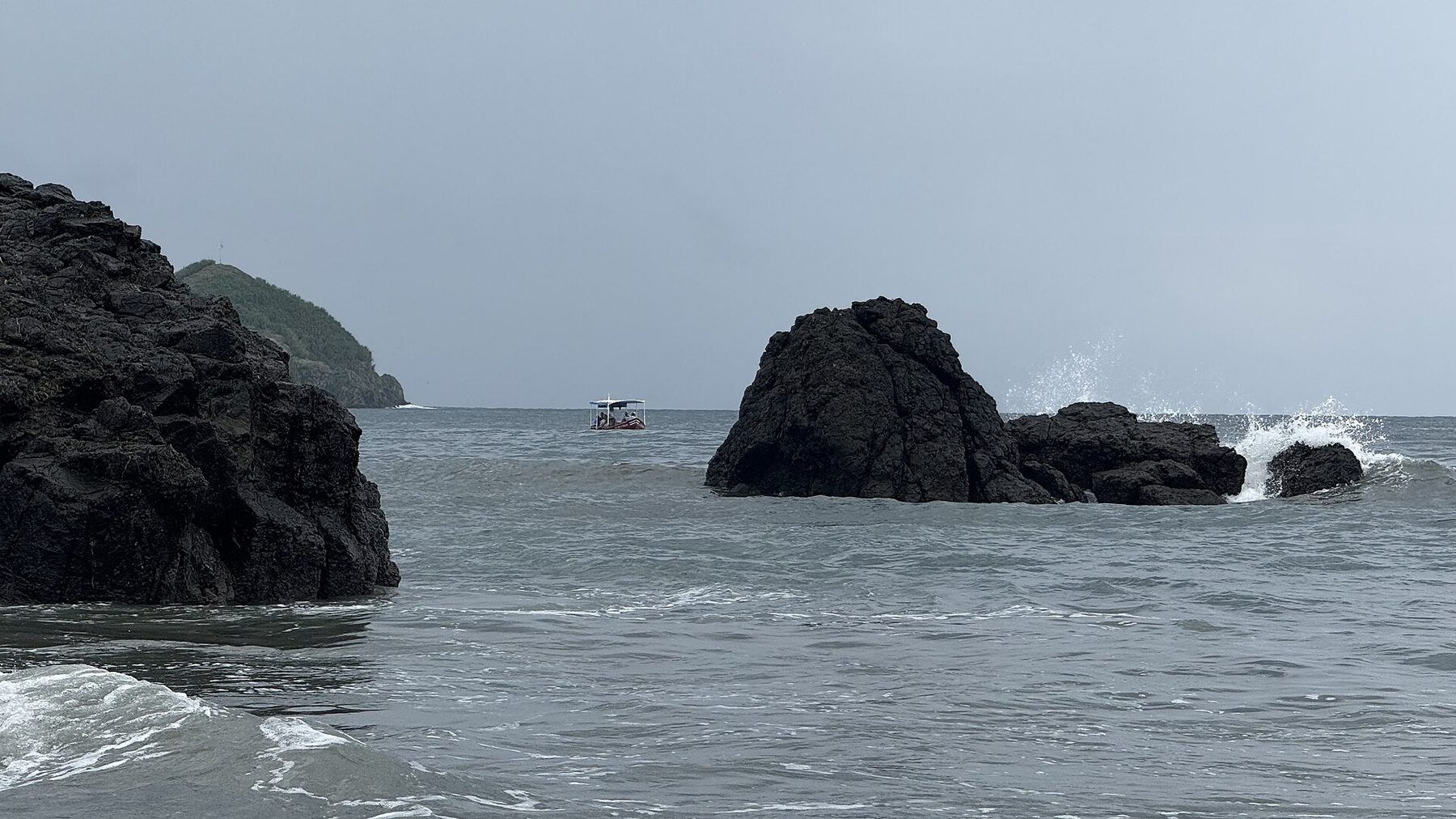
On the Pacific coast in September the morning is yours and the afternoon belongs to the sky. Rain through the green season falls heaviest after lunch, and September and October are the wettest weeks of it. 4 So the park gate early, the boat mid-morning, lunch in Quepos, and somewhere dry by two. A Standard Room at Tulemar, which takes two guests and sleeps four, costs USD 345 a night. In Easter week the same room costs USD 585. 3
That trade is the whole question. This page answers it with the dates Costa Rica's national weather service publishes, one resort's live rate table, the nesting calendar of Tortuguero's turtles, and the rainfall record of two cities on opposite sides of the mountains.
One thing to fix before anything else: there is no single Costa Rican season. The Pacific side has a dated wet season and a dated dry one. The Central Valley swings harder than either coast. The Caribbean stays wet all year and peaks in December, the month the Pacific finishes drying out. 2, 5, 6
When is Costa Rica's rainy season?
The Instituto Meteorológico Nacional dates the season from daily rainfall covering 1991 to 2020, using an 80mm-a-month threshold held for at least three months in a row.
The weather service publishes a start and an end for five rainfall regions, and the five differ by weeks. 2 The Central Valley around San José turns wet between 29 April and 8 May. The Pacífico Central region, which covers Quepos, Manuel Antonio and Jacó, follows between 2 and 10 May. The northern lowlands around Arenal wait until 11 to 13 May. 2
The far end spreads wider. San José dries out between 8 and 23 November, the Pacífico Central coast between 6 and 23 November, and the northern lowlands hold their rain until 3 to 7 December. 2 Book a La Fortuna leg for late November and you are still inside the wet season there while the coast four hours away has left it.
| Rainfall region | Stops on this route | Rain begins | Rain ends |
|---|---|---|---|
| Valle Central | San José | 29 April - 8 May | 8 - 23 November |
| Pacífico Central | Jacó, Quepos, Manuel Antonio | 2 - 10 May | 6 - 23 November |
| Zona Norte Occidental | La Fortuna and Arenal (regional figure) | 11 - 13 May | 3 - 7 December |
| Caribe Norte, Reventazón, Talamanca, Sur | Limón, Tortuguero, Puerto Viejo | no dated season | no dated season |
IMN dates a season only for the climate regions that show a wet-and-dry regime. Its published table holds five regions, all Pacific or Central Valley; the four Caribbean regions named on the same document's own map appear nowhere in it. The northern lowlands row is the aggregated regional figure, and the document's map shows San Carlos and Guatuso as separate subregions.
Month by month across the four stops
Read the weather-service dates literally and the year takes three shapes, one per side of the mountains and one for the valley in between. The table below turns those dates into months for the four stops a fortnight usually strings together, with Limón standing in for the Caribbean coast. 2, 5
| Month | San José | Manuel Antonio and Jacó | La Fortuna and Arenal | Limón and the Caribbean |
|---|---|---|---|---|
| January | Dry | Dry | Dry | Wet |
| February | Dry | Dry | Dry | Wet |
| March | Dry | Dry | Dry | Wet |
| April | Dry, turning from 29 April | Dry | Dry | Wet |
| May | Wet by 8 May | Wet by 10 May | Wet by 13 May | Wet |
| June | Wet | Wet | Wet | Wet |
| July | Wet | Wet | Wet | Wet |
| August | Wet | Wet | Wet | Wet |
| September | Wet | Wet, the wettest weeks | Wet | Wet, the driest month at about 140mm |
| October | Wet | Wet, the wettest weeks | Wet | Wet |
| November | Dry by 23 November | Dry by 23 November | Wet | Wet |
| December | Dry | Dry | Dry from 3 - 7 December | Wettest month at about 450mm |
Dry and wet here mean the side of IMN's own dated boundary each month falls on, not a forecast. The wettest-weeks note for the Pacific coast comes from a travel guide's April 2026 seasonal breakdown, which matches IMN's regional dates. Limón's monthly figures come from a climate table citing IMN's 1941-2012 precipitation series.
- Late April is the last of the cheap dry weather. The Central Valley turns between 29 April and 8 May and the Pacific coast between 2 and 10 May, so the opening days of May often still read as dry on the coast. 2
- 16 November to 19 December is the overlap worth hunting. Pacific rain ends by 23 November, and Tulemar's rate in that window is USD 385, against USD 570 from 20 December. 2, 3
- Early December belongs to Arenal's rain and Limón's peak. The northern lowlands stay wet to 3 or 7 December, and December is the wettest month Limón gets. 2, 5 The Arenal leg sits at the edge of Guatuso, Maleku territory between the volcano and the Nicaraguan border. 8
- A September fortnight wants a Caribbean weighting. That month is the Pacific's wettest and Limón's driest, and it sits inside Tortuguero's nesting season. 4, 5, 7
What do green season discounts actually save?
One Manuel Antonio resort publishes a full seasonal rate table. It is the clearest price signal on this coast, and the arithmetic below runs entirely on it.
Tulemar Resort prices its rooms in six dated windows, and the gap between the cheapest and the dearest is the green season's whole argument. A Standard Room costs USD 345 a night from 1 May to 15 November 2026. The same room costs USD 570 from 20 December to 2 January and USD 585 from 20 March to 3 April 2027. 3
In percentages: the holiday window runs 65.2% above the green-season rate and Easter week 69.6% above it. Same Standard Room, same two-guest rate, same four-person capacity. 3
| Season window | Standard Room, USD a night | Casa de las Flores, USD a night |
|---|---|---|
| 1 May - 15 November 2026 (green) | 345 | 750 |
| 16 November - 19 December 2026 | 385 | 830 |
| 20 December 2026 - 2 January 2027 | 570 | 1,445 |
| 3 January - 19 March 2027 | 395 | 855 |
| 20 March - 3 April 2027 (Easter) | 585 | 1,490 |
| 4 - 30 April 2027 | 395 | 855 |
Rates exclude 13% VAT and a 4.5% resort fee, 17.5% together. A Standard Room at USD 345 bills at USD 405.38 a night; at the USD 585 Easter rate it bills at USD 687.38. The Standard Room rate includes 2 guests and sleeps up to 4; Casa de las Flores includes 4 and sleeps up to 5. A balcony is a different category: the Bungalow with Balcony starts at USD 435 in the same green-season window, USD 90 more a night. Half the total falls due at booking as a non-refundable deposit, in every season.
Table view: One room at Tulemar, six prices
| Item | Value (USD) |
|---|---|
| 1 May - 15 Nov (green) | $345 |
| 16 Nov - 19 Dec | $385 |
| 20 Dec - 2 Jan | $570 |
| 3 Jan - 19 Mar | $395 |
| 20 Mar - 3 Apr (Easter) | $585 |
| 4 - 30 Apr | $395 |
The green-season rate holds for six and a half months of the year and sets the floor. Easter week costs 69.6% more for the same room, the New Year window 65.2% more. Source: 3
Bigger units swing harder still. Casa de las Flores, which sleeps up to five, starts at USD 750 a night in green season and reaches USD 1,490 in Easter week. That is 98.7% more, so the peak rate is very close to double. 3
Tulemar publishes; most of its neighbors send you to a booking widget. Arenal Observatory Lodge, Si Como No and Hotel Belmar in Monteverde all describe their rooms in detail and then ask for your dates before showing a price. Write to each with two date ranges, one in green season and one in March, and compare the two quotes side by side. MMT's Costa Rica trip cost page prices the rest of the fortnight.
Which coast should you be on in September?
September is the wettest stretch of the Pacific year and the driest month Limón gets. 4, 5 Once you know that, a green-season fortnight stops being a gamble and becomes a routing decision.
Limón has no consistently dry season. Its driest month, September, averages about 140mm of rain, its wettest, December, about 450mm, and the year comes to nearly 3,600mm. 5 San José swings far harder: 6.3mm in its driest month against 355.1mm in its wettest, a 56-fold gap, while average temperatures there barely move across the year. 6
Table view: Two rainfall calendars, one country
| Item | Driest month (mm) | Wettest month (mm) |
|---|---|---|
| San José | 6.30 mm | 355.10 mm |
| Limón | 140 mm | 450 mm |
San José's wettest month brings 56 times the rain of its driest. Limón's brings about three times as much, and even Limón's driest month carries 22 times the rain of San José's driest. Source: 6, 5
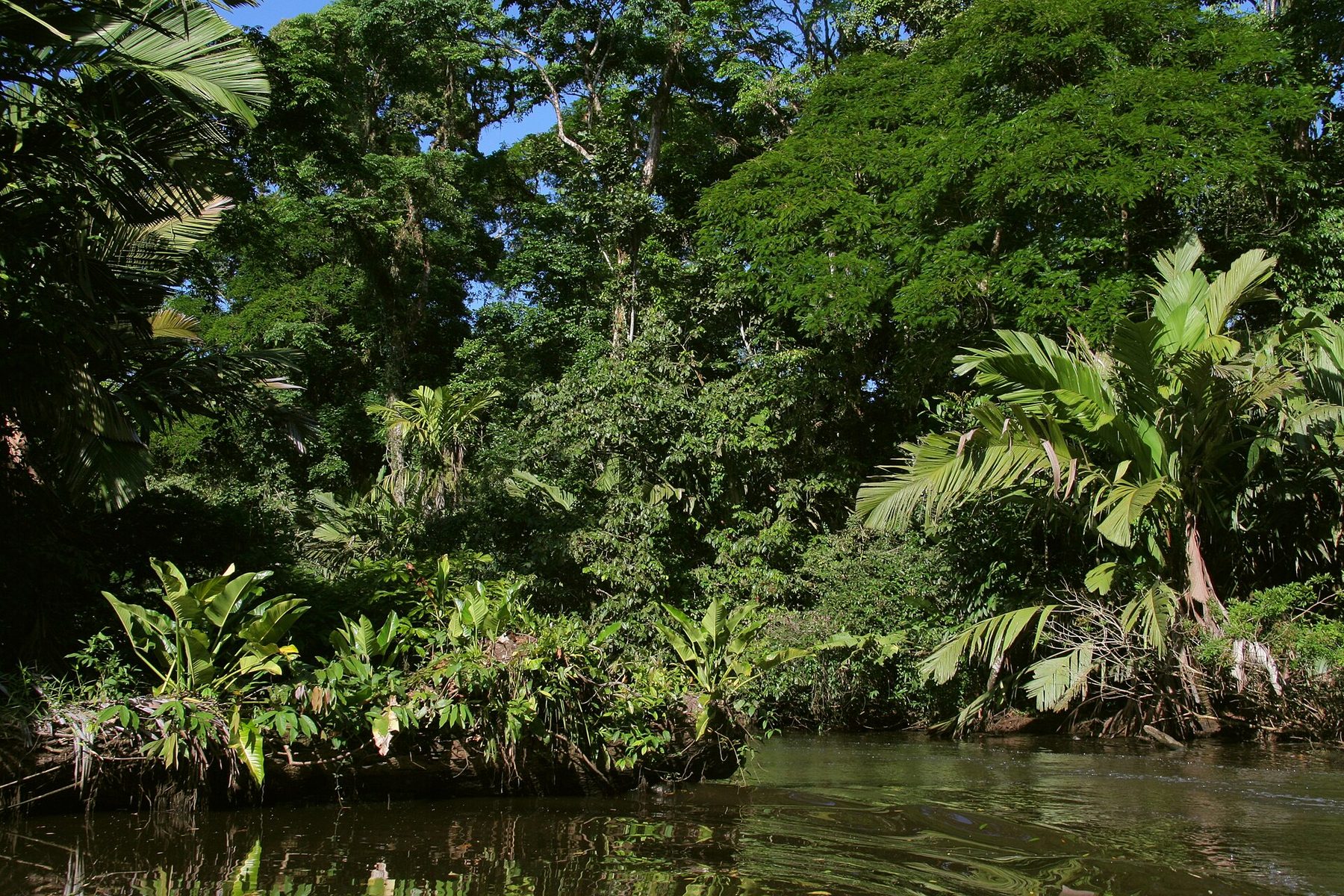
Green season is also turtle season. The Sea Turtle Conservancy, which runs the long-running tagging program at Tortuguero, dates green turtle nesting from June through November each year and schedules its own volunteer research seasons June through October. 7 The months the rest of the country marks down are the months the beach fills up with turtles.
So a September fortnight has an obvious shape. Weight the beach days toward the Caribbean and keep the forest days inland. The southern Caribbean coast is Talamanca, Bribri and Cabécar territory, where the residents' own ecotourism association, ATEC, books guides and tours. 9, 10 MMT's two-week Costa Rica itinerary runs the Pacific version of that route.
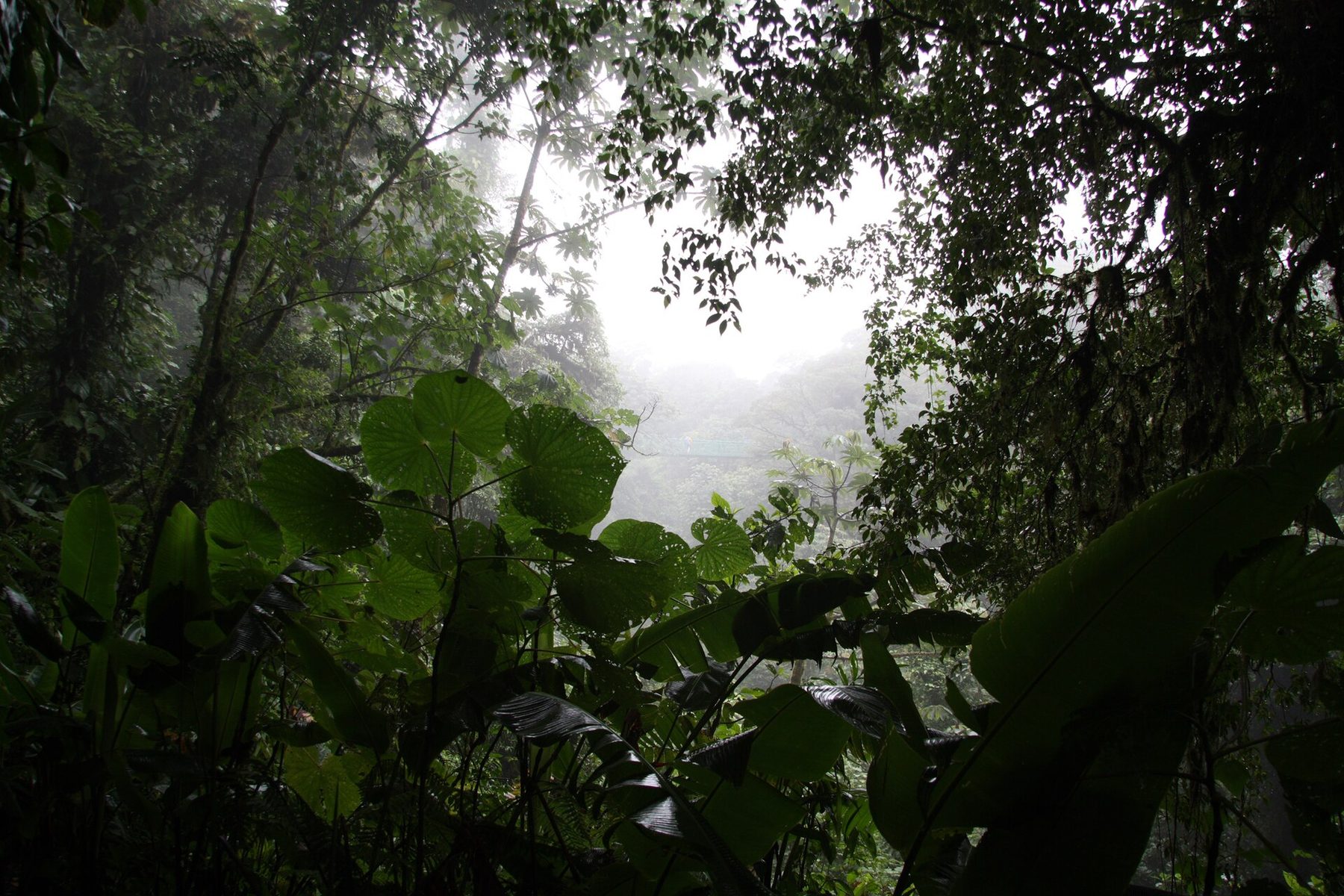
Monteverde keeps its cloud all year
The Preserve sits on the Continental Divide, where rain landing on one side runs to the Pacific and on the other to the Caribbean. Average temperatures hold between 14C and 22C, and the Preserve's own site calls that a gentle equilibrium that a two-degree change can collapse. 1
Mist does the work the rain gets credit for. Up to 40% of the water this forest captures arrives as horizontal rain, on days with no rainfall at all, and the forest takes in up to 3,000mm of water a year. 1
| Measure | Monteverde |
|---|---|
| Elevation | About 1,400m |
| Mean annual temperature | 18C |
| Temperature range at the Preserve | 14C to 22C |
| Annual precipitation | About 3,000mm |
| Humidity | 74% to 97% |
Elevation, mean temperature, precipitation and humidity come from a climate summary citing Nadkarni (2000). The 14C to 22C range is the Preserve's own published figure for the reserve itself, which sits above the town.
March feels much like September up there. Pack for cool and damp either way; the one-bag tropics packing list has the layers.
That makes Monteverde the strongest green-season stop on any Costa Rican route. The thing you came to see is a cloud, and the cloud keeps its own hours.
Hurricane season, stated plainly
Both basins around Costa Rica run an official hurricane season through most of the green season. An average Atlantic season over the 1991 to 2020 period brings 14 named storms, 7 hurricanes and 3 major hurricanes, with the first named storm usually forming in mid to late June. 12
| Basin | Official season |
|---|---|
| Atlantic | 1 June - 30 November |
| Eastern Pacific | 15 May - 30 November |
The eastern Pacific basin runs from Mexico and Central America west to 140W. The storm averages above are the Atlantic figures for the 1991-2020 climate period; an average eastern Pacific season over the same period brings 15 named storms, 8 hurricanes and 4 major hurricanes.
Those weeks line up almost exactly with the Pacific coast's own rainy season and with the moisture that lifts Limón's totals. 2, 5 The practical version for a traveler: read the forecast in the week before you fly, and put the long drives early in the day. Then ask what a cancellation actually costs, because the answer is rarely nothing.
The Maleku in Guatuso, the Bribri and Cabécar in Talamanca
The Arenal leg sits at the edge of Guatuso, where the Maleku hold their territory and run their own affairs. About six hundred Maleku lived in the three palenques, Tonjibe, Margarita and El Sol, in rainforest between the volcano and the Nicaraguan border, when Cultural Survival counted them in 2013. 8
They farm, paint wooden masks and jícara gourd bowls, replant forest and host visitors at the palenques, and the Association for the Development of the Indigenous Maleku Territory is their own organization. 8
Land is the live question, and the Maleku are the ones pressing it. Cultural Survival reported that on 10 December 2012 community members entered a privately held estate inside the Guatuso Reserve, asserting their claim under Article 3 of Costa Rica's 1977 Indigenous law. Maleku families hold about fifteen percent of the territory the state recognised as theirs. 8
That account is more than a decade old. Ask the Association where the claim stands now before repeating it.
On the Caribbean side, Talamanca's visitor economy belongs to the people who built it. The Bribri and the Cabécar are two Nations with their own languages and their own territories across Talamanca. The Cabécar are the larger, near 17,000 people at the 2011 census, and speak a Chibchan-family language. 9
ATEC, the Talamanqueña Association of Ecotourism and Conservation, was formed by Talamanca residents in 1990 and has 80 members in the canton. Its first training program prepared sixteen community members as nature guides for the region, and it states that 70% of the price of every tour booked through it reaches the local guides or the projects visitors see. 10
Ask any operator what share of the price reaches the community and the guide. ATEC publishes 70%. Use that as the number to compare against.
How do you plan a green season fortnight?
Five decisions carry the whole plan, and four of them happen before you pay anyone. Dates first, quotes second. The daily rhythm decides how much of the rain you actually meet.
Ask every hotel for two dated quotes
Request one green-season range and one March range in the same email. Tulemar shows the shape of the answer: USD 345 against USD 585 for one Standard Room. A property that quotes only one range has told you something too. 3
Count the tax before you compare
Costa Rican resort billing adds real money. Tulemar's 13% VAT and 4.5% fee turn USD 345 into USD 405.38 a night and USD 585 into USD 687.38. Compare the billed numbers. 3
Build the day around the morning
Green-season rain on the Pacific lands heaviest in the afternoon. Park gates and boat trips go before lunch. Hot springs and a long lunch go after. 4
Read the deposit terms before you pick dates
Tulemar's seven-night minimum applies to Christmas and New Year only, so it does not bind green-season dates. The deposit does not soften with the season. Tulemar takes 50% non-refundable at booking in every window, and states that cancellations for weather disruptions, flight cancellations or force majeure are not exempt. 3
For a longer stay, the season stops mattering and the paperwork starts. MMT's Costa Rica digital nomad requirements covers the income evidence and insurance, and the rest of the country sits in Costa Rica guides and field notes.
Frequently asked questions
When is the best time to visit Costa Rica?
It depends which side of the mountains you want: the Central Valley and Pacific coast run dry from late November to late April, the northern lowlands hold their rain into early December, and Limón stays wet all year. 2, 5 The month-by-month table above breaks down all four stops together.
Is Costa Rica in September worth it?
A Caribbean-weighted September fortnight leans on Tortuguero and the southern Caribbean coast for the beach days, keeps Monteverde and the La Fortuna and Arenal leg for the cloud forest and the volcano, and trims the Manuel Antonio and Jacó stretch to the days the route actually needs. 4, 5, 7 That trade pays off twice: September is the Pacific's wettest stretch and Limón's driest month, and it sits inside Tortuguero's turtle-nesting season.
Is the green season the same thing as the rainy season?
Not quite, and the difference costs money. Costa Rica's weather service dates a climatological rainy season region by region: for the Pacífico Central coast it runs from 2 to 10 May until 6 to 23 November. 2 Green season is the travel trade's narrower term for June through October, with May and November treated as shoulder months. 4 Rate calendars follow neither exactly. Tulemar's cheapest window is 1 May to 15 November. 3
Does it rain all day in the green season?
Not literally. On the Pacific coast the sky usually holds through the morning and the rain arrives after lunch, heaviest in September and October. 4 Plan the park gate, the boat and the long drive for the morning, and put the hot spring or the beach bar in the afternoon instead of fighting the rain for it.
Can you cancel a green season booking if the weather turns?
At Tulemar, no. Its published terms take a 50% non-refundable deposit at booking, the balance 60 days out, and full payment up front if you book inside 60 days. Christmas and New Year reservations are paid in full 180 days ahead. All payments are non-refundable, and the resort states that weather disruptions, flight cancellations and force majeure are not exempt; it recommends trip-cancellation insurance for that reason. 3
What do the turtle months actually get you at Tortuguero?
Tortuguero's black sand beach draws the largest nesting population of green turtles in the Atlantic, and nesting runs June through November. 7 The Sea Turtle Conservancy's Eco-Volunteer sessions run June through October in one, two and three week blocks, with 2027 dates published from 26 June. They are scientific research projects rather than guided tours: nightly beach patrols and morning nest surveys. 7
How long can a US passport holder stay?
Costa Rica's November 2025 entry directive places the United States in Group I, which allows entry without a visa and a stay of up to 180 calendar days. The passport needs one day of validity at entry, and those 180 days cannot be extended, unless the officer at the border granted less than 90 days in the first place. 13 That covers the entire green season with months to spare; for a longer stay, MMT's Costa Rica digital nomad requirements has the income and insurance evidence.
Sources & review date
Researched 2026-09-28. Prepared from primary sources, with a separate independent source review. Numbered notes in the text point to the sources below. Prices, entry rules and schedules change; use the linked authority for your dates.
- 1The cloud forest: mist, the Continental Divide and the water the forest captures Monteverde Cloud Forest Preserve, Tropical Science Center · Accessed 2026-09-25 · Primary source
- 2Estimación de fechas del inicio y conclusión de la época lluviosa (Cuadro 1, regional start and end dates, 1991-2020) Instituto Meteorológico Nacional, Ministerio de Ambiente y Energía, Costa Rica · Accessed 2026-09-25 · Primary source
- 3Tulemar Resort rates, deposits and payment terms, 2026-2027 Tulemar Resort, Manuel Antonio · Accessed 2026-09-28 · Primary source
- 4Manuel Antonio National Park: dry, shoulder and green seasons Earth Trekkers · Accessed 2026-09-25
- 5Limón, Costa Rica: climate Wikipedia climate table, citing Instituto Meteorológico Nacional precipitation series 1941-2012 · Accessed 2026-09-28
- 6San José, Costa Rica: climate Wikipedia climate table, citing NOAA and Deutscher Wetterdienst normals · Accessed 2026-09-25
- 7Green turtles in Tortuguero Sea Turtle Conservancy · Accessed 2026-09-28 · Primary source
- 8Life, health, purity and survival: the Maleku of Costa Rica struggle to regain lost lands Cultural Survival · Accessed 2026-09-28
- 9Cabécar people: language, territory and population (2011 census) Wikipedia, citing INEC census data and Stone (1962) · Accessed 2026-09-28
- 10About ATEC Asociación Talamanqueña de Ecoturismo y Conservación · Accessed 2026-09-28 · Primary source
- 11Monteverde, Costa Rica: elevation, temperature and precipitation Wikipedia, citing Nadkarni (2000) · Accessed 2026-09-25
- 12Tropical cyclone climatology National Hurricane Center, NOAA · Accessed 2026-09-25 · Primary source
- 13Costa Rica actualiza requisitos de ingreso: Grupo I, 180 días de permanencia El Financiero (Costa Rica) · Accessed 2026-09-25