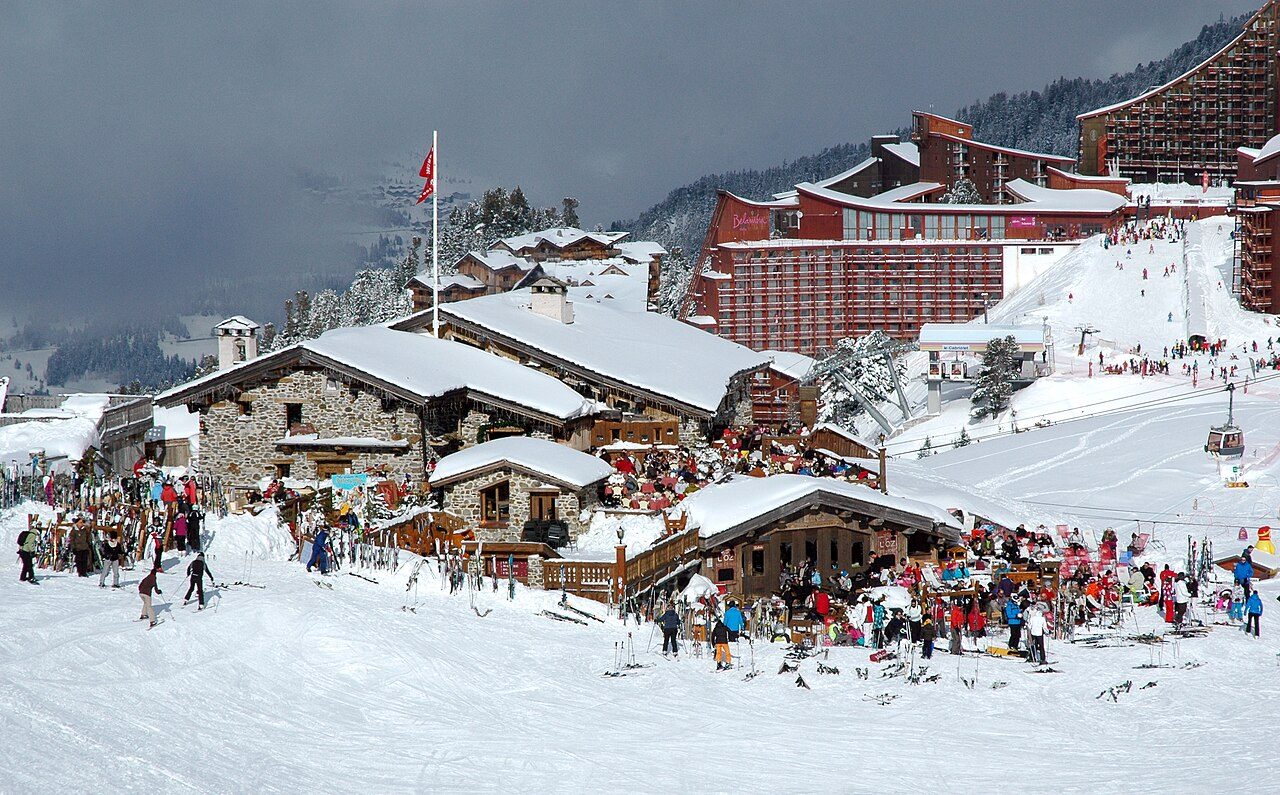
Choose the base before the pass
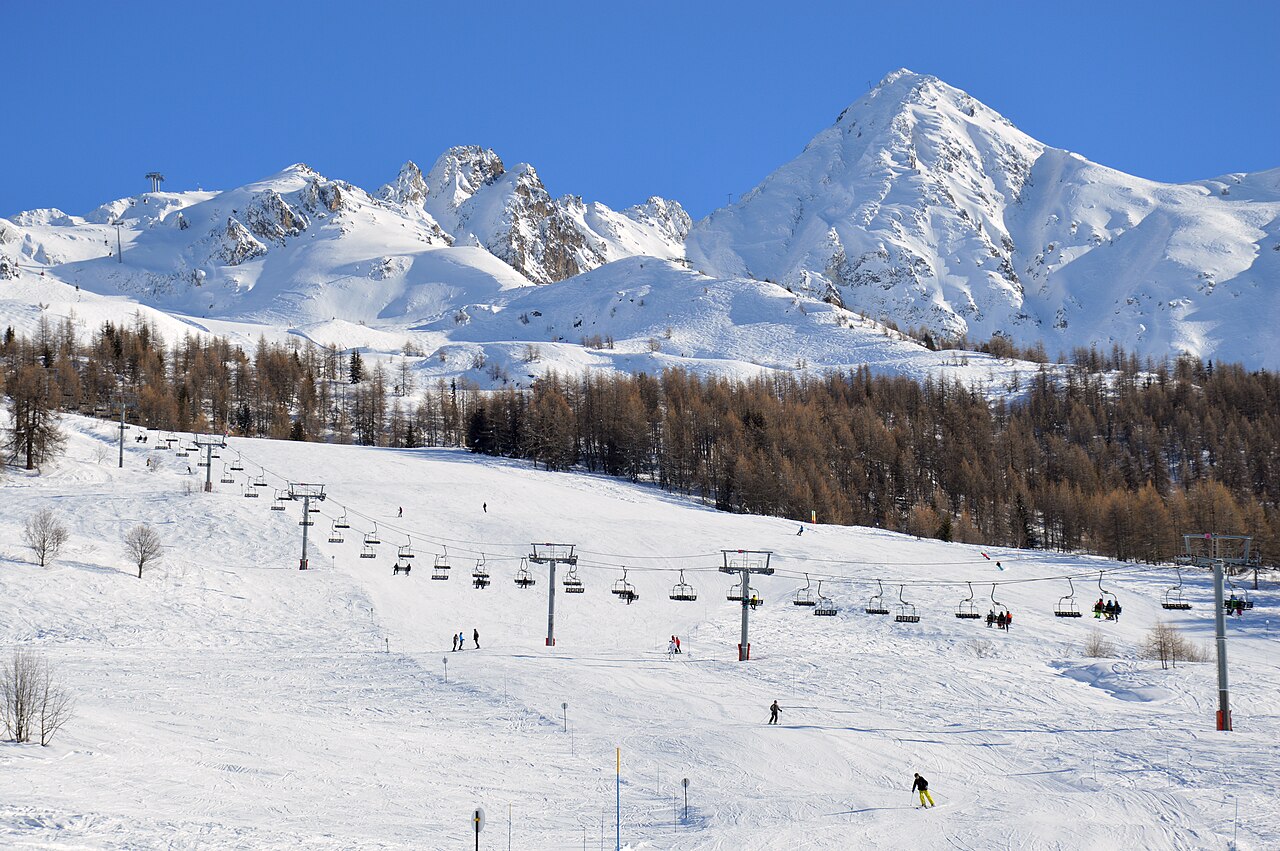
Start with where you will sleep and how the morning works. Can you reach the lifts in the way you prefer, carrying the equipment you will have? What happens when someone in the group wants a slower start or a day off? A resort map and an accommodation map need to be read together. Being in the same valley does not establish that a room is convenient for your chosen mountain.
Write down the practical day: breakfast, equipment, journey to the mountain, return and dinner. Then compare two bases using that routine. A lower room rate may be worthwhile if the transfer suits you; a more expensive location may buy back hours you value. The useful question is what the whole day costs in money and time.
Three starting points for a ski shortlist
Japan. JNTO distinguishes Hokkaido destinations such as Niseko from areas on Honshu, including Hakuba. It describes a general December-to-April season, with actual operation depending on the resort. Begin by comparing the travel chain and the layout of the area you are considering. Do not assume a collection of nearby resorts is one connected ski area. JNTO: skiing in Japan.
Austria. Austria’s tourism authority provides a starting point for ski regions and winter activities beyond downhill skiing. This is useful when a group wants different kinds of days: compare the base as a place to stay, including what non-skiers would do, rather than choosing solely by the largest terrain claim. Confirm local transport and lift arrangements with the relevant operator. Austria Tourism: skiing and winter.
Aotearoa New Zealand. Tourism New Zealand’s winter material points to regions including Queenstown and Mackenzie and a June-to-October winter travel window. That creates a different calendar option for travellers accustomed to northern-hemisphere skiing. Establish the specific ski area’s intended operating dates and your daily mountain transport before turning a seasonal idea into a paid booking. Tourism New Zealand: winter destinations.
Count ski days honestly
An arrival day belongs in the trip budget even when it contains no skiing. So does a departure morning spent packing and reaching the airport. Mark those first, then add the days you actually expect to ski. Include rest, work commitments and the preferences of the people travelling with you. This produces a useful denominator for cost per ski day instead of an optimistic holiday-length calculation.
Keep planned opening dates separate from a promise of conditions. Ask what your accommodation, pass and transport bookings allow if plans change. A flexible booking can be worth more than a small discount when a trip depends on a narrow window. Compare the actual terms rather than assuming that “winter” means every part of the itinerary will operate.
A pass is a set of conditions
Begin with the mountains and dates you are likely to use. For each pass or ticket, record the included access, date restrictions and any reservation requirement stated by the operator. Add the refund or change terms. A headline price cannot tell you whether the product covers the days you want, and a large collection of partner resorts adds little value if you will only visit one.
For a simple break-even comparison, divide the pass price by the realistic daily-ticket price for your dates. Treat the answer as a first screen. Then check whether every intended day is eligible and whether buying ahead changes either price. Do the calculation before sunk costs or the appeal of a familiar brand begin to dictate the trip.
Include the equipment and instruction
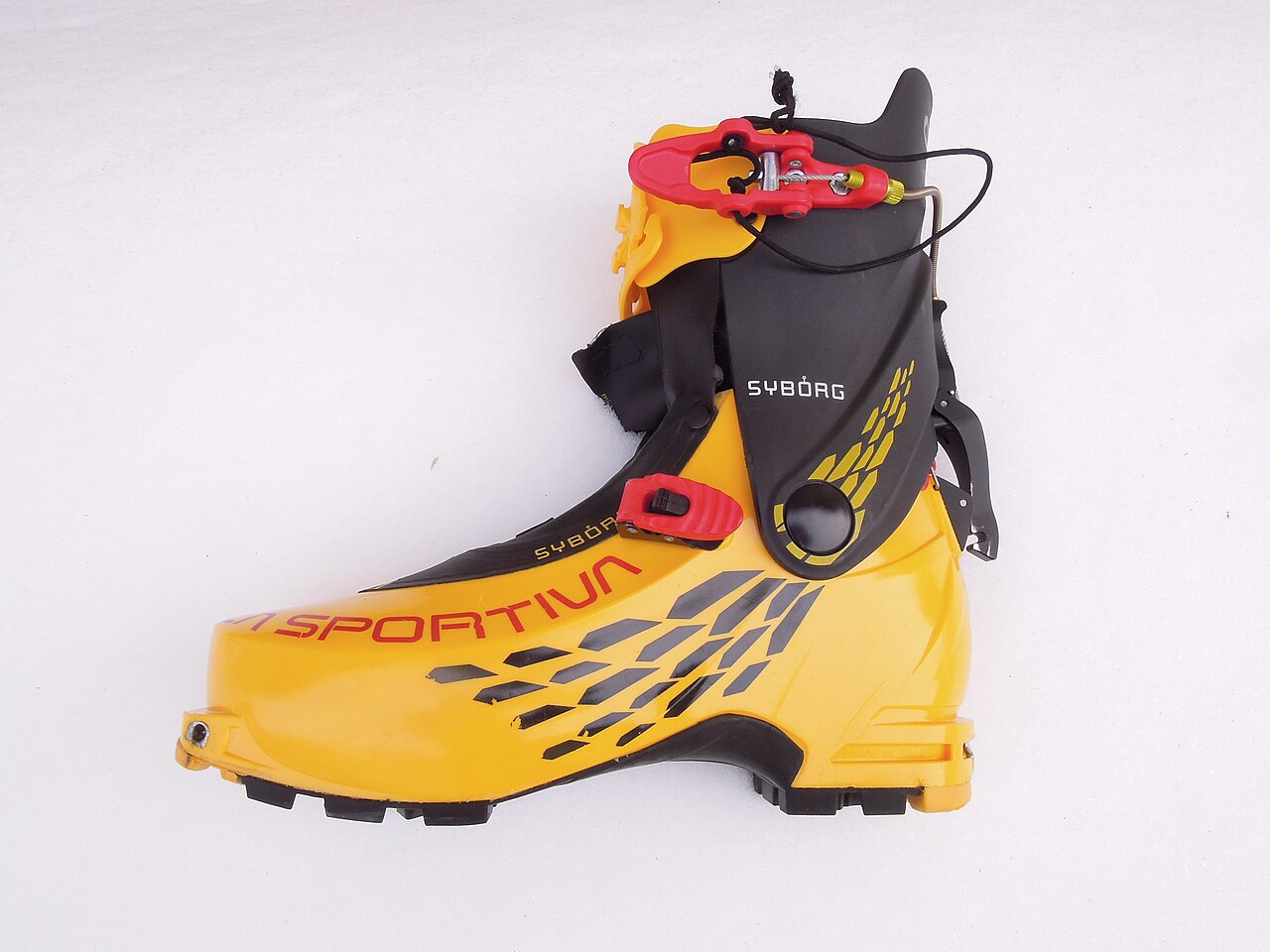
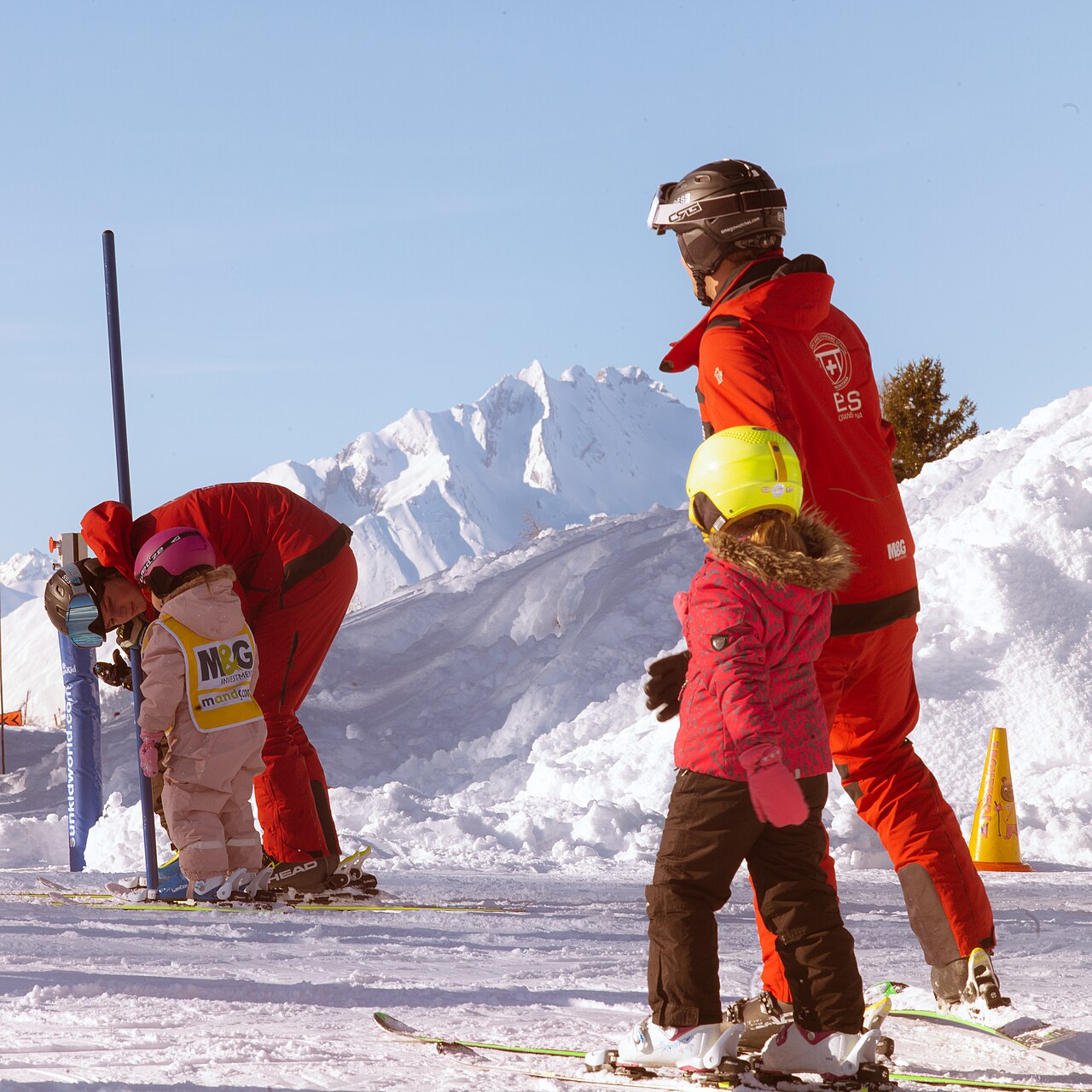
Compare rental with bringing equipment you already own, including baggage and ground transport for the latter. For rental, establish what the package contains, the fitting arrangements and what happens if equipment needs changing. Keep instruction in its own budget line when you intend to use it. A lower trip total that quietly removes something essential to your experience is not a like-for-like comparison.
For mixed-ability groups, discuss meeting points and the kinds of terrain each person wants to use before booking the same product for everyone. The best shared holiday may include separate parts of the day. Price that arrangement honestly, including lessons or different access where appropriate, instead of assuming everybody needs to follow the most ambitious itinerary.
Treat access and conditions as part of the plan
Recreation.gov’s winter-planning guidance stresses researching the destination, staying within appropriate areas and keeping alternatives for changing conditions. Use the ski area’s current operational information and the relevant local authorities for your trip. If your plan includes terrain outside managed slopes, obtain appropriate training and qualified local guidance; a resort holiday checklist does not cover that activity. Recreation.gov: winter trip planning.
Check your route to the accommodation as well as the route to the mountain. Establish the winter requirements for any vehicle you intend to use and what a transport booking includes. Keep a fallback for a delayed arrival or an interrupted connection. It is much easier to choose sensibly when the alternative is already a workable plan rather than an expensive surprise.
Calculate the season you will actually live
Separate fixed spending from daily costs. Travel, a pass and equipment purchases belong in one group; accommodation, food and recurring local transport belong in another. Record which expenses are shared and which are per person. Add a contingency you can actually fund. The MMT ski-season budget guide works through the calculation using labelled illustrative numbers.
Finally, compare the total against expected ski days and against the time you have available. An extra week can spread a fixed pass or flight cost, but it still needs accommodation and a reason to be there. A shorter trip can be the better choice if its base is easier and its days are genuinely free. Buy the plan that fits your winter, then leave enough room to enjoy the days you came for.
Planning sources
Reviewed 11 September 2026. These official resources support the destination and planning facts above. MMT’s comparisons and budget methods are editorial analysis; they do not represent trips personally taken or verified operator recommendations.