Choose a walking rhythm
Begin with the kind of week you want. A single base lets you leave most belongings behind and choose a different walk each morning. A moving route gives the journey a continuous shape, but accommodation and onward transport become part of each day’s plan. Neither is automatically more adventurous. The useful distinction is how much flexibility you want once the trip begins.
Write down the hours you want to spend walking, the elevation change you are comfortable with and how much you want to carry. Consider the least experienced person in the group when comparing options. A trail’s distance is only one part of the decision; read the route description and conditions before deciding that a familiar number of kilometres represents a familiar effort.
Start with a route, not a ranking
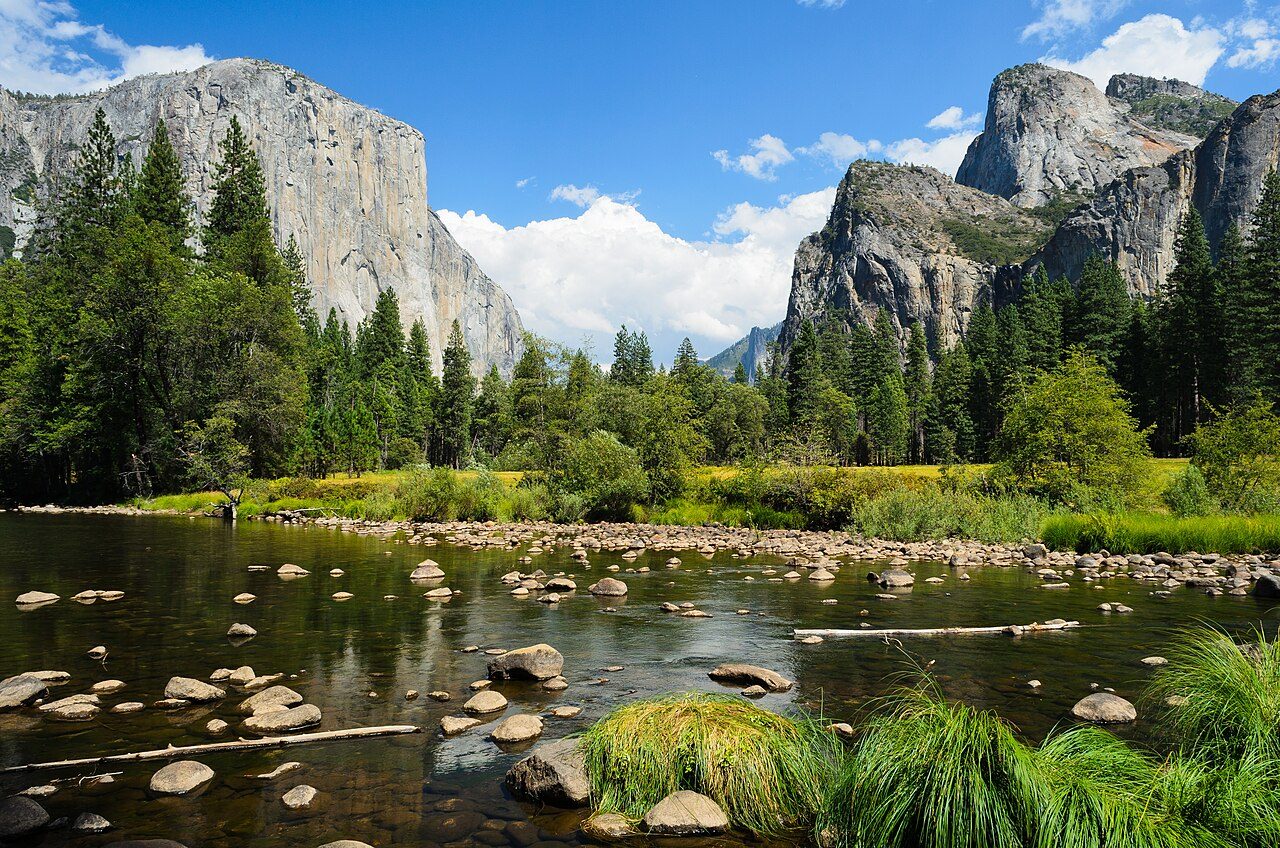
Yosemite and the Sierra Nevada. Elevation changes the available walking. NPS describes spring conditions at lower elevations alongside lingering snow higher up. Research the exact area you intend to walk and keep the park’s current conditions beside the seasonal description. For an early planning exercise, compare a valley-based itinerary with a high-country itinerary rather than mixing them into one assumed season. NPS: Yosemite seasons.
Great Smoky Mountains. The official park map provides the roads, trails, distances and backcountry facilities needed to begin a walking plan. Use it to compare outings from one base and understand whether an attractive route returns to the place you parked. A few thoughtfully grouped walks may give you more time outside than changing accommodation every night. NPS: Great Smoky Mountains maps.
New Zealand’s Great Walks. DOC’s Great Walks pages are the appropriate starting point for route descriptions and planning. Accommodation and booking arrangements need checking for the specific walk and season; use the official booking resources rather than assuming every hut operates on the same basis. Choose the walking experience, then confirm that the overnight sequence is possible. New Zealand DOC: Great Walks. New Zealand DOC: online bookings.
Read the season at trail level
A country’s peak visitor season is too broad to determine whether a particular route fits your plan. Find the land manager’s information for the route, its access road and any overnight facility. Keep a record of what remains uncertain and when you need to check again. This makes a tentative idea useful without pretending it is a confirmed itinerary.
Build an alternative day with a different constraint. If your first choice depends on high-country access, another high trail may not be much of a fallback. Consider a shorter outing from the same base or a non-walking day you would enjoy. The point is to preserve a good trip when the preferred route is unavailable, without putting pressure on anyone to continue in unsuitable conditions.
Draw the whole journey
Put your arrival point, first night, trail start, trail finish and final night on the same map. For a one-way walk, establish how you leave the end before committing to the start. Verify transfer times against the current operator schedule and allow time for the group’s actual pace. A beautiful route can be a poor fit for a trip if reaching it consumes most of the available time.
For a multi-day itinerary, read the accommodation descriptions carefully. Establish what the overnight stop supplies and what you carry, along with food arrangements, arrival rules and cancellation terms. Keep the distinction between an accommodation booking and any separate activity permission visible in your notes. If a link in the overnight sequence is unavailable, redraw the route before purchasing dependent travel.
Prepare for the route you chose
The National Park Service organises its Ten Essentials guidance around practical systems, including navigation, lighting, first aid, food, water and emergency shelter. Use the source as a starting point, then adapt preparation to the route with advice from its land manager. NPS also recommends telling someone where you are going and when you expect to return. NPS: the Ten Essentials.
Check equipment before departure rather than discovering a missing part at the trailhead. Try the pack with the load you intend to carry. Make sure the group understands the route and how it would change the plan if someone cannot continue. MMT’s budget can help you afford the outing; route-specific preparation determines whether it is an appropriate outing to undertake. NPS: hiking safety.
Give every day a cost
A walking budget begins before the first step on the trail. Include the nights needed to reach the start, the transfers that connect the route, and the night you may need after finishing. Add accommodation or permitted camping costs for the walk itself, food and the equipment you actually need to obtain. Use current quotes and distinguish necessary spending from upgrades.
Calculate the whole trip first. Then divide by expected walking days to compare two alternatives on the same basis. For a group, separate genuinely shared costs from per-person charges: a room or vehicle may be shared, but a bed, permit or meal may not be. Ask everyone to agree on that split before deposits are paid so an apparently inexpensive itinerary does not depend on an unspoken subsidy.
Leave enough room to enjoy it
Consider what you gain by staying one more night in the same place. You might replace a transfer day with another walk, revisit a shorter route or take a proper rest. Price the added day on its own before assuming that a longer trip is proportionately more expensive. Conversely, if time is fixed, removing one distant stop may make the remaining days feel less hurried.
Use the MMT hiking budget guide to turn the proposed route into a clear estimate. Keep the current conditions source alongside that estimate, and check again before departure. The completed plan should make it easy to choose a shorter day when you want one, without feeling that you are falling behind an itinerary built for someone else.
Planning sources
Reviewed 11 September 2026. These official resources support the destination and planning facts above. MMT’s comparisons and budget methods are editorial analysis; they do not represent trips personally taken or verified operator recommendations.