Choose the shape of the trip
A dive holiday has two schedules: the travel itinerary and the diving itinerary. They need to fit together. Start by deciding whether diving is the main reason for the trip or one activity among several. A dedicated week can justify a different base and equipment plan from a beach holiday with a couple of supervised outings. Travelling companions who do not dive also need a place they will enjoy during your time away.
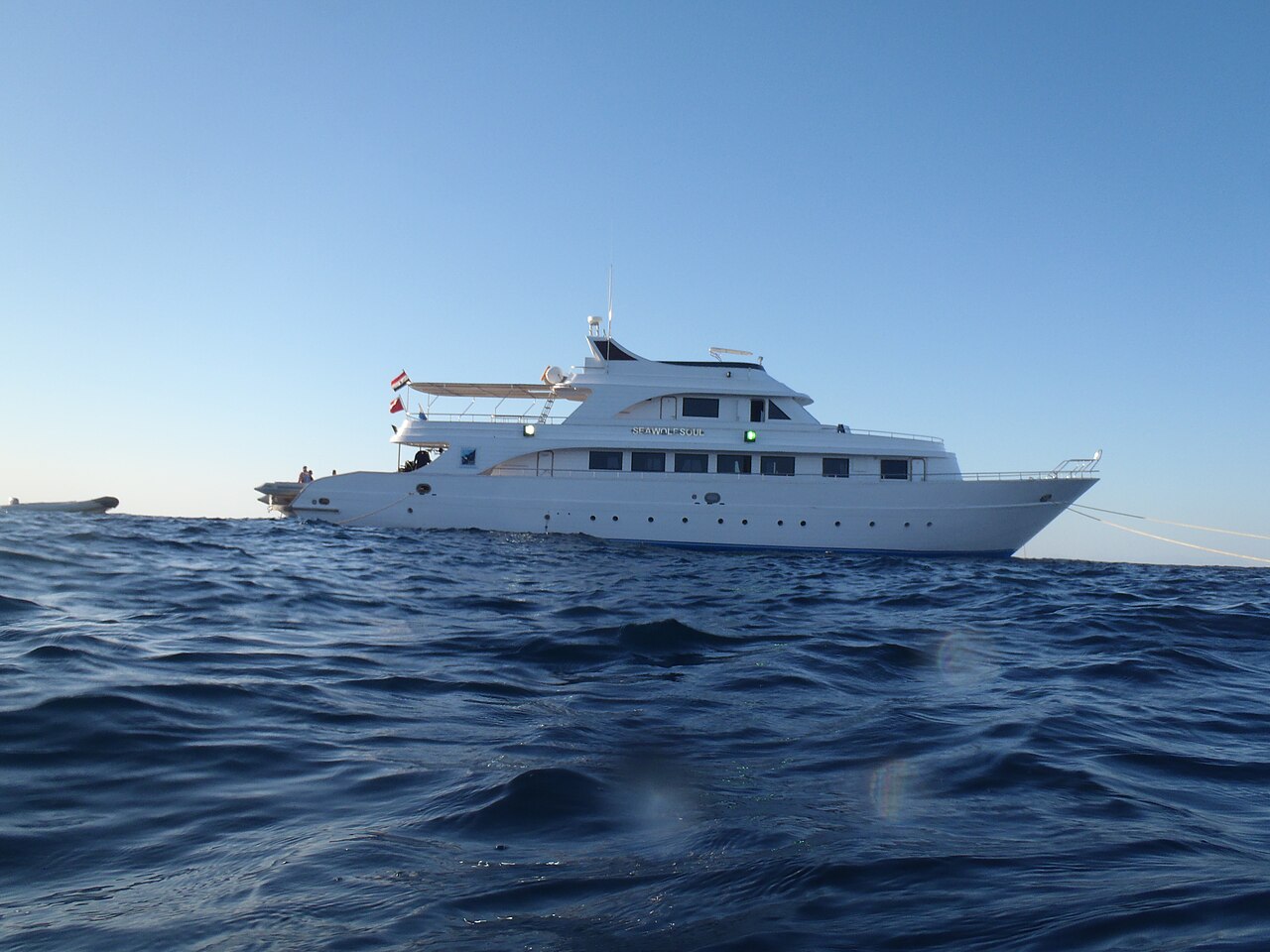
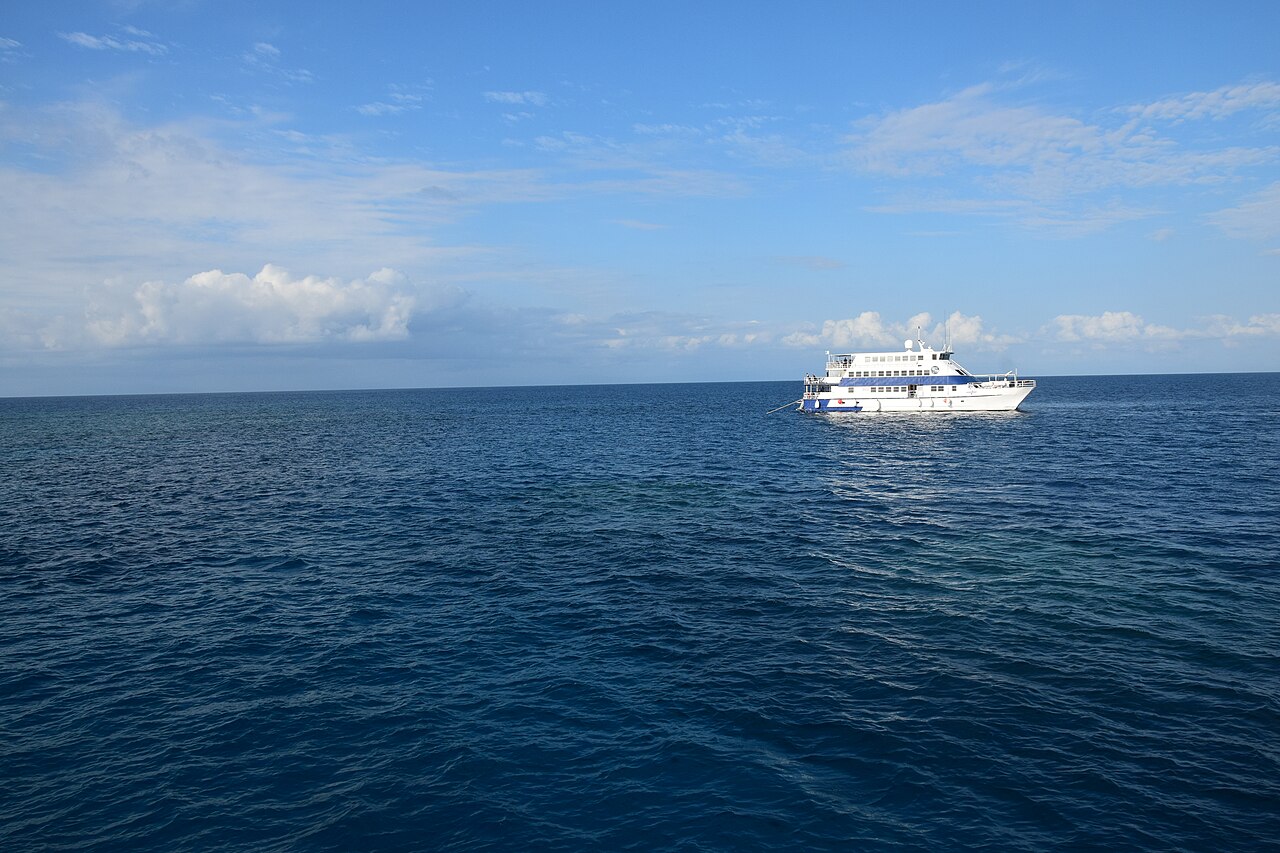
Compare three arrangements: staying near a dive centre with day trips, choosing a base around shore access, or joining a liveaboard. Treat these as different products. Ask what is included, how sites are selected, what experience is expected and what happens when a planned outing cannot run. The price per advertised dive only becomes useful after you understand what you are buying.
Three places to begin the research
Egypt’s Red Sea. Egypt’s tourism authority lists Hurghada, Al Gouna, Soma Bay and Marsa Alam among its Red Sea destinations. Use those names to begin comparing bases. For MMT’s purposes, the useful questions concern your particular operator: time from accommodation to departure, how much of the day is spent aboard, and which sites suit your current experience. A destination’s reputation does not make every excursion appropriate. Experience Egypt: the Red Sea.
Raja Ampat, Indonesia. Indonesia’s tourism authority presents Raja Ampat as a diving destination. Before choosing it, build the transport chain all the way to the accommodation or vessel you intend to book. Ask about transfers, arrival cutoffs and what a missed connection means for the booking. Remote-island appeal belongs beside a concrete arrival plan and a realistic account of the days available. Indonesia Tourism: diving Raja Ampat.
Biscayne, United States. Biscayne offers a different starting point for a water-focused plan near Miami, with islands and reefs protected within the national park. Read the park information first, then establish how the specific activity operates. Compare the whole day, including departure location and land transport, rather than assuming that proximity on a map means an effortless outing. NPS: Biscayne National Park.
Give the dive schedule room
Build the calendar backward from the flight home and discuss the final diving day with the operator. DAN explains that reduced pressure during a flight after diving increases decompression stress and publishes guidance that varies with the diving undertaken. Read that guidance with your instructor or dive professional; a booking calendar is not a substitute for an appropriate dive plan. DAN: flying after diving.
Allow for arrival administration, equipment fitting and any preparation the operator requires. Keep some days flexible so a changed boat schedule does not immediately collide with a non-refundable excursion. When comparing destinations, ask about the expected conditions for your actual dates, seasonal operating patterns and the cancellation policy. No annual description of a destination can promise conditions on the day you enter the water.
Match the booking to your experience
Send the operator an honest account of your certification, recent dives and comfort level before paying a deposit. Ask which planned activities require additional training or experience and whether a refresher would be appropriate. DAN’s return-to-diving resources give returning divers a starting point for preparation. Any personal fitness-to-dive question belongs with an appropriately qualified medical professional. DAN: returning to diving.
Ask for the practical details that a glossy package page can omit: the supervision offered, the equipment supplied, how the group is organised and what support is available if someone decides not to dive. Good value should include a plan that fits the people travelling. You do not owe an itinerary your participation simply because you paid for it.
Compare complete trip costs
Create a column for each alternative using the same number of travellers and nights. Include travel to the base, accommodation, meals and the dive package. Then list rental equipment, local transport, any compulsory charges quoted by the operator, and suitable insurance after checking the policy terms. Mark unknown costs as questions, rather than entering zero and letting a spreadsheet conceal the gap.
Separate equipment purchases from this trip’s operating costs. Buying something you expect to use for years creates a different cash outlay from renting it for a week. Show both the amount you need to pay now and any longer-term allocation you use for comparison. Do not make ownership look cheaper by assuming a future number of dives you have no plan to complete.
Read the package before ranking it
A package may describe a number of dives, nights, boat departures or diving days. Those are different units. Record exactly what happens if weather changes the schedule, if you miss an outing or if the itinerary changes after departure. Ask whether unused elements are refunded, credited or simply forfeited. Compare the answers in writing before treating two prices as equivalent.
Keep an independent daily-living estimate even when a package includes meals or accommodation. You may still have costs on arrival and departure days, or during time before and after the package. Count those nights explicitly. A low package price can coexist with a high trip total without either number being dishonest; they describe different parts of the holiday.
Make the final comparison useful
Write one sentence for each option describing the experience it buys. One might offer an uncomplicated routine from a single base; another may offer a moving itinerary with less control over the daily schedule. Put that sentence beside the full cost and the time commitment. It helps you decide whether a difference in price buys something you actually value.
Use the MMT dive-budget guide to calculate cost per expected dive without disguising travel costs. Keep the final count realistic and label it as a planning assumption. Leave a little space in the trip for being above water, too: the people you travel with, a quiet afternoon, and enough time to go home without racing the clock.
Planning sources
Reviewed 11 September 2026. These official resources support the destination and planning facts above. MMT’s comparisons and budget methods are editorial analysis; they do not represent trips personally taken or verified operator recommendations.